

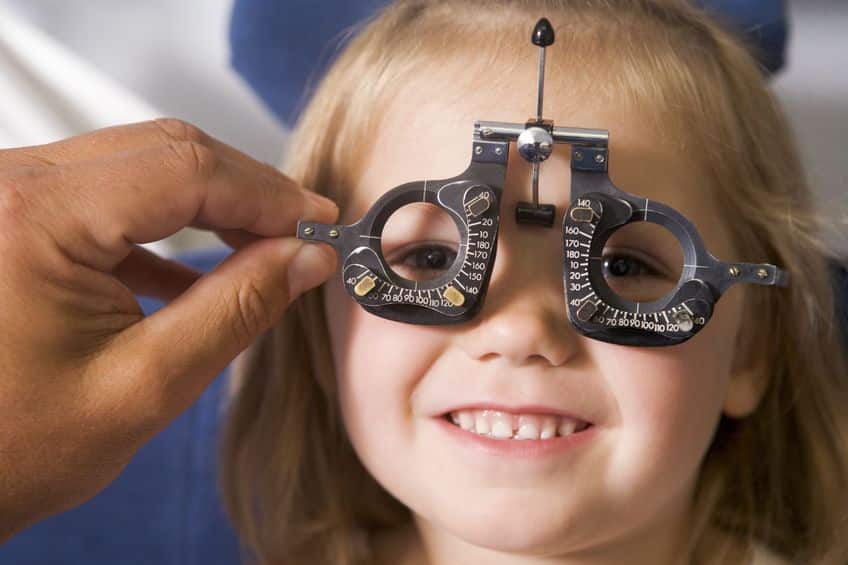
Regular paediatric eye exams are crucial for your child’s overall health and development. According to the American Optometric Association (AOA), children should get their first eye examination between ages three and five to ensure their vision is healthy and developing properly.
An eye doctor in Dubai explains that paediatric eye exams are crucial for preventing long-term vision problems. These tests also give a clear picture of the child’s proper eye-hand coordination and depth perception, which are essential for their academic, sports and daily activities.
Overall, paediatric eye exams help protect your child’s visual health, which is vital for their optimal growth and learning potential.
Preparing Your Child for Their First Paediatric Eye Exam
During a paediatric eye exam, the specialist will have your child undergo different tests to detect issues such as refractive errors, amblyopia or lazy eye, and strabismus. To complete the full range of tests, the doctor will use various equipment and tools and will also give your little one instructions to follow.
The unfamiliar equipment, tools, setting and special instructions may make your child feel uneasy, so they may become uncooperative during their first paediatric eye test. However, preparing your child for their first consultation with an ophthalmologist and paediatric eye exam can help them and the specialist have a positive experience. With a smooth and successful visit, the doctor can obtain accurate results and provide precise diagnoses.
If you want to prepare your child thoroughly for their first paediatric eye exam, follow these tips:
1. Speak with your child about their upcoming eye test.
To lessen your child’s worries, talk to them about their visit to the eye clinic several days before their consultation. Read about or ask the ophthalmologist about the steps involved in the exam and share these with your little one using words they can understand.
Make sure you explain to your child why undergoing an eye exam is crucial for their health. Additionally, encourage them to ask any questions they may have regarding the exam and assure them that they won’t feel any pain during the procedures.
You can also use books and videos and engage in role-playing games with your child to help them have a clear picture of what will happen during their first paediatric eye exam.
2. Be prepared for the consultation.
Your child may not be able to express themself fully or answer some questions the ophthalmologist will ask. Because of this, you also need to prepare yourself for your little one’s visit to the eye clinic.
Prepare your child’s medical history or personal health record and bring it during your appointment. Take note of any eye- or vision-related issues you observe, such as frequent squinting or poor eye-hand coordination, and share these with the ophthalmologist.
Ask your child about any eye-related pain or discomfort they feel and if they sometimes experience blurry vision or difficulties seeing. Share these concerns with the specialist.
3. Use positive reinforcement.
Since it’s your child’s first visit to an eye clinic and paediatric eye exam, offer them a reward so they can have something to look forward to afterwards, perhaps their favourite edible treat or a trip to a theme park. Follow through with this promise to avoid disappointing them and having difficulties bringing them to the ophthalmologist on their next visit.
Before and during your visit to the eye specialist, praise your child for their bravery. This can help them lower their anxiety and be more cooperative during the eye exam.
When your child can associate positive experiences with the eye exam, you can help them feel more at ease and be more comfortable during their subsequent visits to the ophthalmologist.
4. Make the visit to the eye clinic fun.
On the day of your child’s exam, bring a few items that can make your child feel comfortable during their visit to the eye clinic.
Pack your little one’s favourite stuffed toy or blanket so they have something familiar to help them feel comfortable during the exam. You can also bring one or two books so they have something to read while waiting for their turn.
You can also play games with your child in the waiting area before their eye test. Doing so can help them relax and reduce any anxieties they may feel.
5. Stay with your child throughout the different procedures.
Since it’s your child’s first time to see an ophthalmologist and undergo an eye exam, the specialist will likely allow you to stay with them throughout your appointment.
Sit beside your little one and hold their hand, if possible, especially when you notice them starting to feel nervous.
Remember to stay calm since this can help your child feel comfortable and secure. Continuously provide words of reassurance to boost their confidence and courage.
Bringing your child to their first paediatric eye exam can be a daunting task. However, you can make this process stress-free and productive when you prepare them well for this experience.
