

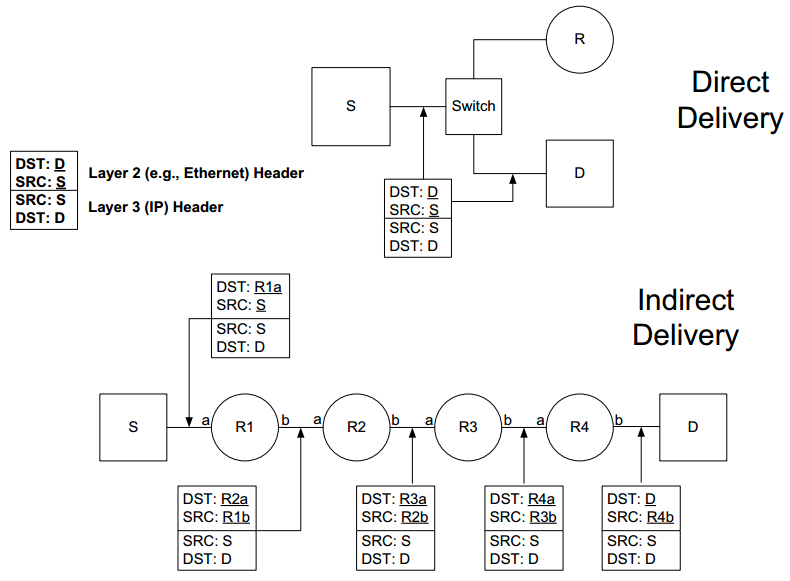
The IP header is a critical part of every data packet transmitted over the internet. It contains essential information that enables the packet to reach its intended destination while maintaining the integrity and security of the data. Without this structure, reliable and efficient data transmission would be impossible, as devices would not know where to send or how to manage the data. Understanding the ip header format is key to optimizing network performance and ensuring data flows smoothly across different networks.The IP header’s role in directing data packets cannot be understated. It controls routing, prioritization, and even error checking, making it an essential factor in maintaining network performance and security. Learning more about the specific fields of the IP header can offer deep insights into how data transmission is managed across networks.
What Are the Key Fields of an IP Header?
The IP header is composed of several key fields that each play a specific role in the transmission of data packets. These fields ensure the packet is delivered accurately and efficiently.
Source and Destination IP Addresses
The source and destination IP addresses are perhaps the most important fields in the IP header. These fields specify where the data packet is coming from and where it needs to go. The source address identifies the sending device, while the destination address directs the packet to the receiving device. This ensures proper routing of the packet through the network. The IP address fields allow devices across different networks to communicate seamlessly, regardless of their geographical location. Without these addresses, data packets would be unable to reach their destinations, resulting in failed communications.
Version, Header Length, and Type of Service
The version field in the IP header specifies whether the packet is using IPv4 or IPv6. This distinction is important because IPv4 and IPv6 use different address schemes, and routers must handle each accordingly. The header length indicates the size of the header itself, helping network devices allocate enough space for the packet. The Type of Service (ToS) field allows for prioritization of packets based on their importance. For example, real-time communication like video calls may require faster transmission than a regular email. The inclusion of these fields enables more efficient and structured data transmission.
Time to Live (TTL) and Protocol
The Time to Live (TTL) field is essential for preventing packets from circulating indefinitely in the network. TTL specifies how long the packet can exist in the network before being discarded. This prevents network congestion and ensures that packets are either delivered quickly or removed. The protocol field specifies which protocol—such as TCP or UDP—should be used to process the packet. Each protocol has different purposes; for instance, TCP is often used for reliable data transmission, while UDP is used when speed is more important than accuracy. These fields contribute to both the efficiency and safety of data transmission across networks.
How Do IP Header Fields Impact Data Packet Routing?
Data packet routing is one of the most crucial aspects of network communication, and the IP header plays a significant role in this process.
Fragmentation and Reassembly
The fragmentation and reassembly fields of the IP header are important when transmitting large data packets. If a packet is too large to pass through certain routers, it must be broken into smaller fragments. The fragmentation field tells routers how to divide the packet, while the reassembly field helps the destination device piece it back together. Without these fields, large packets could either be dropped or delayed, affecting the overall efficiency of the network. Properly handling fragmented packets ensures that large amounts of data can be transmitted seamlessly, even across networks with varying capabilities.
Differentiated Services and Prioritization
The Differentiated Services field, often referred to as DSCP, allows for packet prioritization based on the type of data being transmitted. Some data, such as video or voice communication, requires faster transmission to avoid delays or interruptions. This field ensures that high-priority packets receive the necessary bandwidth and speed. Differentiated Services ensures that critical data gets through even during times of high network congestion, improving the user experience. It plays an important role in network management, especially in cases where multiple data types are competing for bandwidth.
Header Checksum and Error Detection
The Header Checksum field ensures data integrity by verifying that the header information has not been corrupted during transmission. It performs a mathematical check on the header’s contents and compares it with the received value. If there is a mismatch, the packet is discarded, and the data must be resent. This mechanism is vital for error detection and correction, ensuring that corrupted data packets do not affect overall communication. The checksum guarantees that packets are intact when they arrive at their destination, which is essential for maintaining the accuracy and reliability of data transmission across networks.
What Role Does the IP Header Play in Ensuring Data Integrity?
The IP header is central to maintaining the integrity of data as it moves through the network.
Handling Corruption and Error Checking
Corruption in data transmission is a common issue that can severely affect communication. The IP header’s checksum field is critical in detecting errors that may have occurred during transmission. When a packet is sent, the checksum value is calculated based on the header contents. Upon arrival, the receiving device recalculates the checksum and compares it with the original. If there is a discrepancy, it means the packet was altered in transit, and it is discarded. This process ensures that only accurate data is passed along the network, preventing corruption from spreading.
Ensuring Data Packet Order and Reliability
Ensuring that data packets arrive in the correct order is essential for maintaining communication integrity. The IP header plays a significant role in this process through its sequencing information. When multiple packets are sent, they may arrive out of order due to routing differences. The header fields allow the receiving device to reorder the packets correctly, ensuring that the data stream remains intact. This feature is particularly important for protocols like TCP, where maintaining the correct order of packets is vital for ensuring reliability in communication.
How Does the IP Header Affect Network Performance and Security?
The IP header not only influences the accuracy of data transmission but also impacts overall network performance and security.
Bandwidth Efficiency and Congestion Control
Bandwidth efficiency is crucial in network performance, and the IP header helps manage this by ensuring that packets are transmitted efficiently. Fields like the TTL and fragmentation fields help prevent congestion by controlling how long packets stay in the network and how large they can be. This ensures that network resources are used efficiently and that data flows smoothly without overwhelming the system. Without these controls, networks would suffer from slowdowns due to excessive traffic and inefficient packet handling.
Impact on Data Privacy and Security Protocols
The IP header also plays a role in data security by interacting with higher-level security protocols. Fields like the protocol and version fields allow security features such as IPsec to function properly. IPsec provides encryption and authentication to ensure that data is transmitted securely between devices. By controlling how data is handled at the network layer, the IP header ensures that packets are not only transmitted efficiently but also securely, protecting against unauthorized access and data breaches.
Conclusion
The structure of the IP header significantly affects how data is transmitted, routed, and secured over networks. Its various fields work together to ensure that packets are delivered accurately, efficiently, and securely. From ensuring the integrity of data through error checking to optimizing bandwidth usage and enhancing security protocols, the IP header plays an essential role in modern networking. Understanding the ip header format is crucial for network administrators and anyone looking to optimize their network’s performance and security.
