

If you live in an area where hard water is prevalent, using water softeners can help you curb the effects of hard water use on your cooking, fixtures, and appliances. Rich in minerals, hard water leaves white, crusty deposits on your faucets, or makes your soap lather less. If you plan on installing a water softener, how do you know which one is right for your home? This guide will walk you through the different types of water softener systems and the benefits each offers, helping you make an informed decision.
Salt-Based Water Softeners: The Classic Choice
Salt-based water softeners are perhaps the most well-known and widely used systems. These systems operate on a straightforward principle: they use salt to replace the calcium and magnesium ions in your water with sodium ions. This ion exchange process effectively softens the water, preventing scale buildup in your pipes and appliances.
Experts agree that the enduring popularity of salt-based water softeners stems from their undeniable effectiveness. If you have particularly hard water, this type of system is likely to be the most reliable in preventing scale and prolonging the life of your plumbing.
Salt-Free Water Softeners: A Low-Maintenance Alternative
Salt-free water softeners have gained popularity as an alternative to traditional systems. Unlike their salt-based counterparts, these systems don’t remove the minerals from the water. Instead, they use a process known as template-assisted crystallization (TAC) to change the chemical structure of the minerals so they don’t adhere to surfaces.
In addition to understanding the various water softener systems, it’s crucial to consider the broader implications of water treatment on the environment. As we strive for more sustainable living, exploring innovative wastewater solutions becomes essential. These solutions not only enhance water quality but also contribute to resource conservation and environmental protection. By integrating advanced technologies, we can effectively manage water resources and reduce our ecological footprint. For those interested in delving deeper into these sustainable practices, explore wastewater solutions here to discover how they can complement your water softening efforts. This holistic approach ensures that we are not only improving water quality in our homes but also safeguarding our planet for future generations.
One of the standout benefits of salt-free systems is the lack of maintenance. Without the need to add salt or regenerate the system, you can enjoy softer water with minimal upkeep. Additionally, because these systems don’t add anything to the water, they’re considered more environmentally friendly and are often favored by those who want to reduce their sodium intake.
Although salt-free water softeners reduce scale buildup as a water filtration system, they may not be as effective as salt-based systems in areas with extremely hard water. If your water has a high concentration of calcium and magnesium, you might still experience some scale buildup, although it will be less severe than without a softener.
Dual-Tank Water Softeners: The Powerhouse System
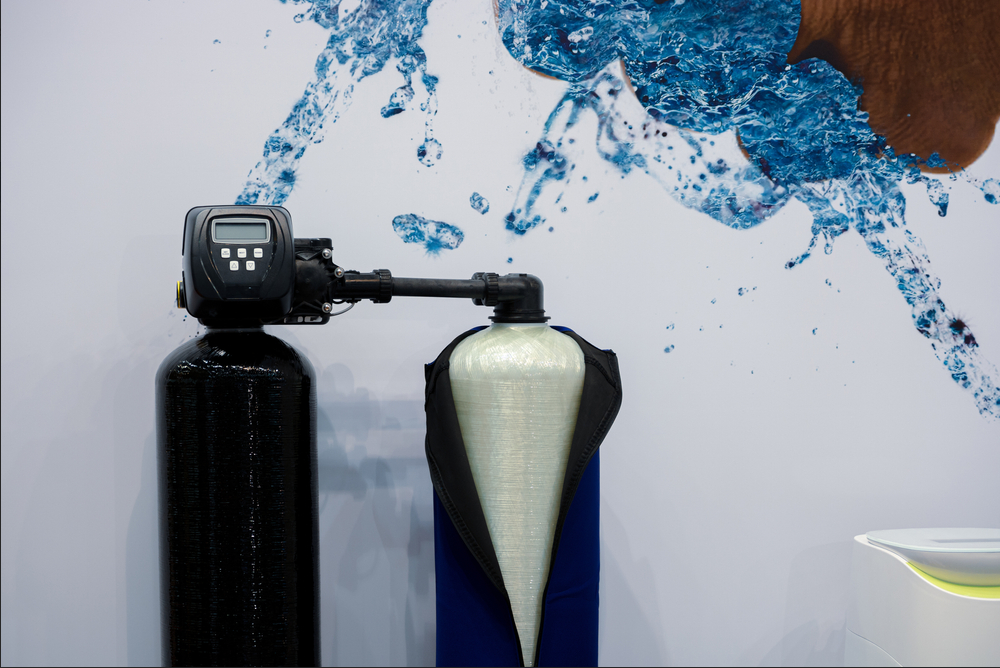
For households with high water demand, a dual-tank water softener might be the best choice. These systems are essentially two water softeners in one. While one tank is regenerating, the other continues to soften your water, ensuring that you never run out of softened water.
The primary benefit of a dual-tank system is its capacity to handle large volumes of water without interruption. This makes it ideal for large families or homes with significant water usage. Moreover, because the system regenerates less frequently than a single-tank model, it can be more efficient, saving you money on salt and water.
Magnetic Water Softeners: A Controversial Option
Magnetic water softeners are a relatively new technology and have sparked debate among homeowners and professionals alike. These systems use magnetic fields to alter the behavior of minerals in the water, reducing their ability to form scale.
If you’re looking for a low-cost, low-maintenance water purification system and are willing to experiment, a magnetic water softener could be worth a try. However, if you need a proven solution, you might be better off choosing a more traditional system.
Reverse Osmosis Systems: Purification at Its Best
While not a traditional water softener, reverse osmosis systems deserve a mention for their ability to provide exceptionally pure water. RO systems work by forcing water through a semipermeable membrane, removing not only hard water minerals but also a wide range of contaminants, including lead, chlorine, and fluoride.
The benefits of an RO system extend beyond just softened water. You’ll enjoy cleaner, better-tasting water, and the removal of harmful contaminants can have health benefits as well. However, these systems are generally more expensive and require more maintenance than standard water softeners. They also tend to waste a significant amount of water during the filtration process, which can be a drawback in areas where water conservation is important.
If you’re concerned about water quality and are willing to invest in a more comprehensive solution, seek expert advice from water treatment services. Have them assess if an RO system can suit your needs.
Selecting the right water softener system depends on your specific needs, water quality, and personal preferences. Whether you opt for a salt-based system for maximum effectiveness, a salt-free system for low maintenance, or a dual-tank system for high-demand situations, the key is to consider what will work best for your household.
