

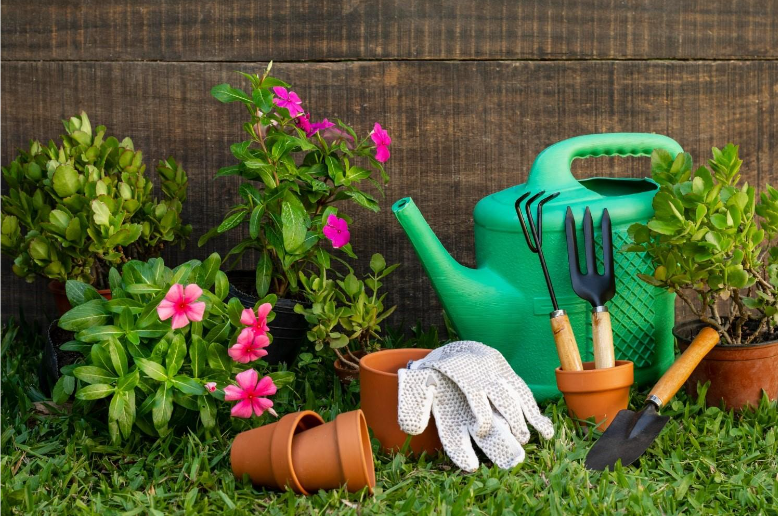
Keeping your garden tools clean is essential for maintaining a healthy garden and ensuring the longevity of your tools. Proper cleaning helps prevent rust, maintains sharpness, and prevents the spread of diseases, ultimately saving time and effort on long-term “garden maintenance.” In this guide, we’ll explore effective methods to clean, disinfect, and maintain your garden tools to keep them in top shape for every season.
Why Garden Tool Care Matters
Garden tools are often exposed to moisture, dirt, and plant sap, all of which can quickly degrade their performance. Neglecting to clean your tools can lead to rust buildup and blunt edges, reducing their efficiency and even introducing harmful pathogens into your soil. Tool care should be a routine part of garden maintenance to prevent rust and maintain both your tools’ longevity and the health of your garden.
Step 1: Gather Your Cleaning Supplies
You don’t need complex products to clean garden tools. Here’s a list of basic cleaning supplies:
- Mild soap or dishwashing liquid
- Stiff-bristled brush or wire brush
- Sandpaper or a metal file for sharpening edges
- Mineral oil or vegetable oil for rust prevention
- Rag or cloth
Having these items on hand makes regular cleaning simple and ensures you’re always prepared to clean up after a gardening session.
Step 2: Clean Off Dirt and Debris
The first step in garden tool care is to remove dirt and debris. Use a stiff brush to scrub off soil from shovels, hoes, and trowels. Soaking tools in a bucket of water helps loosen dried mud, especially on tools with crevices. Avoid using high-pressure water, as it can damage certain tool surfaces. For tools with hard-to-remove grime, a mild soap solution can help break down dirt and make the cleaning process easier.
Step 3: Remove Rust Buildup
Rust not only weakens tools but also makes them harder to use. Use sandpaper or a wire brush to gently scrub away any rust from metal surfaces. If the rust is severe, consider using a mixture of vinegar and baking soda for rust removal, soaking the tools for a few hours before scrubbing. For long-term rust prevention, apply a thin layer of mineral oil after removing rust, focusing on blade surfaces and joints. Regular oiling will protect metal surfaces from moisture, extending your tool’s life.
Step 4: Disinfect for Garden Hygiene
To avoid spreading soil-borne diseases, it’s essential to disinfect your tools, especially those that come into contact with plant material. A simple method is to use a solution of one part bleach to nine parts water, dipping the tools for a few minutes before rinsing thoroughly. Alternatively, you can use isopropyl alcohol for quick, effective disinfection. Regular disinfection is a great practice for garden hygiene and minimizes risks of disease transfer between plants.
Step 5: Sharpen Blades for Better Efficiency
Sharp blades make garden tasks easier, requiring less effort to prune, dig, or weed. Use a sharpening stone, metal file, or specialized sharpener to maintain the edges of tools like pruners, shears, and hoes. Sharpening is particularly important for pruning tools, as clean cuts heal better and reduce plant stress. Aim to sharpen your tools at least once a season to maintain peak performance.
Step 6: Store Tools Properly to Avoid Rust and Damage
Proper storage is the final step in garden tool maintenance. Store tools in a dry, sheltered location, ideally hanging them up to prevent moisture contact with the ground. If possible, keep your tools in a toolbox or storage cabinet to avoid exposure to damp air. Consider adding a few packets of silica gel or placing a container of charcoal in your toolbox to absorb moisture. Proper storage can dramatically reduce rust and prolong the lifespan of your tools.
Seasonal Deep Cleaning Tips
Beyond regular clean-ups, giving your tools a thorough cleaning at the end of each season can significantly improve their durability and effectiveness. For seasonal cleaning:
- Disassemble any parts that can be safely removed, such as handles from blades.
- Use an old toothbrush to scrub out small crevices and joints.
- Coat metal parts with oil and inspect wooden handles for splinters, sanding them if necessary.
Maintaining Wooden Handles
Wooden handles require special care to prevent splintering or rotting. Sand them down with fine-grit sandpaper to remove rough spots and then apply linseed oil to preserve the wood. This simple step adds to the tool’s longevity and provides a smoother grip for future use.
Quick Tips for Everyday Tool Care
In addition to these cleaning techniques, keep the following tips in mind for day-to-day garden maintenance:
- Rinse off dirt from tools after each use, even if a deep cleaning isn’t feasible.
- Dry tools thoroughly to prevent moisture buildup, which can lead to rust.
- Inspect your tools regularly for any signs of wear or damage.
Wrapping Up Your Tool Care Routine
A clean, well-maintained tool set makes gardening more enjoyable and efficient, enhancing your overall garden maintenance routine. By incorporating these cleaning techniques and rust-prevention practices, you ensure that your tools remain sharp, efficient, and ready to support a flourishing garden season after season.
