

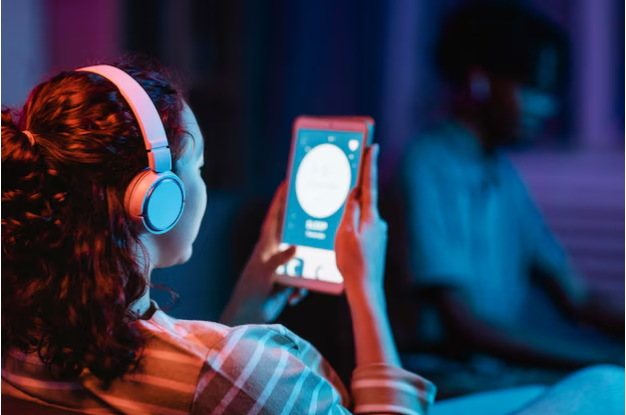
The digital age has brought transformative changes to the entertainment industry, with music and movies increasingly influencing and integrating. From soundtracks that drive cinematic storytelling to virtual concerts and interactive film experiences, the lines between music and movies have blurred in ways we never imagined before.
As we embrace digital innovations, these two forms of art have found new ways to collaborate, creating an exciting convergence that has captivated audiences around the globe.
In this article, we’ll explore how music and movies are merging in the digital era, highlighting key trends and examples of this exciting fusion.
The Rise of Music-Driven Storytelling in Film
Music as the Heartbeat of a Film
In cinema, music has always played a crucial role in setting the tone and mood of a movie. However, in the digital age, music is increasingly becoming a central narrative force. The role of soundtracks and original scores has evolved beyond mere background accompaniment; they now have the power to influence the story itself and sajfm explores how these musical elements are shaping the modern film industry, offering insights into how soundtracks and scores are integral to the storytelling process.
- Soundtrack Integration: With streaming platforms offering a wide variety of music, directors are now able to handpick songs that resonate with modern audiences. Films like Guardians of the Galaxy and Baby Driver have shown the immense impact of a well-chosen soundtrack. In these films, music isn’t just a background element; it is integral to the plot, with the characters’ personalities and moods often mirrored by the music.
- Musicals Reimagined: Musicals are also seeing a resurgence, with digital platforms offering new ways to produce and consume them. Movies like La La Land and A Star is Born have revitalized the genre by mixing music and cinema in compelling ways that appeal to both music lovers and moviegoers alike.
In the digital era, filmmakers have the opportunity to use music to tell a deeper story, creating a symbiotic relationship between sound and visuals that enriches the overall cinematic experience.
The Role of Streaming Platforms in Music and Movie Integration
Streaming platforms like Netflix, Hulu, and Amazon Prime Video have changed the way we consume both music and movies. These platforms not only offer a wide selection of films and shows but have also started producing their original content, including music-driven movies and series. For instance, the series The Get Down on Netflix, which explores the origins of hip-hop in 1970s New York, integrates both music and cinematic storytelling to portray the cultural revolution of the time.
Streaming services have also made it easier for music artists to get involved in movies, either by contributing to soundtracks or by starring in films themselves. This has opened up new opportunities for collaboration and cross-promotion between the two industries with https://sajfm.com/.
Virtual Concerts and Digital Music Experiences
The Digital Transformation of Live Performances
The digital age has made it possible to experience live music and movies in completely new ways. Virtual concerts have become more popular, especially during times when physical events are limited. Artists like Travis Scott and Lil Nas X have pioneered virtual concerts in video games like Fortnite and Roblox, bringing music directly to the digital spaces where young people already spend a lot of time.
- Music in Virtual Worlds: These virtual concerts have allowed for a unique convergence of music and movies, where digital avatars perform in an immersive environment that can blend elements of both. The visuals, lighting, and effects of a virtual concert can be as elaborate as those in a blockbuster film, with choreographed dances and stunning CGI.
- 360-Degree Concerts: Another trend that has emerged is the 360-degree concert experience. Artists are using digital technology to stream performances in full immersive formats, where viewers can experience live performances in a way that’s akin to being at a concert or watching a film.
Virtual concerts and music experiences have brought the worlds of movies and music closer together by enabling live performances to be consumed through cinematic techniques.
The Future of Music-Enhanced Movies
Immersive Movie Experiences with Music Integration
In the digital age, technology has enabled filmmakers to create immersive movie experiences that combine music, visuals, and interactive elements. Technologies like virtual reality (VR) and augmented reality (AR) have given rise to new ways to experience both music and film.
- VR Movies with Soundtracks: VR movies offer an interactive storytelling experience where viewers can explore the story world and even interact with characters. With the help of 3D sound and personalized soundtracks, these films provide an audio-visual experience that feels deeply immersive, making the convergence of music and cinema more seamless.
- AR Concerts and Films: AR has enabled artists to create digital performances that blend the real and the virtual. For example, by using AR glasses or apps, concertgoers can experience a live performance while also interacting with virtual elements, such as digital visuals or 3D characters that enhance the performance. This technology allows the audience to feel like they’re part of a music-driven movie experience.
Interactive Music and Movie Platforms
Another exciting development in the convergence of music and movies is the rise of interactive platforms like Twitch and YouTube. These platforms allow fans to interact with their favorite musicians and filmmakers in real time, sharing feedback and creating an evolving experience.
- Crowdsourced Film Soundtracks: Platforms like Twitch allow fans to contribute their musical tastes and preferences to the creation of film soundtracks. In some cases, viewers can help select the tracks for a specific scene, allowing music to be tailored to the audience’s preferences.
- Interactive Movie and Music Apps: Apps like Roku, Apple TV, and Spotify are integrating movie recommendations with music playlists, creating a fusion of these two media types. For example, you could listen to your favorite album while watching a film that has a similar vibe or soundtrack, helping to bridge the gap between music and movies.
The Changing Landscape of Music and Movie Collaborations
New Avenues for Artist-Creator Partnerships
As the entertainment industry continues to evolve, more opportunities are emerging for artists, filmmakers, and digital creators to collaborate. Artists who once solely focused on music are now venturing into filmmaking, and vice versa. Digital platforms like TikTok and Instagram have accelerated these cross-industry partnerships by providing a space for artists to promote both their music and film work.
- Artists Starring in Films: Many popular musicians are taking on acting roles, expanding their reach beyond music. Rappers like Jaden Smith and Lady Gaga have ventured into acting, and their crossover appeal helps to bring music and movies closer together.
- Collaborative Soundtracks: Filmmakers and musicians are collaborating more closely than ever to create unique soundtracks that are designed specifically for a film or television show. Artists such as Lana Del Rey, Travis Scott, and Kendrick Lamar have contributed their music to film projects, making the soundtracks just as iconic as the movies themselves.
Music and Movie Streaming Platforms
The rise of streaming platforms that cater to both music and film, such as Apple Music and Spotify, is another factor contributing to the convergence of the two industries. These platforms are offering movie and music content side by side, allowing users to explore both types of media in one place.
- Unified Platforms: Streaming platforms have started offering full-length movies, TV shows, and albums, making it easier for users to switch seamlessly between the two mediums. This convergence has led to new business models that benefit both artists and filmmakers, enabling content creators to reach a wider audience.
Conclusion
In the digital age, music and movies are no longer separate entities; they are increasingly converging into a unified entertainment experience. From interactive concerts to soundtracks that drive cinematic storytelling, the collaboration between music and movies has opened up endless possibilities for innovation. As technology continues to evolve, this convergence will only grow, offering audiences new ways to engage with their favorite music and films in ways that were previously unimaginable.
