

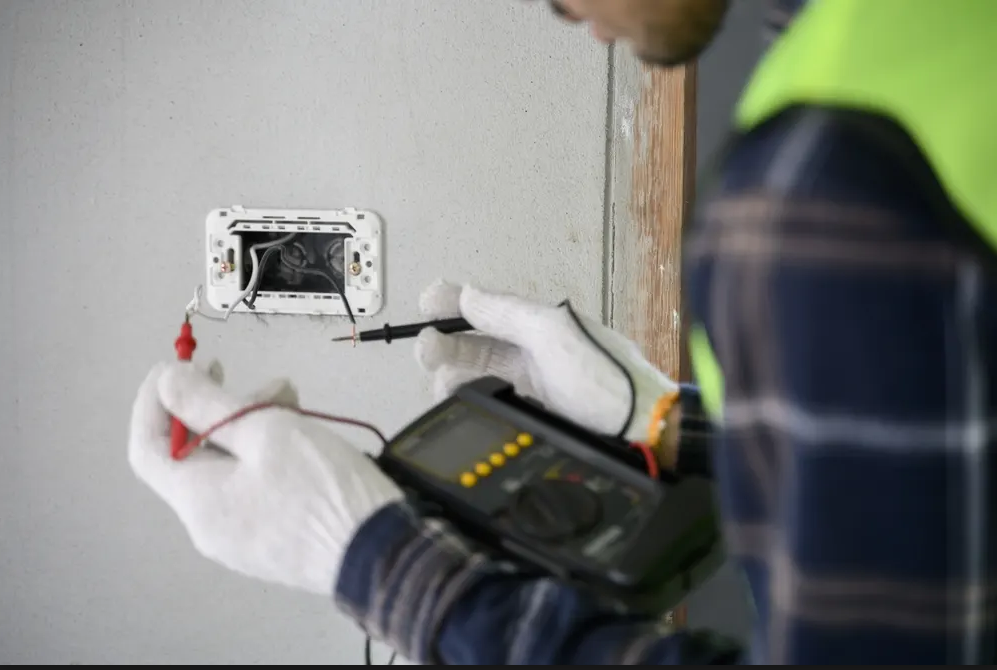
When electrical issues can wreak havoc on your home, unexpected expenses and safety concerns arise. This is why homeowners should have a good grasp of how insurance addresses electrical damage. Here, your local expert in electrical panel installation in Deltona, FL, explores the types of electrical damages typically covered by insurance and those that aren’t.
Florida’s Insurance Landscape
Florida’s climate poses unique challenges, with frequent storms and lightning increasing the risk of electrical damage. Insurers in the state may have specific provisions regarding electrical damage, especially related to natural disasters. Understanding these nuances is vital for Florida homeowners.
Why Understanding Your Policy Matters
When it comes to insurance, each policy’s language, terms, and conditions define what is covered. Electrical damage coverage, specifically, often depends on the cause of the incident, the extent of the damage, and any maintenance issues.
For instance, if a lightning strike damages your electrical system, your policy is likely to cover repairs made by electrical panel services. But if faulty wiring causes an electrical fire, the outcome may hinge on whether the issue was due to neglect or unforeseen failure.
Covered Electrical Damages
Homeowners insurance generally covers sudden and accidental electrical damages. These include:
- Power Surges from Lightning: Lightning-induced power surges can damage appliances and electronics. Most policies cover such incidents, as they’re unforeseen natural events.
- Electrical Fires: Fires resulting from electrical faults are typically covered, provided they weren’t due to negligence or lack of maintenance. Regular inspections can support your claim by showing proactive upkeep.
Exclusions and Limitations
Not all electrical issues fall under standard coverage. Common exclusions include:
- Wear and Tear: Damage from aging wiring or outdated panels due an electrical panel repair is often excluded. Insurers expect homeowners to maintain and update their electrical systems to prevent such issues.
- Faulty Workmanship: Damage from poor electrical work or DIY repairs may not be covered. Hiring licensed professionals for electrical work is advisable to avoid coverage issues.
How Maintenance and Inspections Affect Coverage
Homeowners are expected to maintain their properties and address issues before they escalate claims to insurance companies. Routine inspections and repairs impact the outcome of a claim. Upon proof that your electrical system was deemed safe, said proof strengthens your case for coverage in the event of damage.
Neglecting these responsibilities, however, can work against you. Insurers may deny claims if they find evidence of deferred maintenance or failure to fix identified problems. Keeping records of inspections, repairs, and upgrades can provide proof that you’ve done your part.
The Role of Policy Riders and Endorsements
Standard homeowners insurance policies offer baseline protection, but they often leave gaps when it comes to specialized equipment or high-value items. Adding riders or endorsements can fill these gaps and provide broader protection.
If you have a home office with expensive electronics, for example, a rider covering power surge damage can be invaluable. Similarly, an endorsement for electrical system upgrades can protect you from out-of-pocket expenses if you own an older home with outdated wiring.
It’s important to note that these add-ons will come with an extra cost. However, they can save you money as they will cover scenarios that standard policies exclude.
What Happens If You’re Not Covered?
If your policy doesn’t cover the electrical damage, you’ll be responsible for repair or replacement costs. This can include rewiring, replacing damaged appliances, and addressing structural issues caused by fires or surges.
Uncovered incidents should remind you why reviewing your policy and addressing gaps matters. If you’re unsure about your coverage, talk to your insurer to clarify what’s included and explore options for additional protection.
Steps to Take When Filing a Claim
If you experience electrical damage, prompt action improves your chances of approval. Document the damage—take photos and prepare detailed notes. Clearly describe the cause of damage, such as a power surge or visible fire damage.
To start the claim process, contact your insurer ASAP. Be prepared to provide maintenance records and inspection reports if requested. These documents can demonstrate that the damage wasn’t due to neglect, helping you secure the coverage you’re entitled to.
Enhancing Your Coverage
To bolster your protection:
- Regular Maintenance: Aids identify and rectify potential electrical issues. Experts can also recommend whether you should seek an electrical panel replacement.
- Policy Review: Discuss with your insurer about adding endorsements for specific electrical components or scenarios not covered under standard policies.
- Documentation: Keep detailed records of maintenance and upgrades to support any future claims.
Homeowners insurance concerning electrical damage can be complex. Navigating it successfully requires diligence and proactive measures on the person filing claims. By following what we’ve outlined above, you can better protect your home and financial well-being.
