

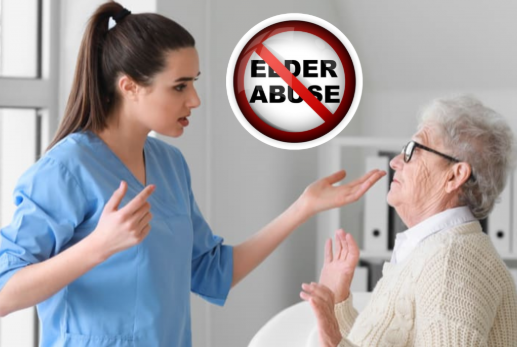
Elder abuse often hides in plain sight. It’s not always bruises or broken bones—it can be subtle, psychological, or even financial. But the damage it causes is just as real. Every year, thousands of older adults suffer in silence, too afraid or unable to speak out. Sometimes, even the people closest to them don’t notice the signs until it’s too late.
Whether you’re a caregiver, family member, or neighbor, knowing what to look for can save a life. In more severe cases, such as sexual abuse in care facilities, families may need to seek legal help for victims of elder sexual abuse to ensure justice is served and future harm is prevented.
The signs aren’t always obvious—but they are there. You just have to know where to look. Below are six of the most common indicators of elder abuse that everyone should be aware of.
6 Warning Signs of Elder Abuse You Shouldn’t Ignore
- Unexplained Injuries
Bruises, cuts, burns, or broken bones with no clear explanation should raise immediate concern. Seniors might be reluctant to talk about how they were injured, especially if the abuser is a caregiver or family member.
Watch for recurring injuries in various stages of healing—this could indicate a pattern of physical abuse. Under the Elder Justice Act, which was enacted as part of the Affordable Care Act, long-term care facilities are federally mandated to report any reasonable suspicion of a crime.
If the suspected crime involves serious bodily injury, it must be reported within two hours. For other suspected crimes, the timeframe extends to 24 hours. Failure to report can result in civil monetary penalties.
- Sudden Changes in Behavior or Mood
A once-social senior who becomes withdrawn, anxious, or depressed may be silently enduring abuse. Emotional and psychological abuse is harder to detect than physical harm, but it can be just as damaging.
Signs include:
- Avoiding eye contact
- Sudden fearfulness or agitation
- Uncharacteristic aggression or confusion
These shifts can also mimic symptoms of dementia, which makes it even more important for caregivers and families to pay attention to changes over time.
- Poor Hygiene or Unsafe Living Conditions
Neglect is a common yet often overlooked form of elder abuse. If a senior appears dirty, smells of urine, or wears the same clothes for days, it may be a red flag. Similarly, living environments that are cluttered, infested, or lacking heat, water, or electricity signal possible neglect.
Under laws like the Older Americans Act, seniors are entitled to basic needs being met, including adequate nutrition, hygiene, and safety. When those are ignored, especially in care facilities or by in-home aides, it may be a sign of serious neglect.
- Unexplained Financial Problems
Elder financial abuse is on the rise, with scammers, caregivers, and even relatives exploiting vulnerable seniors. Unusual banking activity—like large withdrawals, missing checks, or sudden changes to a will—can signal financial exploitation.
Be alert to:
- ATM activity seniors couldn’t have physically performed
- New “friends” managing their finances
- Changes in property titles or legal documents
Many states now have financial elder abuse laws that allow banks and institutions to freeze suspicious transactions and report them without fear of violating privacy regulations.
- Reluctance to Speak When a Certain Person Is Present
If a senior suddenly becomes quiet or nervous around a specific individual—especially a caregiver—that could indicate fear of that person. Abusers often isolate their victims, making them feel dependent or afraid to speak out.
In some cases, seniors may even recant stories of mistreatment after initially speaking up, especially when the abuser has control over their basic needs or access to others.
- Frequent Hospital Visits or Missed Medical Appointments
Chronic or repetitive emergency room visits may suggest ongoing abuse. Conversely, neglect may lead to a senior missing vital doctor’s appointments or going without necessary medications.
Healthcare providers are often the first line of defense. Under Mandatory Reporting Laws in many states, doctors, nurses, and social workers are legally obligated to report suspected elder abuse.
Trust Your Instincts
If something feels off, it probably is. Elder abuse is not always obvious, but its effects are devastating. Trust your gut, document what you observe, and consult professionals when needed. Awareness is the first line of defense.
