

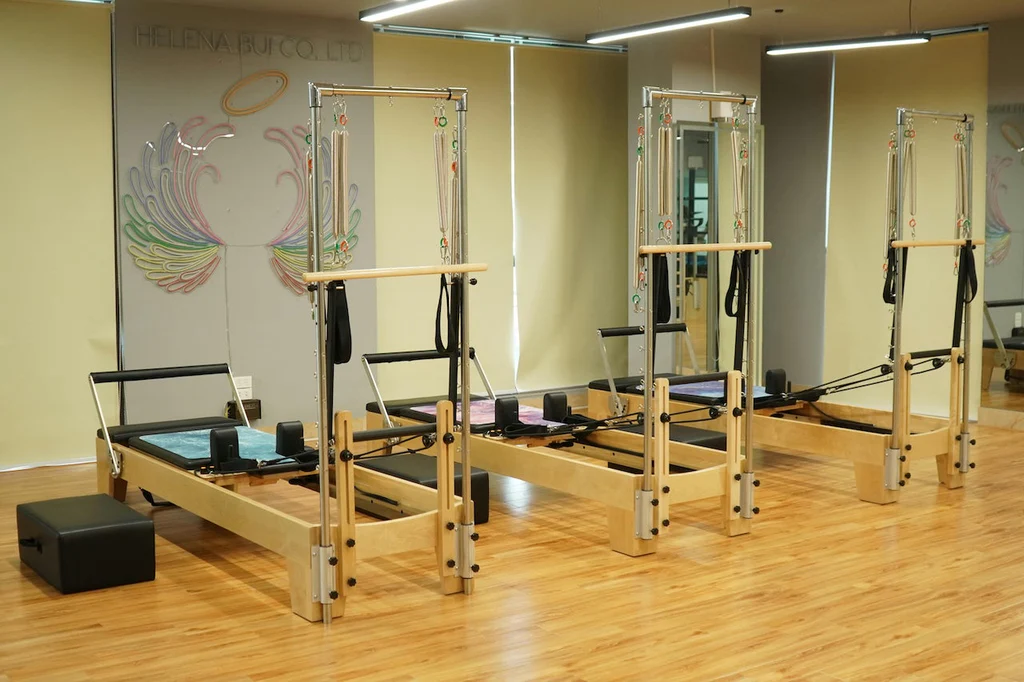
Dance is a perpetual journey of improvement and mastery that extends well beyond learning the initial steps of a routine. For dancers of all levels, the practice space is a sactuary where artistry and technique are honed. Central to this space is a dance studio’s most critical component – the studio mirror. Mirrors are not merely reflective surfaces but tools that provide dancers with immediate visual feedback, enabling them to refine their movements and perfect their form.
The Role of Reflection in Dance
Studio mirrors serve an integral function in dance practice by allowing dancers to observe themselves as they move. The real-time feedback enables the detection of misalignments or discrepancies in technique that might otherwise go unnoticed. It is through this direct observation that dancers can self-correct, ensuring that each movement adheres to the desired aesthetic and precision required by their dance form.
Enhancing Spatial Awareness
One of the primary benefits of using a mirror during dance practice is the enhancement of spatial awareness. Dancers learn to understand their position in relation to the space around them, an essential skill for both solo and ensemble work. Through continuous observation, dancers learn to navigate their movements to maintain proper spacing and formations, which is particularly crucial for group performances.
The Importance of Symmetry and Line
Symmetry and line are fundamental elements of dance aesthetics. A mirror assists in achieving the symmetry needed for certain choreography by providing a visual guide for dancers to follow. This immediate feedback helps in maintaining a balanced form, ensuring that both sides of the body are equally engaged and aligned throughout the dance.
Building Confidence and Stage Presence
Aside from technical proficiency, a dancer’s confidence and stage presence are amplified when practicing in front of a mirror. As they watch themselves execute each move, they become more comfortable with how they present to an audience. This self-awareness carries over to performances, where the mirror’s influence has ingrained a sense of how to command the stage and engage with spectators.
Correcting Technique with Precision
For a dancer, mastering the nuances of movement is a fine art. A studio mirror facilitates the detailed scrutiny required for perfecting technique. Dancers can slow down their movements to focus on specific muscles or positions, dynamically adjust their posture, and perfect their alignment with the aid of their own reflection.
Facilitating Instructor Feedback
Instructors also benefit from the use of mirrors in a dance studio. When providing feedback, they can visually point out areas for improvement, making it easier for dancers to understand and execute corrections. This collaborative use of mirrors fosters a more interactive and efficient learning environment.
Choosing the Right Mirrors for Your Studio
While the benefits of mirrors are manifold, the choice of mirror is equally important. Not all mirrors are created equal, and in dance studios, large wall-mounted mirrors with minimal distortion are preferred. These offer a clear, accurate reflection, which is critical for maintaining the integrity of movements.
Safety and Durability Considerations
Given the physical nature of dance, safety is paramount when selecting studio mirrors. Mirrors should be shatter-resistant and securely mounted to withstand any impacts. Furthermore, durability is also a concern. With regular usage, studio mirrors should maintain their clarity and remain free from warping or tarnishing over time.
Integrating Mirrors into Practice Routines
While mirrors are invaluable, it’s essential to integrate them effectively into practice routines. Over-reliance on mirrors can inhibit a dancer’s ability to perform without visual input. Therefore, while mirrors are critical for perfecting technique, dancers should occasionally practice without them to develop an internal sense of spatial orientation and movement memory.
The Impact on Dance Genres
Different dance genres can benefit variably from the presence of mirrors. Ballet, with its emphasis on lines and posture, may use mirrors more extensively, while street dances might focus on the feeling and flow of movement, where mirrors play a lesser but still significant role.
Cultivating Artistry
Ultimately, mirrors are not just about correcting faults; they are about cultivating artistry. They allow dancers to see the beauty and fluidity of their movement, providing an opportunity to connect emotionally with their practice. By observing their expressions and interpretations, dancers can refine their performance to convey the right emotion and storytelling in their dance.
Conclusion
The power of a quality studio mirror in a dance practice environment cannot be overstated. It is a dancer’s silent instructor, a reflective canvas that captures the ephemeral beauty of dance, allowing the dancer to make precise adjustments and explore their art form’s fullest potential. For dancers seeking to elevate their craft, the mirror is not only a tool for reflection but a gateway to mastering the language of movement.
Whether you are a dance student, professional, or studio owner, investing in high-quality mirrors pays dividends in the pursuit of excellence in dance. From enhancing technique to improving spatial awareness and cultivating confidence, studio mirrors are indeed an essential component of any dance practice space.
The Bottom Line
As dancers continue to turn and leap towards perfection, their mirrored counterparts faithfully reflect every step of their journey, ensuring that their performances are as flawless as the reflections they gaze upon. For those passionate about the art of dance, a studio mirror is more than a mere accessory – it is a catalyst for growth that stands unwavering in its support of the pursuit of dance perfection.
