

Crossing an international border can feel intense, especially with the presence of high-tech security measures like full-body scanners and vehicle X-ray machines. Many travelers are left wondering what their rights are in these situations. Can you say no to an X-ray scan at the border? What happens if you do? These are fair questions—and the answers aren’t always as straightforward as you might hope. This article breaks down your options, the rules, and what to expect if you’re hesitant about a border X-ray scanner when traveling internationally.
Why X-Ray Scans Are Used at Borders
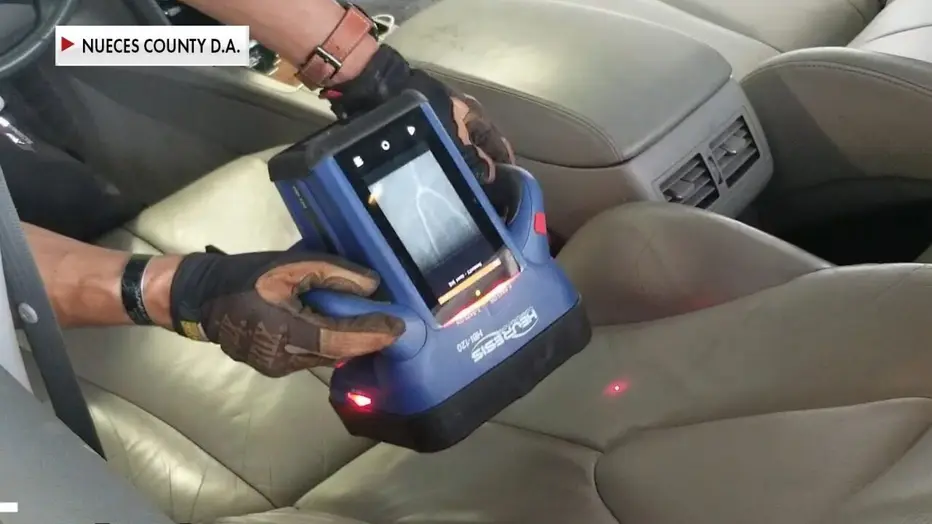
Let’s start with the basics. X-ray technology is a key component of modern border security. These machines are used to scan luggage, vehicles, and even entire cargo containers. In some cases, travelers themselves may be subject to body scans or other advanced screening technologies. Border officials rely on these tools to detect hidden contraband, identify false compartments, and protect national security.
The rationale is simple: it’s faster and more effective than manual inspections. X-rays can reveal what eyes can’t, allowing agents to spot everything from smuggled goods to undeclared cash without having to unpack a single suitcase.
Can You Legally Refuse an X-Ray Scan?
In general, refusing an X-ray scan at an international border is not the same as declining a screening at your local airport. Border crossings fall under different legal rules. Customs and border protection agencies—such as CBP in the United States or CBSA in Canada—have broad authority to inspect travelers, their belongings, and their vehicles. This includes the use of X-ray technology.
Technically, you can refuse, but doing so may trigger further inspection, delays, or even denial of entry, especially if you’re a non-citizen. For citizens returning home, refusal may result in lengthy secondary screenings, fines in certain cases, or the seizure of property for further inspection. Refusal is not illegal in itself, but you may not like the consequences.
How Refusal Might Be Handled
If you say no to an X-ray scan, be prepared for a more thorough, hands-on inspection. Border agents have the right to search your belongings manually, question you at length, and inspect your vehicle piece by piece. In some situations, this can take hours.
In rare cases, travelers who refuse scans may be temporarily detained while agents obtain a warrant or bring in additional personnel. It’s also worth noting that if you’re entering a country on a visa or visitor status, refusal may be interpreted as non-compliance, which could affect your eligibility to enter.
What About Medical Concerns or Privacy?
Some travelers express concern about the safety of repeated exposure to radiation, especially those with health conditions, pregnancies, or medical devices. Others are uncomfortable with what they perceive as an invasion of privacy. These are valid concerns, and border agencies often provide alternative procedures in these cases—but they must be requested clearly and respectfully.
You can ask to speak with a supervisor and request a manual inspection instead. While you’re not guaranteed a different option, agents are typically trained to accommodate reasonable health or religious objections when possible. Just be aware: this usually means a longer wait and more scrutiny.
X-Ray Scans vs. Other Screening Methods
It’s also useful to understand the different types of scans used. Some are designed for cargo and vehicles, while others are for people. Full-body scanners typically use millimeter-wave or backscatter X-ray technology, each with varying levels of radiation exposure.
Vehicle and cargo X-rays emit significantly more radiation but are designed to scan inanimate objects, not people. If you’re concerned about exposure, it’s okay to ask what kind of machine is being used and whether you’re directly in its path. While you may not always receive detailed technical answers, border agents can usually confirm whether human exposure is expected during a scan.
Tips for a Smooth Border Crossing
If you’re hoping to avoid unnecessary delays or complications, preparation is key:
- Know what items are allowed or restricted in the country you’re entering
- Keep your answers calm and honest when speaking with agents
- Declare everything required, even if you’re unsure
- If you’re medically or ethically opposed to scans, bring documentation
- Avoid confrontational language—assert your concerns politely and firmly
Most importantly, remember that border agents are performing a job with safety and enforcement in mind. Being cooperative, even while asserting your rights, goes a long way.
The Bottom Line
So, can you refuse an X-ray scan at the border? Yes, but there are trade-offs. Refusal is unlikely to get you out of inspection altogether and may actually lead to a more invasive process. Still, travelers do have rights and options, especially when health or personal beliefs are involved. Understanding how these systems work—and how to advocate for yourself respectfully—can help reduce stress and make your border-crossing experience smoother.
