

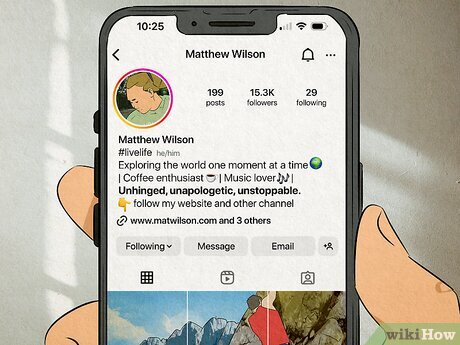
Evening scrolls happen between chats, chores, and a few quiet minutes to unwind. A link-in-bio should respect that reality – it needs to load facts first, keep verbs literal, and hand users to entertainment that behaves on small screens. This piece outlines a clean blueprint for Cool bio-style profiles pointing to an entertainment hub: align labels with what phones actually show, surface time windows in local clocks, and park proof beside promise. When the journey reads in one glance and taps live under the thumb, short sessions finish on time, and the record still makes sense the next morning.
Why bio pages need a calmer, entertainment-aware handoff
A profile link sets the tone for the whole session, so it should read like a single, tidy card. Lead with purpose in one line, then list what the tap does right now: opens the catalog, resumes a watch queue, or loads tonight’s live page. Keep the primary action inside the dominant thumb arc with one verb, and render numbers before art – timers, caps, or local hours – because real networks wobble at night. The lower third must stay clear of blocking banners where wrists, captions, and buttons carry meaning. With this order visible, eyes stop traveling and the hand moves once with confidence across light and dark themes.
A neutral phrase can carry the handoff without hype. Place a sentence that sets context, then point to the destination that mirrors device wording and step order. For readers who want to confirm naming and first-run expectations against a real catalog, a short reference on this website helps lock labels to on-screen reality, so copy on the bio matches what the phone will show minutes later. Vocabulary alignment strips micro-translations from the moment that matters, and attention returns to timing and placement instead of decoding panels when minutes are thin.
Mapping a single-tap journey from profile to play
The strongest journeys behave like a guided lane, not a maze. Start by promising one outcome – “Open tonight’s picks” or “Continue where you left off” – then keep the route visible on every screen that follows. Keep state on a mid-height band where the eye naturally rests at arm’s length, and let the next verb sit directly below it. Use the en dash for soft pauses in labels, and prefer compact receipts near the control that triggered them, stating action, local time, and what changed. Cache the last safe state and retry quietly after short drops, because a crowded room should never erase progress. When state, verb, and receipt share a frame, refreshes feel like progress instead of repairs.
Micro-previews that survive low light
Entertainment links convert when a small preview tells the truth fast. Thumbnails should protect faces and type at phone size, while captions mirror scoreboard-style logic: what this clip is, how long it will take, and why it fits the current window. Put any posted window in local time and place it near the play verb, because that is where a decision lives on a bus or in a dim room. Keep opt-in state visible before qualifying steps, and let confirmations appear as short toasts that never blanket the lower third. Render text first, then heavy assets, so facts hold even when coverage dips and attention is split across messages.
One caption pattern that lands under noise
Open with a concrete noun and single verb – “Playlist opens with three fresh shorts” – then add a soft, en-dash break to state time or theme. Close with the next move in the same vocabulary the button uses. The eye breathes once, the hand acts once, and the link feels edited rather than improvised.
Privacy, permissions, and money steps without friction
Trust grows when promise and control share a frame. If the destination asks for notifications, pair the request with a one-line reason under the button and a visible path to change later in a single tap. Age or region checks belong at the front with a brief “why,” and marketing toggles default to off with plain labels. In money contexts, list rails with realistic arrival windows – hours or business days – next to the amount field. Withdrawal ceilings and any daily limits should sit in the same panel as the action they govern. Inside the account, separate deposits, bonuses, adjustments, and withdrawals into tidy lines stamped in local time, so screenshots replace long threads.
A one-minute checklist for bio-to-entertainment flow
A small, repeatable ritual keeps nights predictable. Place it once near the profile link as a short note, then let muscle memory take over. The aim is fewer stalls and taps that finish on schedule, so the bio earns trust over weeks instead of one loud moment.
- Confirm the promise on the card and the verb under the thumb, align 1:1.
- Render time and limits before art – local hours matter when rooms are busy.
- Keep the lower third free of blocking modals, where captions and controls live.
- Show compact receipts near the tap – action, reference ID, local time.
- Verify quick resume preserves state after a short drop and across themes.
A calm finish
Finish clear and calm. Show what happened, how long it took, and the next step right where the tap occurred. Keep labels familiar, times local, and money info beside the field that needs it. With the lower third clear and logout one tap away, the bio link becomes a dependable shortcut – quick in, on-time out, and a history that still makes sense in the morning.
