

Indian traffic turns every commute into a daily negotiation: one more squeeze past a parked scooter, one more U-turn in a lane that was never meant for cars, one more parking spot that exists only in theory. In that reality, an EV is not just a powertrain choice. It is a friction-reduction tool—built either for tight-city control or for long-distance calm.
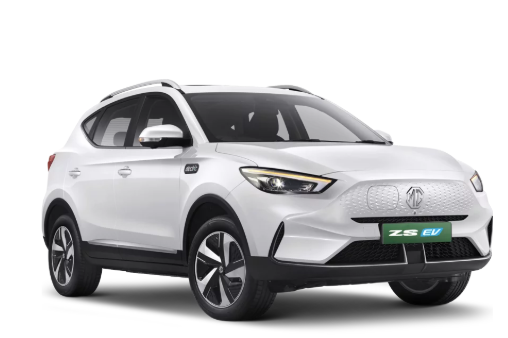
That is why the Comet EV and the ZS EV feel like two different answers to the same question. One is engineered to make the city feel smaller, lighter, and easier to manage. The other is designed to make distance feel simpler—without compromising on space or confidence. If you are comparing the MG Comet EV price with the MG ZS EV price, compare roles first, then numbers.
Two EVs, Two Job Descriptions
Most purchase regret comes from buying the right product for the wrong job. A compact city EV is excellent—until you expect it to behave like a highway tourer. A larger EV is effortless—until you use it only for short runs, when size becomes a hindrance.
Think in roles:
- City-First EV Role: predictable daily routes, frequent parking, narrow lanes, stop-start traffic, and tight turning needs.
- Primary-Car EV Role: mixed usage, regular highway stints, weekend travel, and more range headroom, so you plan less.
The Comet fits the first role unapologetically. The ZS EV targets the second role with a family-first approach. Once you decide the role, the decision becomes cleaner.
What You Really Buy With The Comet
The Comet’s advantage is its tuning for urban control. A tight turning circle changes how you drive every day—U-turns become cleaner, narrow lanes feel less stressful, and parking becomes less of an event.
You also buy “manageability.” In dense city driving, manageable often beats bigger because it reduces hesitation. It helps you take gaps, plan turns, and recover from last-second lane changes without panic.
Finally, you buy daily convenience: easy manoeuvring, clear visibility, and a cabin that feels modern and simple to operate. For many buyers, that is the real value—less effort, more flow.
Reading The mg comet ev price Ladder Like A Buyer, Not A Browser
Treat the Comet’s pricing as a ladder of convenience rather than a single headline. At the base, you are buying the city-friendly footprint and the core EV experience. As you move up, you pay for features that make the car feel more complete in real ownership—especially if multiple drivers in the family will use it.
A practical way to choose a variant is to ask:
- Do you want the simplest, most cost-controlled entry into EV ownership?
- Or do you want an “easier life” spec that reduces small daily irritations?
Charging flexibility matters here. If your life is predictable and home charging is the default, stay value-focused. If your routine is messy (errands, short notice plans, mixed routes), choose the spec that prevents your EV from becoming a scheduling constraint.
Why The ZS EV Feels Like A Primary Car
The ZS EV wins on versatility. It is the EV you pick when you want one car to do most things without drama—office runs, family duties, weekend travel, and longer stints that demand comfort.
This is why MG ZS EV price speaks to a different buyer mindset. You are paying for a vehicle expected to behave like a full-time household car: more space, more road presence, more long-drive comfort, and more range confidence.
A primary-car EV must feel stable in mixed conditions. The moment your route includes expressways and higher-speed driving, you start valuing composure and fatigue reduction. So when you evaluate MG ZS EV price, compare it to what you would pay for a comparable primary vehicle experience—because that is the benchmark.
What Long-Term Ownership Reveals About Value
Specs are important, but ownership is where EV value becomes real. Long-term usage patterns usually highlight:
- Battery Confidence Over Time: whether range stays predictable enough for daily life.
- Wear Items And Maintenance: tyres, the 12V battery, and routine service costs.
- Durability Feel: whether the car still feels tight after years of use.
This is where the ZS EV’s value case can strengthen. If the premium you pay upfront repeatedly buys predictability and calm ownership, MG ZS EV price becomes easier to justify year after year.
How To Make The Test Drive Answer Your Question
A short test drive can be misleading because most routes are smooth, short, and familiar. Use the drive to simulate your real week. Do one tight U-turn. Park in a space you would normally avoid. Drive over a broken patch at low speed and listen for cabin rattles. Spend two minutes adjusting mirrors, seat height, and infotainment controls—if the basics feel effortless, ownership usually does too.
Then do a simple “day planning” check: where will you charge, how often, and what happens when you need a surprise errand at 8 PM? The right EV is the one that still feels convenient when your schedule is not.
A Quick Decision Checklist
Choose the Comet if:
- Your driving is dominantly urban, and parking/turning ease is the daily pain point.
- Your routes are predictable, and home charging covers most needs.
- You want maximum ease per metre of car.
In that case, mg comet ev price is mainly a question of how much comfort and convenience you want on top of the basic city advantage.
Choose the ZS EV if:
- You want one EV that can be your primary household car.
- Highway runs and weekend travel are normal, not occasional.
- You want more comfort, more space, and more range headroom.
In that case, MG ZS EV price is the premium you pay to reduce planning stress, especially when your life is not limited to city loops.
Final Take: Buy The Role, Then Buy The Variant
A Comet buyer is buying daily simplicity. A ZS EV buyer is buying broad capability. Neither is “better” in isolation; each is better at its own job.
If you keep that clarity, the MG Comet EV price becomes a smart-city-first value decision, and the MG ZS EV price becomes a rational primary-car premium. The right choice is the one that matches your week, not your wishful weekends.
