

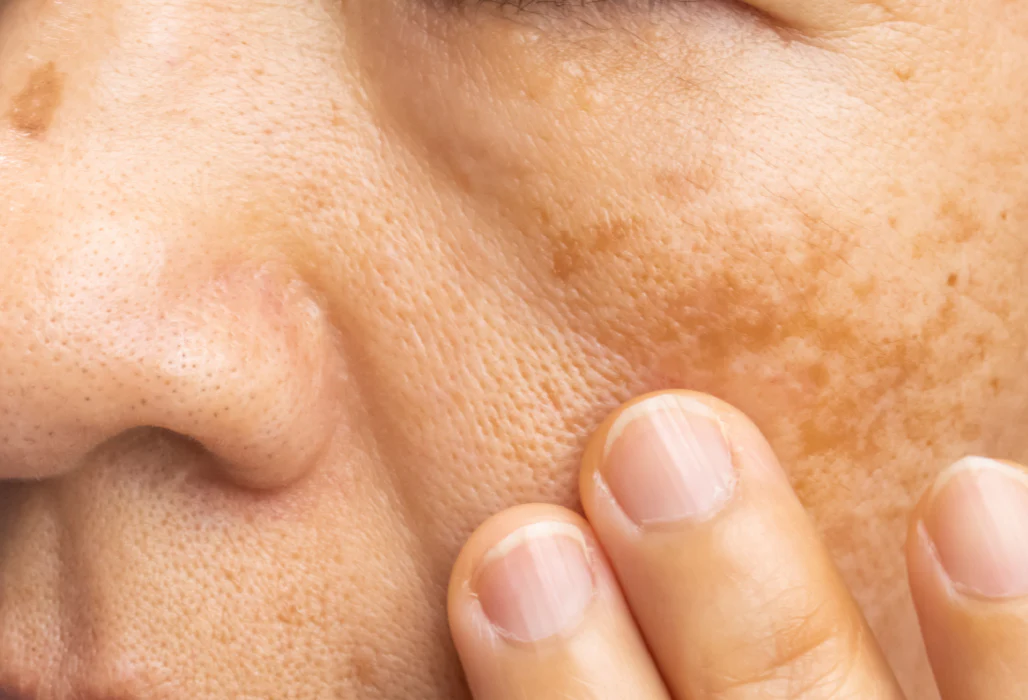
If you have ever watched a dark spot fade… only to see it reappear a few weeks later, you’re not imagining things. Pigmentation isn’t usually a “stain” you erase once and forget. Rather, it is a pattern your skin repeats when the same triggers recur.
That’s why the most effective hyperpigmentation treatment plans don’t merely focus on brightening. They focus on prevention, barrier stability, and long-term maintenance so results actually stick.
Why Pigmentation Returns?
Primarily, pigment comes back because melanin is protective. Moreover, it also means that your skin is very good at protecting itself.
In fact, when your skin senses threats like sun exposure, inflammation, irritation, heat, or hormonal fluctuations, it signals melanocytes (pigment-producing cells). These produce more melanin, creating patches or spots that linger.
Post-inflammatory hyperpigmentation (PIH) typically follows acne, eczema, or other skin injuries. Meanwhile, melasma is a chronic and trigger-sensitive condition. In this case, UV and visible light, as well as hormonal factors, keep pigment pathways active. Interestingly, it remains active even after you see improvement.
The tricky part is that fading visible pigment doesn’t automatically reset the underlying “reactivity.” Melasma, in particular, is known for relapsing. This happens especially when sun exposure returns. So, the goal is to focus on control and maintenance in the long run.
Due to PIH, pigment can deepen or persist if inflammation keeps happening. It also happens if the area is repeatedly exposed to light without consistent protection. In both cases, the trigger stays active, so the pigment signal stays active.
When Irritation Keeps the Cycle Alive?
Barrier-linked pigmentation is one of the most common “hidden” reasons pigment keeps coming back. When your skin barrier is compromised, it becomes easier for daily stressors to spark micro-inflammation. Also, it is sometimes subtle enough that you only notice dryness, stinging, tightness, or random sensitivity.
That low-grade inflammation keeps melanocytes stimulated. This means your skin brightens and re-darkens at the same time. In other words, you are treating the pigment while your routine (or environment) keeps re-triggering it.
This is why barrier repair is uncompromisable. It’s the stabilizer that makes pigment routines sustainable. When your barrier is hydrated, comfortable, and resilient, your skin is less likely to interpret normal exposures as threats that require extra melanin.
Moreover, a calm barrier also improves tolerance. This way, you can stay consistent with your routine instead of cycling through “too strong → irritation → pause → relapse.”
Meanwhile, if your skin regularly feels irritated, it’s a signal to simplify, soothe, and rebuild. This is essential before pushing harder on correction.
Light Is Not Just “Sun”: UV, Visible Light, and the Indoor Trap
The major driver of most recurrence stories is inconsistent daily protection. UV exposure is a classic pigment trigger, but visible light can worsen pigment conditions like melasma, too, especially in deeper skin tones. So, you can flare even if you do not spend much time outdoors.
Dermatology guidance often recommends daily sun protection for pigment concerns. Also, for melasma specifically, tinted sunscreen with iron oxides is often suggested to help cover visible light exposure. Even sitting near windows or driving can matter, because visible light can still reach your skin in those settings.
Heat can also amplify reactivity in some pigment-prone skin, especially in melasma patterns, by increasing inflammatory signals. That doesn’t mean you need to fear daily life. Rather, it means your results hold best when protection is routine, not occasional.
In fact, a strong daily SPF habit is essential. If you are managing pigment, think of sunscreen as your daily maintenance step.
The COSMEDIX Approach: Correct + Support + Maintain
You do not need to stack more activities, but use the right steps in the right order. That’s where a focused hyperpigmentation treatment strategy works best: protect first, correct second, and support the barrier throughout.
This way, you reduce the risk of irritation, dryness, or accidental over-exfoliation. In general, these factors lead to further pigmentation. Also, if you are melasma-prone, long-term maintenance and photoprotection will help prevent relapse.
Step 1: Build a Calm Foundation
Start with gentle cleansing and comfortable hydration. This is because pigment routines work when your skin tolerates a consistent regimen. However, if your cleanser leaves your skin feeling tight or stinging, it might cause stress.
So, aim for a routine that leaves skin feeling soft. This is because irritation keeps inflammation active. Also, it is one of the most reliable triggers of pigmentary changes, especially in PIH. Hence, a calm foundation allows the next steps (brightening and active ingredients) to work better.
Step 2: Protect Every Morning
Apply broad-spectrum SPF daily for all pigment concerns, even when it’s cloudy or you are mostly indoors. If you have melasma or stubborn facial discoloration, use tinted formulas with iron oxides. This will help address visible light exposure, which is frequently implicated in flares.
COSMEDIX aestheticians offer daily SPF options (including SPF 50) designed for routine wear. This makes consistency easier when you are aiming to prevent recurrence.
Step 3: Correct With Intent
Correction works best when it’s targeted and steady. That means choosing a brightening pathway you can use consistently. You do not have to rotate five different “spot” products.
Mostly, topical therapies (in combinations) are helpful for hyperpigmentation. Moreover, other prevention techniques include daily sunscreen and sun-protective habits.
Hence, make sure your correction step is strong and consistent. Also, it must be gentle enough to fit into your routine. It must not trigger sensitivity.
Step 4: Add Antioxidant Support
Antioxidants help reinforce skin against environmental stressors that contribute to dullness and uneven tone over time. However, that doesn’t mean you have to go through a complicated regimen. Rather, you need a smart layer that supports resilience while you correct.
COSMEDIX offers antioxidant-focused options across its pigmentation- and tone-supporting categories. These pair well with daily SPF and a consistent brightening regimen.
Pro Tip: If you have fading pigment but it keeps resurfacing, stick to your routine.
- Continue daily SPF
- Keep barrier support steady
- Scale correction to a maintenance rhythm.
Do not stop the moment your spots look lighter. That maintenance phase is exactly what separates quick fades from long-lasting results.
Common Recurrence Triggers
The following are some of the major recurrence triggers:
1. Your Skin Feels Irritated More Often
Sometimes, products sting, redness lingers, or your face feels tight after cleansing. Basically, your barrier is signaling that it is stressed. That ongoing stress promotes inflammation.
Moreover, inflammation stimulates melanocytes, especially in PIH-prone skin. The fix is usually fewer steps, gentler formulas, and a deliberate barrier repair phase.
2. Your Sun Protection Is Occasional Instead of Daily
In general, pigment concerns tend to darken with UV exposure. Also, melasma might worsen with exposure to visible light. That is why daily, consistent protection matters. If you are not reapplying, relapse becomes more likely, and progress becomes harder to maintain.
3. You Stopped the Routine Right After You Saw Results
Pigment pathways do not end overnight. In fact, melasma relapses after sun exposure. Also, PIH lingers if inflammation recurs.
Hence, a maintenance plan (SPF + gentle support + periodic correction) helps keep pigment quieter in the long term. This is a better option than cycling through fade-and-return.
Consistency Is the Antidote!
If pigmentation returns, it does not mean that your skin is “failing.” Rather, your skin is repeating a protective response under familiar conditions.
In those cases, you must address triggers (like light exposure, inflammation, irritation, and hormonal sensitivity). Also, you have to commit to daily protection plus barrier stability.
If you want a hyperpigmentation treatment plan that lasts, you will need a plan for daily protection, correct consistency, and support with hydration and antioxidants. This way, you can maintain your skin health long after the spot looks lighter.
However, if you need help coming up with a plan or face problems with carrying it out, Cosmedix can help.
