

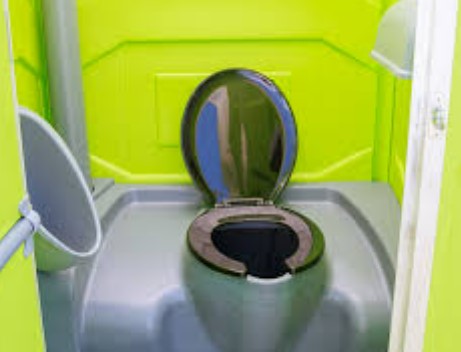
Portable toilets tend to get noticed only when people need one fast. At festivals, roadworks, disaster zones, parks, construction sites, and outdoor weddings, they sit quietly in the background doing a job that public health systems depend on. Yet most people see only the plastic shell and the blue liquid at the bottom. What they do not see is a compact sanitation system designed to control waste, reduce odor, support hygiene, and move sewage safely into the standard treatment stream.
That hidden process is why portable toilets deserve a closer look. They are not glamorous, but they are practical pieces of temporary infrastructure, and they work through a mix of simple engineering, fluid behavior, ventilation design, and sanitation chemistry.
Why Portable Toilets Are More Advanced Than They Look
The hidden systems behind a simple plastic stall
A modern portable toilet looks simple because it has to. It needs to be durable, light enough to move, tough enough to withstand weather, and easy to service. But inside that basic form are several systems working at once:
- A sealed holding tank that isolates waste
- A vent system that directs odors upward
- Interior surfaces made for quick sanitation
- A roof and door design that balance privacy, light, and airflow
- Chemical treatment that slows odor formation and supports waste breakdown
Manufacturers design units with practical field conditions in mind. A toilet at a one-day fair has different needs than one stationed for weeks on a construction site. Some include hand sanitizer dispensers, handwash sinks, mirrors, occupancy indicators, and anti-slip flooring. ADA-accessible units add extra floor area, support rails, and easier access for wheelchairs or attendants.
That mix of durability and sanitation explains why the outside seems plain while the inside works harder than many people expect. Once you notice that, the next question tends to be obvious: how does the whole thing actually work?
Why people are so curious about how porta-potties work
Portable toilets prompt curiosity because they deal with a private process in a very visible public setting. People wonder what happens after they close the lid, why the tank does not overflow right away, what the blue liquid actually does, and how the smell is kept under control, at least most of the time.
Some of that curiosity also comes from bad assumptions. Many people imagine a portable toilet as a box where waste simply piles up. In reality, the unit is set up to separate the user space from the waste space as much as possible, then move air and odor in a planned direction. To understand that, it helps to start with the parts themselves.
The Basic Anatomy of a Modern Portable Toilet
The cabin, seat, urinal, and holding tank
Most standard units share the same basic layout. The molded cabin forms the outer shell. Inside, the toilet seat sits above a large holding tank built into the base. In men’s units, a side urinal often drains into the same tank, which helps reduce traffic at the main seat and speeds up use at busy sites.
The holding tank is the real workhorse. It is designed to store waste securely until the service truck arrives. Tank capacity varies by model, though many standard units are built to support heavy use between service visits. The tank opening under the seat is sized to direct waste downward with minimal splash, and the sealed base helps stop leakage during normal use and transport.
This simple layout sets up the next layer of performance: controlling what users notice most, which is air movement and smell.
Vent pipes, roof design, and airflow control
A portable toilet does not rely on a flush system like a permanent bathroom connected to sewer lines. Instead, it relies heavily on passive ventilation. The vent pipe, usually located behind the seat, connects the holding tank to the outside air above the roofline. As air warms inside the unit, odor-laden gases are encouraged upward rather than into the breathing zone.
The roof helps with that more than people realize. Many units use translucent roofing material to let in daylight without electrical lighting. That extra warmth can strengthen upward airflow in the vent stack. Small openings near the top of the door or cabin walls also allow fresh air to enter, creating a path that supports odor removal.
With that airflow framework in place, operators can add comfort and hygiene features based on where the unit will be used.
Hand sanitizer, sinks, and other add-on features
Basic units often include a hand sanitizer dispenser. Higher-spec units may have:
| Feature | What it does | Where it is common |
| Hand sanitizer dispenser | Offers quick hand hygiene without plumbing | Events, parks, job sites |
| Freshwater handwash sink | Lets users wash with soap and water | Weddings, premium events, longer-term sites |
| Foot pump sink | Reduces hand contact with shared surfaces | Construction sites, public gatherings |
| Mirror and shelf | Improves convenience for users | VIP units, event toilets |
| Occupancy indicator | Shows whether the unit is in use | High-traffic venues |
| Interior light panel or translucent roof | Improves visibility during daytime use | Most modern units |
These features matter because user behavior affects sanitation. People are more likely to leave a unit cleaner when the space feels functional and well maintained. That brings us to the moment most users think about most: what happens right after use.
The answer starts with gravity and a sealed tank below.
What Happens After You Flush or Close the Lid
How waste drops into the sealed holding tank
In many standard portable toilets, there is no flush in the household sense. Waste drops directly through the seat opening into the holding tank below. In some upgraded models, a recirculating or freshwater flush mechanism covers the tank opening after use, giving users a more familiar bathroom experience.
Either way, the purpose is the same: move waste into a closed storage area as quickly as possible. Once it enters the tank, it mixes with treatment liquid already placed there by the service provider. That liquid helps with odor control and the early stages of waste breakdown.
The process is simple, but the shape of the tank and placement of openings matter more than most people think.
Why gravity, tank shape, and separation matter
Portable toilets work because gravity is reliable. Waste falls directly into the lowest part of the unit, where the tank is designed to contain liquid and solid material without active pumping during everyday use. The tank’s shape helps spread volume across the base instead of letting material mound directly under the seat.
Separation matters too. The farther the stored waste is from the user’s nose and hands, the better the experience. That is why the seat platform, lid, and vent placement all work as barriers between the occupant area and the tank space below.
Those barriers are not perfect on their own, of course. Odor control depends on what happens with the trapped gases next.
What keeps odors from immediately escaping
Several mechanisms hold odor in check:
- The holding tank is enclosed except for designed openings
- The lid helps reduce direct airflow from the tank into the cabin
- Chemical treatment suppresses some odor-causing activity
- The vent stack gives gases a preferred route upward
- Small cabin openings help fresh air move in from above or around the door
If a unit is clean, properly serviced, and placed well, odor should be controlled far better than many people expect. Much of that performance comes from the blue liquid sitting in the tank, which has become one of the most recognizable parts of portable sanitation.
What Is the Blue Liquid in Portable Toilets?
The dyes, deodorizing agents, and biocides inside
The blue liquid is not there for color alone. The dye helps signal that the unit has been serviced and treated. It also masks the appearance of waste in the tank, which improves the user experience.
Depending on the supplier and product type, the solution may contain:
- Fragrance or deodorizing compounds
- Surfactants that help spread the liquid and wet waste surfaces
- Biocides or other treatment agents that suppress odor-causing bacteria
- Dye for visibility and appearance control
Different products are used for different climates, service intervals, and environmental rules. Some are made for heavy summer heat. Others are selected for lower toxicity or easier downstream treatment.
That leads to the chemistry question people ask most often: does it actually break waste down?
How the chemicals break down waste and reduce smell
The short answer is that treatment fluid helps manage waste rather than making it disappear. Odor usually comes from bacterial activity and the gases released as waste starts decomposing. Treatment chemicals reduce that smell by slowing some of that activity, neutralizing certain odor compounds, and keeping the tank environment less offensive between service visits.
Liquefaction agents may help solids disperse more evenly, making pumping easier later. Deodorizers mask or neutralize smells. Biocides reduce the growth of some microorganisms that generate strong odors.
So the blue liquid is part chemistry, part psychology, and part maintenance aid. Its job is to keep the unit usable until professionals empty the tank.
That role has changed over time as sanitation products have become safer and more regulated.
Are modern portable toilet chemicals safer and more eco-friendly?
In many markets, yes. Older products sometimes relied on stronger chemicals that raised health or environmental concerns. Many current formulations are designed to be less hazardous while still controlling odor and supporting service operations. Local rules, wastewater treatment requirements, and environmental standards shape what operators can use.
That does not mean all products are identical, and it does not mean the liquid is harmless enough to treat casually. It means the industry has moved toward options that work with treatment plants and current sanitation standards more effectively.
Chemistry is only half the odor story, though. The other half is airflow.
How Portable Toilet Ventilation and Odor Control Really Work
Why the vent pipe is one of the most important parts
If you had to pick one component that makes a portable toilet more tolerable, the vent pipe would be high on the list. It gives odor and gas a route out of the holding tank that does not pass directly through the user zone. Without it, smells would collect much faster inside the cabin.
The vent stack is simple but smart. It rises from the tank area to above the roofline, where outside air movement can carry odors away. This placement helps keep the strongest smells out of face level.
That effect becomes stronger when heat enters the picture.
How heat and airflow pull odors upward and out
Warm air rises. Portable toilet design takes advantage of that basic fact. Sunlight warms the cabin and the air inside the vent pipe. As that air rises, it draws gases upward from the tank. Fresh air enters through small gaps or vents, replacing what escapes above.
This is why a well-designed unit can smell acceptable even without plumbing. It is using passive airflow to create a directional path for odors. The process is not magic, and it does not work equally well under every condition, but the principle is sound and widely used.
Placement also matters more than many site managers first assume.
The role of door gaps, roof vents, and placement in the sun
Small door gaps and upper vents are not signs of poor construction. They are often part of the airflow plan. They allow fresh air to enter and support circulation. The roof shape and vent position also help limit trapped heat while preserving the stack effect that pulls odors upward.
Placement affects performance too. Units in direct sun may get hotter, which can improve vent draw but also intensify odor generation inside the tank. Shade may keep the cabin more comfortable, though reduced heat can change airflow behavior. Operators try to balance comfort, access, wind direction, and service access when choosing where units should stand.
Even the best ventilation setup has limits. Eventually, the holding tank must be emptied and cleaned. That is where service crews and vacuum trucks come in.
How Waste Gets Pumped Out and Transported
Service trucks, vacuum hoses, and routine cleaning schedules
Portable toilet servicing is a field operation with a set routine. A service truck arrives with a vacuum pump, storage capacity for collected waste, freshwater or rinse water, cleaning tools, and restocking supplies. The worker opens the unit, inserts the vacuum hose into the holding tank, and removes the contents into the truck.
After pumping, the interior surfaces are cleaned and disinfected. The tank is recharged with treatment liquid, and supplies such as sanitizer, soap, paper, or water are replaced as needed.
For readers curious about providers and setup options, temporary toilet rental services often explain how unit types, event size, and servicing frequency are matched in practice.
The schedule for that work depends on how many people use each unit and for how long.
How often units are emptied at events and job sites
There is no single schedule that fits every site. A toilet used by a small work crew may be serviced weekly. Units at a crowded festival may need far more frequent attention, including same-day pumping or cleaning during peak operations. Heat, food and drink consumption, alcohol service, event duration, and local sanitation rules all affect service planning.
Industry guidance often uses estimated users per unit and expected hours of operation to determine how many toilets are needed and how often they should be checked. If planners cut corners, odor and hygiene problems show up quickly.
That is why servicing involves more than suctioning waste out of the tank.
What happens during cleaning, refilling, and restocking
A proper service visit usually includes several steps:
- Pumping out the holding tank
- Rinsing or washing tank surfaces as needed
- Cleaning and disinfecting the seat, urinal, walls, and floor
- Refilling the tank with treatment solution
- Restocking toilet paper, sanitizer, soap, or water
- Checking for damage, leaks, or blocked vents
This resets the unit for the next round of users. Once the waste is on the truck, though, it still has a long way to go before treatment is complete.
Where the Waste Goes After Pickup
How haulers transport sewage to approved treatment facilities
Licensed haulers do not dump portable toilet waste just anywhere. In regulated systems, they transport it to approved wastewater treatment facilities or designated disposal points that can accept septage or similar waste streams. The truck itself acts as a sealed transport vessel until unloading.
This part matters because safe sanitation depends on the full chain, not only on the toilet at the site. Collection without lawful disposal would defeat the public health purpose.
Once the waste reaches a treatment plant, it enters a much larger and more technical process.
What treatment plants do with solids, liquids, and contaminants
At the plant, incoming waste may be screened to remove trash or non-flushable debris. Then it moves through physical, biological, and sometimes chemical treatment stages. Solids settle or are separated. Organic material is broken down by microorganisms in controlled systems. Water is treated to meet discharge or reuse standards. Sludge receives its own treatment before disposal or beneficial use where allowed.
Portable toilet waste can contain the same basic human waste found in sewer systems, though it may also arrive more concentrated and mixed with deodorizing chemicals, paper, and occasional contaminants. Treatment plants are built to manage complex wastewater streams, which is why approved disposal routes matter so much.
After that point, portable toilet waste is no longer a special category. It joins the normal sanitation system.
How portable toilet waste becomes part of normal wastewater processing
Once accepted into the treatment stream, portable toilet waste is handled much like other sewage entering from homes, businesses, or septic hauling operations. The goal is the same: protect public health, reduce pollutants, and return treated water or treated solids safely according to regulation.
That fact surprises many people. The portable toilet may feel separate from city plumbing, but it is really a temporary front end to the same larger sanitation network. Knowing that helps clear up many of the myths that follow these units around.
Common Myths, Problems, and Surprising Facts
Can portable toilets overflow, freeze, or tip over?
Yes, under some conditions. Overflow can happen if service intervals are too long or usage is far higher than planned. Freezing is possible in cold climates, which is why operators use winterized products and adjusted schedules. Tipping can happen in strong winds, on uneven ground, or if units are not placed securely.
That said, these problems are preventable in most cases with proper siting, anchoring where needed, realistic unit counts, and timely service. Failures usually reflect planning or maintenance issues more than flaws in the basic concept.
Smell follows a similar pattern: it is often worse under specific conditions, not all the time.
Why they usually smell worse in some conditions than others
Odor tends to increase when:
- Temperatures are high
- Usage is heavy
- The vent is blocked or damaged
- The tank treatment is old or insufficient
- The interior has not been cleaned regularly
- The unit is placed where airflow is poor
A clean, recently serviced unit with a working vent often smells far less offensive than the stereotype suggests. That stereotype survives because people remember the bad examples most vividly.
The same goes for hygiene concerns, which are often overstated or misunderstood.
The biggest misconceptions about hygiene and safety
A common myth is that portable toilets are inherently filthy. In reality, hygiene depends on servicing, user behavior, and available hand-cleaning options. A well-maintained portable toilet can be sanitary enough for routine public use, especially when paired with soap, water, or sanitizer.
Another misconception is that the chemicals inside are wildly dangerous. They should be handled only by trained workers and according to product instructions, but modern treatment fluids are selected with downstream handling and safety standards in mind.
The larger point is simple: the unit is only one part of a managed sanitation system. And that system supports far more daily life than most people notice.
Why Portable Toilets Matter More Than Most People Realize
Public health, sanitation, and temporary infrastructure
Portable toilets fill gaps where permanent plumbing is missing, overloaded, damaged, or too far away. That makes them valuable at outdoor events, construction sites, agricultural operations, emergency response zones, and public spaces with seasonal crowds.
Their public health role is straightforward. They provide a controlled place for human waste, reduce open defecation risks, support hand hygiene, and keep worksites and gatherings functional. In emergencies, they can be one of the first sanitation measures put in place.
That practical value becomes even clearer at scale.
How engineering makes large events and remote worksites possible
A concert field, marathon route, disaster relief camp, or remote road project can host hundreds or thousands of people where no sewer connection exists. Portable toilets make those activities possible by creating temporary sanitation infrastructure that can be delivered, serviced, relocated, and removed with relative speed.
Behind every plastic stall is a small chain of engineering decisions: sealed containment, airflow design, chemical treatment, vacuum servicing, licensed hauling, and wastewater treatment. None of it is glamorous. All of it matters.
The next time you step into a portable toilet, you are not entering a plastic box with blue liquid at the bottom. You are stepping into a compact sanitation system built to solve a very old human problem in a very practical modern form.
