

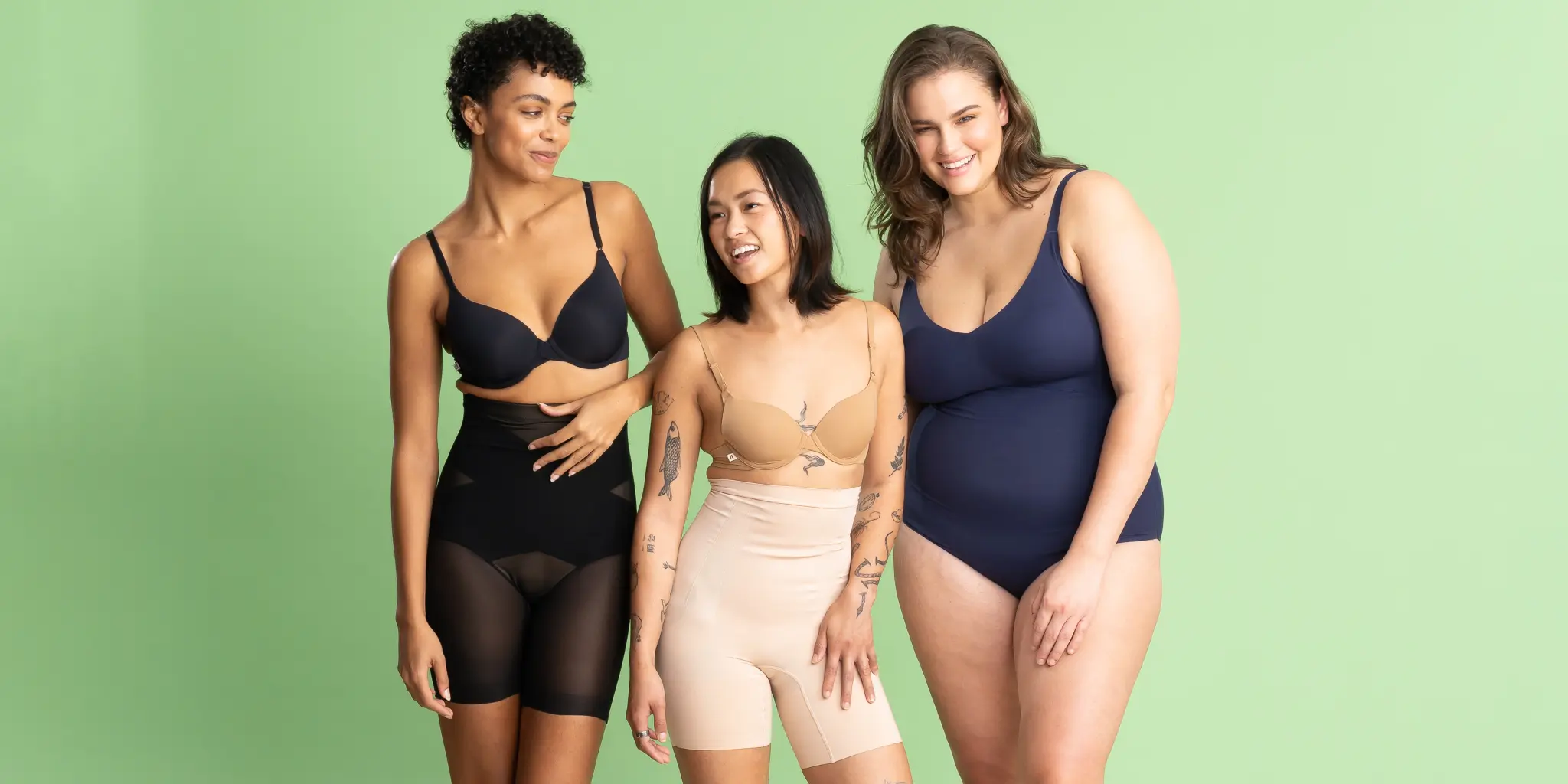
Innerwear has always been a category defined by layering — a bra for the bust, shorts or briefs for the lower body, and occasionally a separate waist or midsection layer in between. For a long time, that approach was considered adequate. The individual pieces did their jobs independently, and the idea of combining them into a single garment was largely reserved for specific occasions where a seamless result was non-negotiable.
That thinking has shifted. One-piece sculpting innerwear has moved from an occasional solution into a format that a broad and growing number of women choose for regular, everyday use. The shift isn’t driven by a single factor — it reflects improvements in construction, a clearer understanding of what separate pieces consistently fail to do, and a genuine appetite for innerwear that simplifies rather than adds to the layers required under fitted clothing.
The Problem With Wearing Separates
To understand why one-piece sculpting formats have grown in appeal, it helps to start with what wearing separate pieces actually produces under fitted clothing.
A bra and shapewear shorts worn together create at least two distinct transition points — the bra band across the back and the shapewear waistband across the front and back torso. Under fitted jersey, satin, or stretch fabric, these transition points produce visible ridges or soft folds that interrupt the smooth surface the shapewear was chosen to create. The garments may each fit well individually, but the interaction between them introduces a problem that neither solves.
Movement compounds the issue. Over the course of a long day, a shapewear waistband shifts downward and a bra band rides upward — gradually widening the gap between them. The transition zone that was barely visible at the start of the day becomes more pronounced by the end of it. Under fitted clothing worn for an event, a long workday, or any occasion that extends across several hours, this progression directly affects how the outfit looks and feels.
One-piece sculpting innerwear removes these variables. A single garment covering the bust, torso, midsection, and hip area has no internal transition points, no relative movement between sections, and no gap that widens with time and activity.
What a Sculpting Bodysuit Delivers
The sculpting bodysuit is the most widely used format within the one-piece sculpting category, and its construction illustrates what the format does well.
A sculpting bodysuit covers the torso as a single continuous piece — from the bust or shoulder line down to the base of the torso, closing at the gusset. The compression is distributed across this zone without interruption, which means the shaping effect extends evenly from the bust through the midsection and into the hip area rather than being concentrated unevenly at separate points.
In a well-made sculpting bodysuit, the compression is graduated rather than uniform. The midsection and lower abdomen carry firmer compression because that’s where shaping is most structurally relevant. The upper torso and bust carry lighter compression — enough to smooth and support without restricting breathing or creating discomfort through extended wear. The transition between these zones is gradual rather than abrupt, which is what produces a natural-looking result under clothing rather than an obvious compression line mid-torso.
The upper construction of a sculpting bodysuit varies considerably across styles. Built-in underwire versions function as a bra and body in one garment. Adjustable strap versions can be adapted to different necklines. Strapless constructions work under off-shoulder, bardot, and low-neckline outfits where straps would be visible. This range of upper body options is a significant part of what has made the sculpting bodysuit relevant across everyday, occasion, and formal outfit categories rather than being limited to a specific use case.
The Full Body Shaper: Comprehensive Coverage
For outfits that require smoothing from the bust through to the thigh — bodycon dresses, formal gowns, fitted midi styles, satin or silk-adjacent fabrics — a full body shaper for women extends the one-piece format considerably further than a standard bodysuit.
A full body shaper for women covers the complete torso, midsection, hips, and thighs in a single garment. The result is a smooth, uninterrupted surface from shoulder to mid-thigh with no transition points, no waistband ridges, and no gap between upper and lower sections. For the outfit categories where every centimetre of the body is in contact with close-fitting fabric, this level of coverage produces a result that separate pieces cannot reliably replicate.
The engineering demands of a full body shaper are more complex than a shorter garment. The upper section needs to support the bust adequately. The midsection needs targeted compression. The hip and thigh sections need smooth, seamless leg openings that don’t create visible hemlines under the dress or skirt worn over them. Achieving all three simultaneously — with graduated compression throughout — is the benchmark that separates a genuinely effective full body shaper for women from a garment that manages some zones well while compromising others.
Position stability is where a full body shaper particularly outperforms separate pieces for extended wear. Because the garment is anchored at both the shoulder and the thigh, it has fixed reference points at both ends that prevent the kind of gradual shifting that affects waistband-only garments. The shaping effect at hour six of an event is consistent with what it was at hour one — and for formal occasions and long events where adjustment isn’t practical, that consistency is meaningfully valuable.
Outfit Categories Where One-Piece Formats Excel
The value of one-piece sculpting innerwear is most clearly felt in specific outfit categories, and understanding which styles benefit most helps in deciding when a bodysuit or full body shaper is worth choosing over separate pieces.
Fitted jersey dresses — wrap styles, bodycon cuts, and figure-skimming midi lengths — are in continuous contact with the body across their full length. Any transition between separate innerwear pieces falls within the zone the dress fabric is reading, which means it shows. A sculpting bodysuit or full body shaper for women eliminates all internal transitions and gives the jersey fabric a single, consistent surface to follow.
Formal and occasion wear is the category where full body shapers are most consistently recommended. The combination of unforgiving fabric, extended wear, and the expectation of a polished result from start to finish makes the reliability of a one-piece garment the practical choice over separate pieces that may shift or gap during a long event.
Tailored suits and structured separates, where both the jacket and trouser sit close to the body, benefit from the clean torso coverage a sculpting bodysuit provides. The smooth midsection and hip area means the jacket sits cleanly without any shapewear waistband visible at the back, and the trousers sit over a consistent, even base.
Satin and silk-adjacent fabrics are among the most demanding in terms of what they show underneath. These materials catch light in ways that amplify every edge, seam, and transition beneath them. A sculpting bodysuit with seamless construction and no waistband or transition points is the most reliable base layer for these fabrics.
Practical Wearing Considerations
One-piece sculpting garments require slightly more consideration in daily use than separate pieces, and the main practical adjustment involves bathroom access. Quality sculpting bodysuits and full body shapers for women address this with an open-gusset or snap-closure construction at the base. The reliability of this detail varies between garments, and it is worth assessing when choosing between options — a gusset that doesn’t open smoothly or stay closed reliably is a meaningful inconvenience over a long day of wear.
Torso length is the sizing variable that causes the most fit issues in one-piece garments. A sculpting bodysuit that fits correctly in circumference but is too short in the torso pulls downward continuously throughout the day, shifting the position of compression panels and affecting comfort. Most quality brands provide torso length guidance alongside standard circumference sizing, and following both produces a significantly better fit than relying on circumference alone.
Why the Format Has Earned Everyday Status
The sculpting bodysuit and full body shaper for women have grown from occasional solutions into regular wardrobe choices because they address real, consistent problems that separate innerwear pieces create — and they do so without adding complexity to the getting-dressed process.
One-piece sculpting innerwear has risen not because it promises something extraordinary but because it delivers something reliable: a smooth, even, transition-free base layer that performs consistently across the full day of wear. That dependability, built through experience rather than expectation, is what has moved the format from a specialised purchase into an everyday one.
