

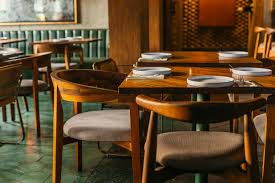
Why Comfort Matters When Selecting Restaurant Chairs
Comfort plays a central role in shaping how guests experience a restaurant. Restaurant chairs that feel supportive and well-designed encourage diners to relax and enjoy their meals rather than rush through them. When seating is uncomfortable, guests may shorten their visit, which can negatively affect overall satisfaction and repeat business. Comfort is not just about cushioning; it also involves seat height, back support, and how naturally the chair aligns with the table.
Well-chosen seating allows guests to sit comfortably for the duration of their meal without strain. This is especially important for full-service restaurants where dining times tend to be longer. Comfortable chairs contribute to a positive atmosphere, making customers more likely to stay longer, order more, and leave with a favorable impression of the establishment.
Durable Restaurant Chairs Built for Daily Commercial Use
In a commercial setting, seating must withstand constant use. Restaurant chairs are used repeatedly throughout the day, often by guests of varying sizes and habits. Durability ensures that chairs maintain their structure, appearance, and safety over time. Chairs designed for commercial use typically feature reinforced frames and joints that resist loosening or breaking under frequent stress.
Durable seating also reduces long-term costs. Chairs that wear out quickly require frequent replacement, which can disrupt operations and increase expenses. Investing in chairs built for daily use helps restaurants avoid these issues. When durability is prioritized, seating remains reliable during busy service hours, supporting smooth operations and maintaining a professional appearance throughout the dining space.
Choosing Restaurant Chairs Based on Material and Construction
Material selection significantly influences both comfort and durability. Restaurant chairs are commonly made from wood, metal, or a combination of materials, each offering different benefits. Solid wood chairs provide a classic look and sturdy construction, while metal chairs often offer increased strength and resistance to wear. Upholstered options add comfort but should be chosen carefully for ease of maintenance.
Construction quality is just as important as material choice. Strong joints, reinforced frames, and well-finished surfaces contribute to long-lasting performance. Chairs with poor construction may look appealing initially but fail under daily use. Evaluating materials and craftsmanship together helps ensure that seating meets the demands of a commercial environment while maintaining comfort and visual appeal.
Ergonomic Restaurant Chairs for Long-Term Guest Comfort
Ergonomics focuses on how seating supports the human body during use. Restaurant chairs designed with ergonomic principles help reduce discomfort, especially during longer dining experiences. Proper back support, appropriate seat depth, and a comfortable seat angle all contribute to a better seating experience.
When chairs are ergonomically designed, guests can sit naturally without feeling pressure on their lower back or legs. This comfort encourages diners to relax and enjoy their time at the table. Ergonomic seating is particularly important for restaurants that host extended meals, meetings, or social gatherings. By prioritizing ergonomic design, restaurants demonstrate attention to guest well-being and overall dining quality.
Restaurant Chairs That Match Your Dining Style and Layout
Seating should complement the restaurant’s overall design and layout. Restaurant chairs that align with the interior style help create a cohesive and inviting atmosphere. Whether the concept is modern, traditional, or casual, chairs play a key role in reinforcing the intended look and feel of the space.
Layout considerations are equally important. Chair size, shape, and spacing affect traffic flow and seating efficiency. Chairs that are too large can overcrowd the dining area, while smaller designs may feel uncomfortable if not properly proportioned. Selecting chairs that suit both the visual theme and physical layout ensures a balanced environment that supports comfort, efficiency, and aesthetic consistency.
Balancing Cost, Quality, and Longevity in Restaurant Chairs
Budget is always a factor when furnishing a restaurant, but focusing solely on price can lead to costly mistakes. Restaurant chairs should be evaluated based on overall value rather than initial cost. Lower-priced chairs may require frequent replacement, while higher-quality options often deliver better long-term performance.
Balancing cost with quality involves assessing materials, construction, comfort, and expected lifespan. Chairs that offer durability and comfort over many years often prove more economical in the long run. Making informed purchasing decisions helps restaurants allocate resources wisely while maintaining a high standard of seating. This balance supports both financial planning and guest satisfaction.
Conclusion
Choosing the right seating is an essential part of creating a successful dining environment. Restaurant chairs that balance comfort and durability support positive guest experiences while meeting the demands of daily commercial use. From ergonomic design to material selection and layout compatibility, every detail plays a role in how seating performs over time.
By focusing on quality construction, appropriate materials, and thoughtful design, restaurants can invest in chairs that remain comfortable and reliable for years. While budget considerations matter, long-term value should guide purchasing decisions. Well-chosen seating enhances the overall atmosphere, supports efficient operations, and leaves a lasting impression on guests, making it a key component of a well-designed restaurant.
