

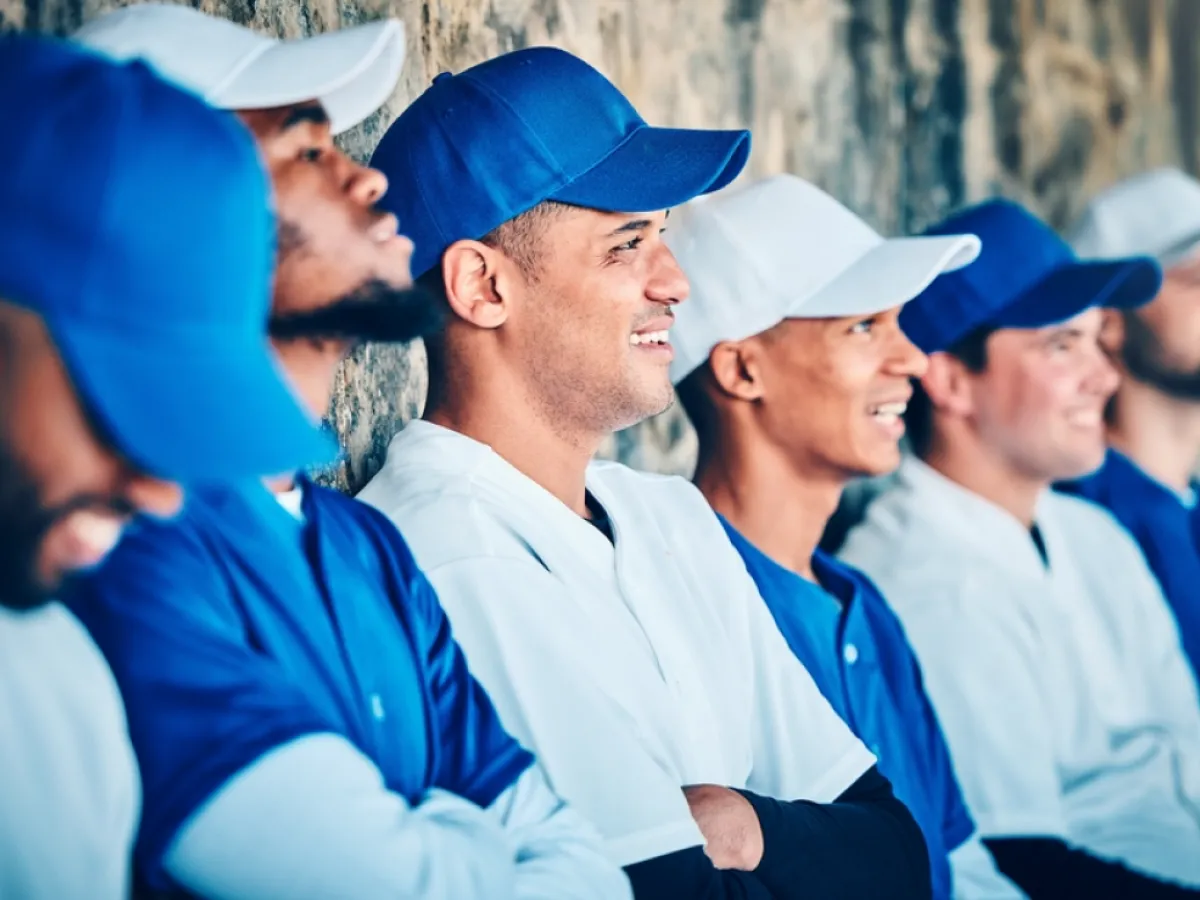
The locker room in sports is a sanctuary. What happens there, stays there. Or at least it should. It also often presents itself as a world where you need to be mentally and physically tough to be a part of it. We’re praised for pushing through pain, ignoring setbacks and maintaining composure under pressure.
While these are qualities that can be valuable in competition, they can also create an environment in which people are scared of showing vulnerability. Behind the image of strength, many players, coaches and support staff may be dealing with addiction in silence.
Addiction in sports culture can take many forms. Alcohol dependence, recreational drugs, opioid addiction, gambling problems and compulsive behaviours such as overtraining can all exist within teams and clubs. Yet these issues are often overlooked because sporting environments tend to reward performance above all else. If someone is still delivering results, warning signs may be ignored.
The locker room conversation, therefore, matters. It is the place where team culture is shaped, norms are reinforced, and difficult truths are either spoken about or buried.
Why Sport Can Increase Risk
Competitive sport creates unique pressures that often they thrive in, or at least so we think. Athletes face public scrutiny, selection uncertainty, injury fears, career insecurity and intense expectations from coaches, supporters and themselves. Even successful players can struggle with anxiety, loneliness or the constant fear of decline.
Substances and addictive behaviours may become coping mechanisms. Alcohol can be used to unwind after matches or numb disappointment. Gambling may offer excitement during downtime or the illusion of control. Painkillers may be misused to keep playing through an injury. Recreational drugs may be used to escape pressure or identity struggles away from the pitch.
Retirement or injury can heighten vulnerability further. When routine, status, and purpose suddenly disappear, some former athletes search for replacement outlets that quickly become harmful.
The Problem With Traditional Team Culture
Many sporting environments still operate under unwritten codes: do not show weakness, do not complain, and sort your own problems out. In some locker rooms, heavy drinking is normalised as bonding, while emotional distress is mocked or dismissed. Banter can create connection, but it can also silence those who need help.
This culture is especially dangerous for younger athletes trying to fit in. If they believe seeking support will make them look soft or unreliable, they are more likely to hide harmful behaviours until the problem becomes severe.
There can also be denial at the organisational level. Clubs may fear reputational damage, financial consequences or disruption to performance if addiction issues are acknowledged openly. As a result, support is reactive rather than preventative.
Starting Better Conversations
Addressing addiction in sport begins with changing how people talk. Honest conversation must replace stigma. Coaches and senior players play a crucial role because they shape what is acceptable within a team. When leaders speak openly about mental health, stress and the realities of coping under pressure, others are more likely to do the same.
Language matters. Describing someone as weak, reckless or lacking discipline oversimplifies addiction and discourages disclosure. Addiction is usually a complex interaction of stress, environment, psychology and behaviour. Treating it as a moral failure helps no one.
Regular well-being check-ins can also be effective. Rather than waiting for a crisis, clubs should create routine opportunities for players and staff to discuss life beyond performance.
Practical Support That Works
Education is essential. Athletes need clear information about the risks associated with alcohol, drugs, gambling and prescription medication misuse. They should also learn to recognise early warning signs in themselves and teammates, such as secrecy, mood changes, financial problems, isolation or declining behaviour.
Access to confidential professional support is equally important. Psychologists, counsellors and addiction specialists should be available without fear of punishment or loss of status. In some cases, family support networks can be valuable too, as addiction often affects those closest to the athlete.
Recovery plans must balance accountability with compassion. Consequences may sometimes be necessary, but punishment alone rarely solves the underlying issue.
Redefining Toughness
Sport has long celebrated physical courage, yet emotional courage can be harder to show. Admitting a problem, asking for help or supporting a struggling teammate requires a different kind of strength. That version of toughness deserves equal respect.
Healthy teams recognise that wellbeing and performance are not opposites. A player who feels supported is more likely to thrive than one living in secrecy and fear.
