

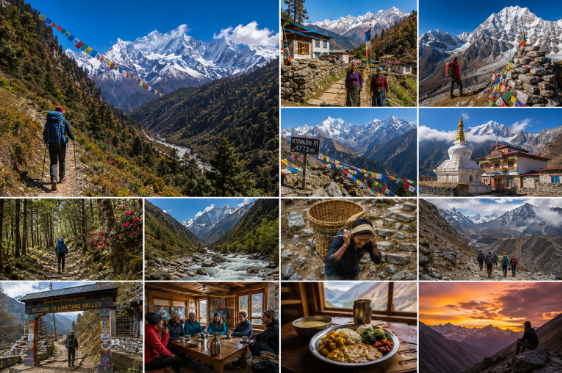
There is a specific kind of magic that happens when you step onto the trail in the Himalayas. It’s not just about the mountains; it’s about the way the air changes as you climb. For anyone looking to test their grit, following a solid Langtang Valley Trek Itinerary is the only way to truly experience the transition from the humid, emerald-green lowlands to the haunting, wind-whipped heights of the Kyanjin Gompa area. This isn’t some casual walk in the park; it’s a grueling, front-row experience where you’re dwarfed by the massive walls of Langtang Lirung, eventually pushing your way up into the raw, rocky world of the glacial moraines.
Moving Through Forests and Ancient Villages
The whole thing starts with a bone-rattling drive out of Kathmandu’s chaos and into the deep, steep-sided valley carved out by the Langtang Khola. You’ll find yourself hiking through thick, mossy forests of oak and rhododendron that smell like damp earth, only to round a corner and see the world open up into jagged granite cliffs and stands of ancient pine. Each day on the trail brings a completely new landscape and experience, reminding you to stay patient, humble, and respect the power of the mountains. Up here, the mountain doesn’t care how many hours you’ve spent in the gym; it forces you into this slow, almost meditative crawl just to give your lungs a fighting chance against the thin air. Spending time in the small Tamang villages along the route gives you a real understanding of strength, simplicity, and mountain life that no guidebook can truly explain.
The Importance of Strategic Acclimatization
In the settlement of Kyanjin Gompa, perched at 3,830 meters, acclimatization is the name of the game. Instead of just sitting around, most of us take the “climb high, sleep low” approach—hiking up to the rocky viewpoints of Tserko Ri or Kyanjin Ri before coming back down to sleep. These side trips are tough on the legs, but they are the secret to surviving the higher altitudes without getting hit by altitude sickness.
Conquering the High Alpine Terrain
Reaching the higher reaches of the valley is an experience that stays with you forever. When you finally reach those high ridges, draped in thousands of weathered prayer flags, the view of the surrounding peaks is almost overwhelming. It’s a moment of pure silence and raw power. As you descend back into the valley, everything around you begins to change again—from the dry mountain terrain to greener landscapes, warmer air, and a completely different feeling on the trail. The air gets thin and bone-dry, and the scenery trades those deep, emerald forests for a rugged, sun-scorched terrain that feels way more like the high deserts of Tibet than the jungle-clad hills you were sweating through just a few days ago.
Lessons from the High Trails
What truly stands out is the way local people live in harmony with the mountains, showing a quiet respect for the powerful landscape that shapes their daily lives. There’s no friction between the Buddhist prayer flags and the local shrines; they just sit there together, sharing the same jagged rocks like it’s the most natural thing in the world. Watching someone haul a massive wicker basket up a vertical slope with a genuine grin really recalibrates your brain on what “hard work” actually looks like. These regions aren’t just places you visit; they are a wake-up call on how people can actually build a life in a corner of the world that feels like it’s trying to freeze you out.
Ensuring Safety with Expert Guidance
To be honest, trying to wing a trip with this many moving parts is a recipe for disaster. Between chasing down permits and staying safe when a sudden Himalayan storm rolls in, having a solid support system is non-negotiable. It’s the difference between a trip you endure and a trip you actually enjoy. A lot of trekkers lean on World Alpine Treks because they bring that perfect mix of local grit and the kind of personalized care that makes you feel like more than just another tourist on the trail.
Navigating Logistics and Planning
It is imperative that a Himalayan trekking itinerary is carefully planned for a safe and enjoyable trek. While the Himalayan regions offer some of the country’s most remote locations, navigating permits, transport, hotels and guides can sometimes be tricky, selecting the perfect trekking company in Nepal can make a huge difference. If you are researching the Langtang Valley trek cost or are comparing the cost with other popular treks, you will be better informed and get a better grasp on how to plan and make this trek’s budget work for you.
A good trekking company makes more than just booking Teahouse lodging. Sage guides offer to be navigators, cultural translators, and trustworthy partners on the journey. They know the local trails very well and the weather like, as well as knowledge they have of altitude related issues, which helps safety and comfort on the trek. Expert handling of disposal details means that trekkers can savour the stunning scenery, cultural richness and memorable adventures the Himalayas has to offer.
Reflecting on a Transformative Journey
By the time you’re back down in the bamboo thickets on the final stretch toward home, something has shifted. Whether you’re face-deep in a hot bowl of soup or just walking in silence, that crisp mountain air does a number on your head—it clears out the clutter. By the time the trek ends, you stop caring about how many miles you walked or what your tracking app says. What stays with you are the difficult moments you pushed through and the memories you’ll keep talking about long after you return home.
