

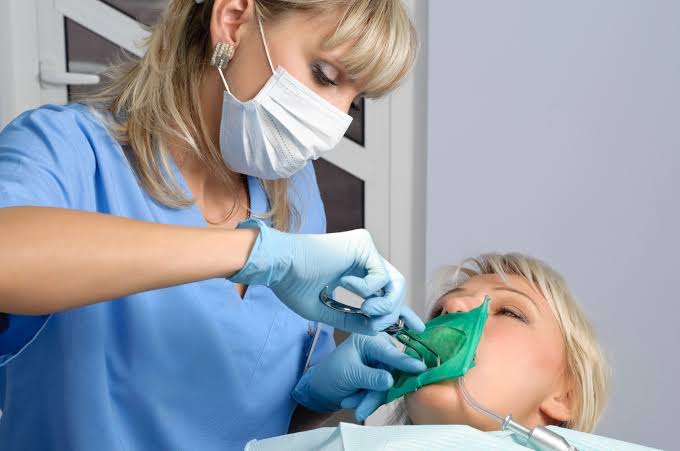
You might be feeling worn out and a little confused. You brush, you floss, you show up for your cleanings, yet you still wake up tired, grind your teeth, or struggle with headaches and jaw tension. Maybe your child snores, breathes through their mouth, or has been labeled “restless” or “distracted” at school, and you are quietly wondering if something is being missed. With Santa Rosa holistic dental care, you can begin to explore whether there’s an underlying issue connecting these symptoms.end
Because of this tension, you might wonder if your teeth are only part of the story. You are right to wonder. Your airway, the way you breathe day and night, is deeply connected to your dental health, your sleep, and your overall energy. A whole-body approach to general dentistry that focuses on airway health is not about chasing one symptom. It is about understanding how the structure of your mouth and jaws can support easy, healthy breathing.
In simple terms, here is the big picture. When your dentist pays attention to your airway, they are not just counting teeth. They are looking at how you breathe, how you sleep, and how your teeth and jaws are affecting your body. This can mean earlier detection of sleep related breathing issues, gentler solutions for snoring and sleep apnea, and better outcomes for both adults and children. That is the heart of airway centered general dentistry.
Why is my dentist talking about my breathing and sleep?
It often starts with something small. You mention that you wake up with a dry mouth. Your partner reports that you snore or stop breathing for a moment at night. Your child’s teeth are crowded, or they sleep with their mouth open. It can feel strange when a dentist begins asking questions about your sleep, mood, or energy, yet those questions are not random.
When the upper and lower jaws are narrow or set back, the tongue and soft tissues can crowd the space where air needs to flow. This can contribute to snoring and obstructive sleep apnea. The American Dental Association recognizes that dentists have an important role in spotting and helping manage these issues. You can read more about that connection in their overview of obstructive sleep apnea and oral health.
So where does that leave you? If your airway is compromised, your body works harder just to get enough oxygen. You may clench and grind to stabilize your jaw. You may sleep lightly and wake unrefreshed. Over time, this can affect blood pressure, weight, mood, and even your willingness to be active with your family. It is not “all in your head.” It is in your airway.
When airway problems hide behind “normal” dental issues
Here is where the frustration often grows. You might have tried nightguards for grinding, orthodontics for crowding, or medication for headaches, yet the relief is incomplete or temporary. If the airway issue underneath those symptoms is not addressed, it is like bailing water without finding the leak.
Consider a common “what if” scenario. An adult patient has had years of fillings and crowns, along with a nightguard for grinding. They still wake exhausted, they snore loudly, and they struggle with blood pressure. A dentist who understands airway centered care looks beyond the teeth. They ask detailed sleep questions, examine the jaw position, tongue posture, and palate shape, and may work with a sleep physician to evaluate for sleep apnea. The American Dental Association’s policy on dentistry’s role in sleep related breathing disorders outlines how dental teams can collaborate in this way.
For children, the story can be even more emotional. A child who snores, mouth breathes, wets the bed, or struggles with attention might simply be labeled as “difficult” or “hyperactive.” Yet the American Academy of Pediatric Dentistry describes how pediatric dentists can help identify and co-manage conditions like pediatric sleep apnea. You can see these connections in their guideline on obstructive sleep apnea in children.
Because of this, a dentist who focuses on airway health will look at much more than cavities. They will pay attention to how the lips close, how the tongue rests, how the dental arches are shaping the airway, and how all of this might be affecting sleep and behavior. This is where a breath focused general dentist can change the trajectory of a child’s growth, not just their smile.
How does airway centered dentistry compare with “traditional” care?
You might be asking yourself whether this is truly different from the dental care you have always known, or if it is just a new label. The difference often lies in what questions are asked, what is measured, and what gets treated as “normal” versus “worth investigating.”
The table below offers a simple comparison to help you sort through what you might experience with a more airway aware approach versus a more symptom focused one.
| AREA OF CARE | SYMPTOM FOCUSED GENERAL DENTISTRY | AIRWAY FOCUSED GENERAL DENTISTRY |
| Primary goal | Fix cavities, relieve pain, restore damaged teeth | Protect teeth while also supporting healthy breathing and sleep |
| Typical questions | Where does it hurt, how sensitive is this tooth, do you floss | Do you snore, wake tired, breathe through your mouth, or grind your teeth at night |
| Examination focus | Individual teeth, gums, obvious bite problems | Teeth, gums, jaw position, tongue posture, palate width, airway space |
| Approach to grinding | Nightguard to prevent wear | Nightguard if needed, plus evaluation of airway and sleep quality |
| Children’s care | Watch crowding, treat cavities, braces when older | Early look at breathing, mouth posture, and growth to support both airway and alignment |
| Collaboration with medical providers | Occasional referrals for complex cases | Regular collaboration with sleep physicians, ENTs, and pediatricians when breathing issues are suspected |
This does not mean that one approach is “bad” and the other “perfect.” It simply highlights that when airway health is part of the picture, your dentist is more likely to connect the dots between your mouth, your breathing, and your overall well being.
What can you do right now if you are worried about your airway?
If you are feeling a mix of relief and worry as you read this, that is very normal. Relief, because things finally make sense. Worry, because you are not sure what to do next. You do not need to have all the answers today. You only need a next step.
- Start by observing your own or your child’s breathing and sleep
For a week or two, quietly pay attention. Do you snore, wake with a dry mouth, grind your teeth, or wake up multiple times at night. Do you rely heavily on caffeine just to function. For a child, notice if their lips are open at rest, if they snore, toss and turn, wet the bed, or seem groggy or irritable in the morning. You can jot your observations down. This simple record gives your dentist and doctor a clearer picture than a quick description in the chair.
- Ask your dentist specific airway related questions
At your next visit, you can say something like, “I have been waking very tired and I noticed I snore. Could my teeth or jaw be affecting my airway or sleep.” Or, for a child, “My child snores and breathes through their mouth. Can you check whether their jaw and palate are affecting their breathing.” A dentist who understands airway centered care will examine the shape of your arches, your bite, your tongue posture, and may recommend further evaluation for sleep apnea or other breathing issues. If your current office does not address these concerns, you can explore a general dentist with an airway and whole-body focus who does.
- Be open to a team approach, not a single quick fix
Airway issues can involve multiple parts of the body. Often the best results come from a team that might include a sleep physician, ear nose and throat specialist, myofunctional therapist, and your dentist. This can feel overwhelming at first. Remember that each provider is addressing a piece of the same puzzle. You can ask how each recommendation supports better breathing and sleep, and how dental treatment, such as jaw development, oral appliances, or bite adjustments, fits into the bigger picture.
Moving forward with clarity and care
You do not have to choose between a healthy smile and healthy sleep. A thoughtful airway aware general dentist understands that your teeth, jaws, and breathing are deeply connected. By asking new questions and looking a little more closely, your dental care can support better rest, steadier energy, and a calmer mind for you and your family.
As you consider your next step, remember that your concerns are valid. Waking up tired, watching a child struggle to breathe comfortably at night, or feeling lost after “normal” test results is exhausting. There are answers, and they often begin in places you might not expect, like a careful look at your airway in the dental chair.
You deserve care that sees the whole you, not just your teeth. When your breathing and your bite are both supported, your body has a better chance to do what it is built to do. Rest, repair, and carry you through your days with more ease.
