

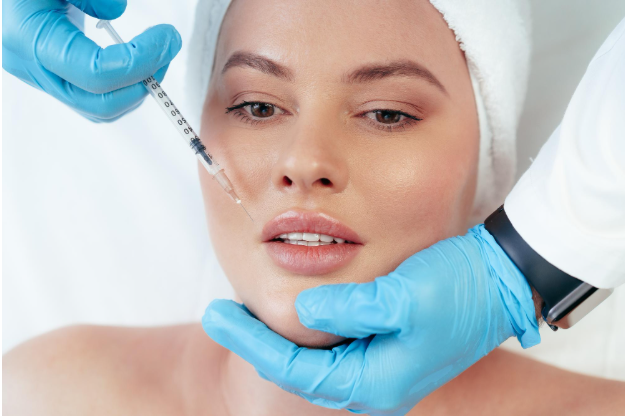
Facial volume can change gradually, leaving certain areas looking less defined, tired, or uneven. Fine lines may become more noticeable as the skin loses structural support. Injectable fillers are designed to address selected concerns by restoring volume beneath the skin while supporting smoother facial contours. It remains a medical procedure requiring careful assessment and precise placement.
For people considering dermal fillers Dubai, understanding the procedure before scheduling an appointment can support an informed decision. Results depend on facial anatomy, the treatment area, product selection, and the amount used. A personalized approach can help preserve natural proportions instead of producing an excessively altered appearance.
What Are Dermal Fillers and How Do They Work?
Dermal fillers are injectable substances placed beneath the skin to create volume, soften selected lines, or refine facial contours. Treatment planning should reflect the intended area and individual anatomy. The objective is to place volume where support or contour correction may be needed.
A consultation allows a practitioner to assess facial structure, skin condition, existing volume, and aesthetic goals before developing a plan. This assessment can also determine whether an injectable approach is appropriate. Product choice, quantity, injection technique, expected duration, and potential limitations should be discussed before treatment.
Areas That May Be Treated
Depending on clinical assessment and the selected product’s approved use, fillers may enhance areas such as the cheeks, lips, chin, and facial lines. They may also address certain contour deficiencies associated with volume loss. Exact injection sites and quantities should be determined by a qualified medical professional.
Why Product Selection Matters
Filler products can differ in composition, consistency, longevity, and approved indications. Many are temporary because the body gradually absorbs their materials. A practitioner should explain the selected product, intended treatment area, expected duration, potential benefits, and limitations before injections are performed.
The Role of Facial Proportion
Facial aesthetics depend on relationships between features rather than one isolated area. Adding volume without considering surrounding structures can affect overall balance. Planning therefore considers symmetry, existing contours, skin characteristics, and the patient’s preferred degree of change before treatment begins.
Why Precision Is Essential
Injection technique matters because fillers are placed within specific tissue planes and near important anatomical structures. Accurate placement supports controlled contouring while helping reduce avoidable complications. Medical training and an appropriate clinical setting are important parts of responsible treatment.
What Can Patients Expect During the Treatment Process?
The process generally begins with consultation rather than immediate injection. Facial structure, skin condition, goals, medical history, allergies, medications, and previous procedures may be relevant. The practitioner can then determine whether treatment is appropriate and establish realistic expectations.
Preparation should include a discussion of possible side effects and aftercare. Temporary swelling, redness, tenderness, or bruising can occur after injections and commonly settle over time. Patients should receive recovery instructions.
Important considerations include:
- The treatment area and desired degree of correction
- The product selected and its intended indication
- Previous filler or cosmetic treatment history
- Current medications and relevant medical conditions
- Expected recovery and follow-up requirements
Which Concerns Can Facial Fillers Address?
Volume loss can influence facial contours, while certain lines and folds may become more prominent as underlying support changes. Injectable fillers can provide volume in selected areas and create a smoother or fuller appearance. Results depend on the product, technique, tissue characteristics, and amount administered.
Treatment should remain proportionate to the patient’s features. The objective may be subtle contour refinement rather than dramatic transformation. Assessment helps identify where added volume may improve balance.
Restoring Facial Volume
Loss of volume can affect the cheeks and other contours, making features appear less defined. Carefully placed filler can restore some fullness and improve relationships between adjacent areas. Correction should be guided by anatomy and the intended outcome.
Refining Contours
Some patients seek improved definition rather than greater fullness. Strategic placement may refine selected contours when clinically appropriate. The practitioner determines injection points and quantity according to facial structure, product characteristics, and the desired result.
How Can Results Be Kept Natural?
Natural-looking outcomes begin with realistic expectations. Injectable treatment cannot stop the aging process, nor should it be presented as a permanent answer to every facial concern. The aim is controlled refinement that complements features.
Overcorrection can make an outcome appear less harmonious, which is why treatment planning should focus on balance. Follow-up can help assess the result after initial swelling settles.
A thoughtful plan can prioritize:
- Proportion between treated and untreated areas
- Conservative volume where appropriate
- Individual facial anatomy
- Clear expectations about temporary effects
Safety, Recovery, and Aftercare
Although injectable fillers are minimally invasive, they are not risk-free. Common short-term effects include swelling, redness, bruising, pain, tenderness, itching, and rash. Less common complications include infection, inflammation, nodules, and allergic reactions. Relevant medical conditions and allergies should be disclosed during consultation.
One serious complication occurs when filler unintentionally enters a blood vessel, potentially compromising blood supply. Rare consequences can include tissue injury, vision problems, or stroke. Choosing a qualified medical provider with knowledge of facial anatomy and complication management is essential, while unusual or severe symptoms require prompt medical assessment.
Final Thoughts
Could a carefully planned injectable treatment provide subtle facial refinement without changing the person’s overall character? That question is best answered through an individualized medical consultation covering facial structure, skin condition, goals, and suitability. For those exploring dermal fillers in Dubai, Queens Medical Center provides filler treatment through certified filler doctors, with consultation, facial assessment, detailed mapping, precise application, and aftercare support.
Its aesthetic and skin care services also include Hydra Facial, scar treatment, mesotherapy and PDRN treatment, peptide therapy, exosome therapy, fractional laser, Fotona4D facelift, skin boosters, RF microneedling, and skin peeling. This range supports discussions focused on the patient’s specific concern. A consultation can help identify an appropriate path while keeping safety, proportion, and realistic expectations central.
