

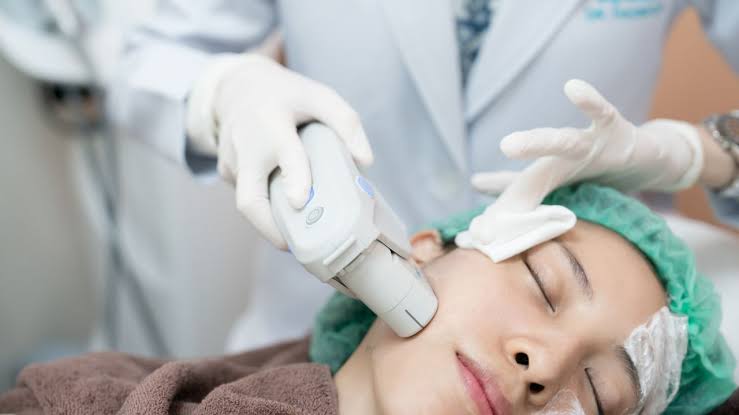
Faces sag from gravity, and signs come on slow. Jaw lines droop, cheeks descend, and the skin below the chin loses the crispness of profile. Once the sole outlet for reliable results was surgery, but nowadays a host of nonsurgical lifts promise quicker recovery with a tighter contour. HIFU is one of the more buzzworthy of these, but its mode of working and results are quite different from other alternatives.
“It’s a good idea to have a doctor recommend a method based on an assessment of your skin laxity, bone structure, and goals, so book a consultation at an aesthetic clinic in Singapore if you’re weighing these options.” It all depends on which layer of tissue needs to be treated, and this guide breaks down those differences in layman’s terms.
How Does Skin Lifting Work?
The more support structure in skin you have, the more lifted your skin will look. These include collagen in the dermis, a fibrous “net” of tissue called the superficial muscular aponeurotic system (SMAS), and fat compartments that move with age.
Why Faces Sag
Around our late twenties, we start producing less collagen and elastin. Bone density changes, and fat pads move downward. And it’s accelerated with weight gain/loss, sun exposure, and genes.
3 Treatments Target 3 Different Layers
Some treatments target the surface, some target the dermis, and a few target the SMAS. Thus, most of the variations in results and downtime are due to the layer a treatment treats.
HIFU: What Does It Mean?
High-intensity focused ultrasound (HIFU) It uses focused ultrasound energy to reach at focused depths below the skin, never cutting or damaging the skin surface.
How Does HIFU Work?
It forms tiny thermal-coagulation points of concentrated energy at depths of 1.5, 3, and 4.5 mm. The deepest is aimed at the SMAS, the layer which surgical facelifts manipulate. The body reacts by generating fresh collagen that slowly raises and tightens the area.
What to Expect During a Session
In addition, treatment times (30 to 90 minutes, depending on the area) vary. Most experience warmth, tingling, or a short sharp sensation. There is minimal downtime, but you may have some redness or soreness for a day or two.
When You See Results
You must remodel the collagen. Most people see initial tightening in weeks and peak results in two to three months. Results generally last 6 to 12 months, depending on your age and lifestyle.
Alternative Lifting Treatments: How Do They Compare?
They all use different depths and types of energy.
Radiofrequency Skin Tightening
Radiofrequency uses electricity to tighten the dermis. But generally it doesn’t travel as far as HIFU: It tightens mild-to-moderate sagging and evens out texture. Sessions tend to feel like a warm massage, and most protocols involve several visits.
Thread Lifts
Threads are dissolved under the skin and physically lift tissue and stimulate collagen, inserted by doctors. Threads have an instant effect, unlike devices that involve energy. Side effects include swelling, bruising, and tenderness, which will last for the lift (1 to 2 years).
Fractional Lasers
Lasers resurface and build up the dermis. They treat fins, texture, and mild laxity but not the SMAS. They are ideal for someone more worried about skin quality than sagging.
Skin Fillers
Fillers replace lost volume and add product to reshape contours. They have an indirect lifting effect, because filling in volume loss can correct sagging appearance. They don’t have a firm structure as energy devices do.
Comparison Side by Side
This side-by-side comparison shows the differences:
- HIFU: Uses ultrasound to lift the SMAS gradually with little downtime.
- Radiofrequency: Best suited for mildly tightening effects with heating of the dermis, a series or maintenance plan.
- Thread lifts: Instant mechanical lift, but with more swelling and downtime.
- Fractional lasers: Great for texture and fine lines, but offer minimal lifting.
- Fillers: Recreate volume and contour but have little tightening ability.
Which Treatment Is Right for Whom?
This depends on how lax you are and how you bounce back.
Slight to Moderate Sagging
People in their thirties, forties, and fifties with mild jowls or soft jawlines can often have great results with HIFU or radiofrequency. Remember that these are tightening treatments and will not add volume or shape to the face.
Mild to Moderate Skin Laxity
Severe sagging will require surgery, combination plans, or threads. Here’s where HIFU can help but may not be enough. Doctors aren’t wishy-washy if a procedure fails at the goal.
HIFU Is Not for Everyone!
People with active skin infections, metal in the treatment area, and open cuts should wait for another treatment or consider other treatments. Pregnant and breastfeeding women are also best advised to wait.
Safety and Risks
With any lifting technique there is some risk. HIFU can cause temporary swelling, numbness, or bruising and can occasionally cause nerve irritation or burns due to poor technique. Risk of threads: thread visibility, infection, asymmetry. These risks are substantially minimised by having a skilled operator and having approved, legitimate devices. Buy an authorised Health Sciences Authority-approved device and go to an approved doctor to carry out the treatment.
Risks of Fake Devices
In some markets, there may be many fake devices producing erratic energy. If your doctor recommends treatment, ask what device is used and check the brand.
Understand What Is Possible
Nonsurgical lifting is about sculpting, not transformation. The results depend on your age, skin quality, and lifestyle and will wear off as you continue to age. Many doctors will recommend some maintenance treatments or the combination of HIFU with other treatments for stronger results. Daily sunscreen, adequate protein intake, and weight stability will help prolong results.
Finding the Best Match
Weigh the depth of treatment, downtime, and length of results before making your decision. Ask for a written plan explaining why a doctor recommends any given method, how many sessions would be expected, and total cost. Beware any provider who claims he or she can achieve surgical results in one session.
Here’s a Quick Summary of Lifting Options
Radiofrequency, threads, laser, and fillers treat other concerns, but HIFU focuses on deep layers of tissue without surgery. There is no one best treatment, and the best results are often achieved by matching the treatment modality to the specific tissue problem. Nonsurgical lifting, combined with skin care, can offer a little break in your schedule if performed by the right physician and when you manage your expectations, resulting in a firm and sculpted glow.
