

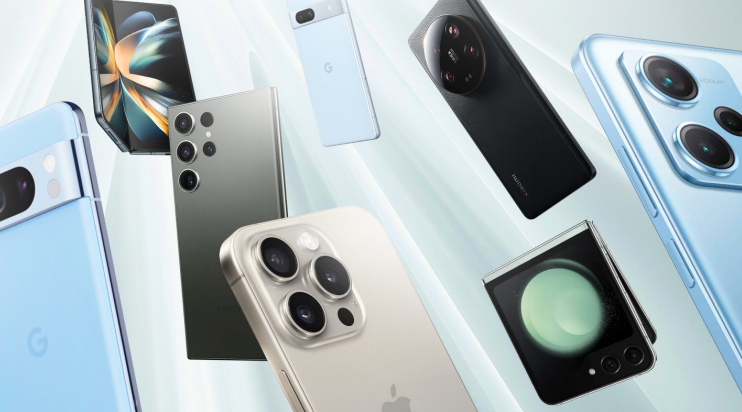
In the digital age, where smartphones are ubiquitous, the way we communicate and share our stories has undergone a significant transformation. From sharing mundane moments to capturing breathtaking landscapes, the smartphone camera has become an indispensable tool for visual storytelling. While selfies have long dominated the narrative, the capabilities of smartphone cameras extend far beyond mere self-portraits. In this article, we delve into the evolving role of smartphone cameras in visual storytelling, exploring their impact on creativity, accessibility, and the democratization of photography.
The Democratization of Photography:
Traditionally, photography was considered an art form accessible only to those with specialized equipment and technical expertise. However, the advent of smartphone cameras has democratized photography, allowing anyone with a smartphone to become a visual storyteller. With intuitive interfaces and automatic settings, smartphones have lowered the barriers to entry, empowering individuals to capture and share moments from their everyday lives. This democratization has led to a diversification of perspectives, as people from all walks of life contribute to the visual tapestry of human experience.
Creativity Unleashed:
While early smartphone cameras were limited in their capabilities, advancements in technology have unlocked a world of creative possibilities. From manual controls to sophisticated editing tools, modern smartphones offer users a plethora of features to experiment with. HDR (High Dynamic Range) imaging, portrait mode, and night mode are just a few examples of the innovations that have revolutionized smartphone photography on smartphonemag.com, allowing users to capture stunning images in various conditions. Additionally, the rise of accessory lenses and external apps further expand the creative potential of smartphone cameras, enabling users to achieve professional-quality results without the need for bulky equipment.
The Rise of Visual Storytelling:
In today’s digital landscape, visual storytelling has emerged as a powerful medium for communication and expression. Social media platforms like Instagram, Snapchat, and TikTok have transformed the way we share narratives, with images and videos often speaking louder than words. Smartphone cameras play a central role in this phenomenon, serving as the primary tool for capturing and sharing visual content. Whether it’s documenting travel adventures, chronicling daily life, or advocating for social change, smartphone cameras enable individuals to tell their stories with authenticity and immediacy.
Accessibility and Inclusivity:
One of the most profound impacts of smartphone cameras on visual storytelling is their ability to amplify voices that were previously marginalized or overlooked. The portability and affordability of smartphones make them accessible to people from all socioeconomic backgrounds, including those in underserved communities and developing regions. As a result, smartphone photography has become a platform for underrepresented groups to share their experiences, challenge stereotypes, and advocate for social justice. Additionally, features like voiceover narration and alt-text descriptions enhance the accessibility of visual content for individuals with disabilities, ensuring that everyone can participate in the conversation.
The Ethical Implications:
While smartphone cameras offer unprecedented opportunities for visual storytelling, they also raise important ethical considerations. The ease of capturing and sharing images has blurred the lines between public and private spaces, raising concerns about consent, privacy, and surveillance. Issues such as photo manipulation, digital manipulation, and the spread of misinformation further complicate the ethical landscape of smartphone photography. As visual storytellers, it is crucial to uphold ethical standards, respect the dignity and rights of our subjects, and critically evaluate the impact of our work on individuals and communities.
Looking Ahead:
As technology continues to evolve, the role of smartphone cameras in visual storytelling will undoubtedly continue to evolve as well. From augmented reality to computational photography, the future promises even more exciting innovations that will push the boundaries of creativity and expression. However, amidst the rapid pace of technological advancement, it is essential to remember the fundamental principles of storytelling – authenticity, empathy, and human connection. Ultimately, whether we are capturing selfies or sweeping landscapes, the true power of smartphone cameras lies in their ability to bridge cultures, spark conversations, and illuminate the shared experiences that unite us all.
Conclusion:
The evolution of smartphone cameras has transformed visual storytelling, empowering individuals to capture and share their stories with the world. Beyond selfies, smartphone cameras have become powerful tools for creativity, accessibility, and inclusivity, democratizing photography and amplifying diverse voices. As we navigate the ethical complexities and embrace future innovations, let us continue to harness the power of smartphone cameras to inspire, inform, and connect with one another in meaningful ways. In the ever-expanding landscape of visual storytelling, the possibilities are limitless, and the journey is just beginning.
