

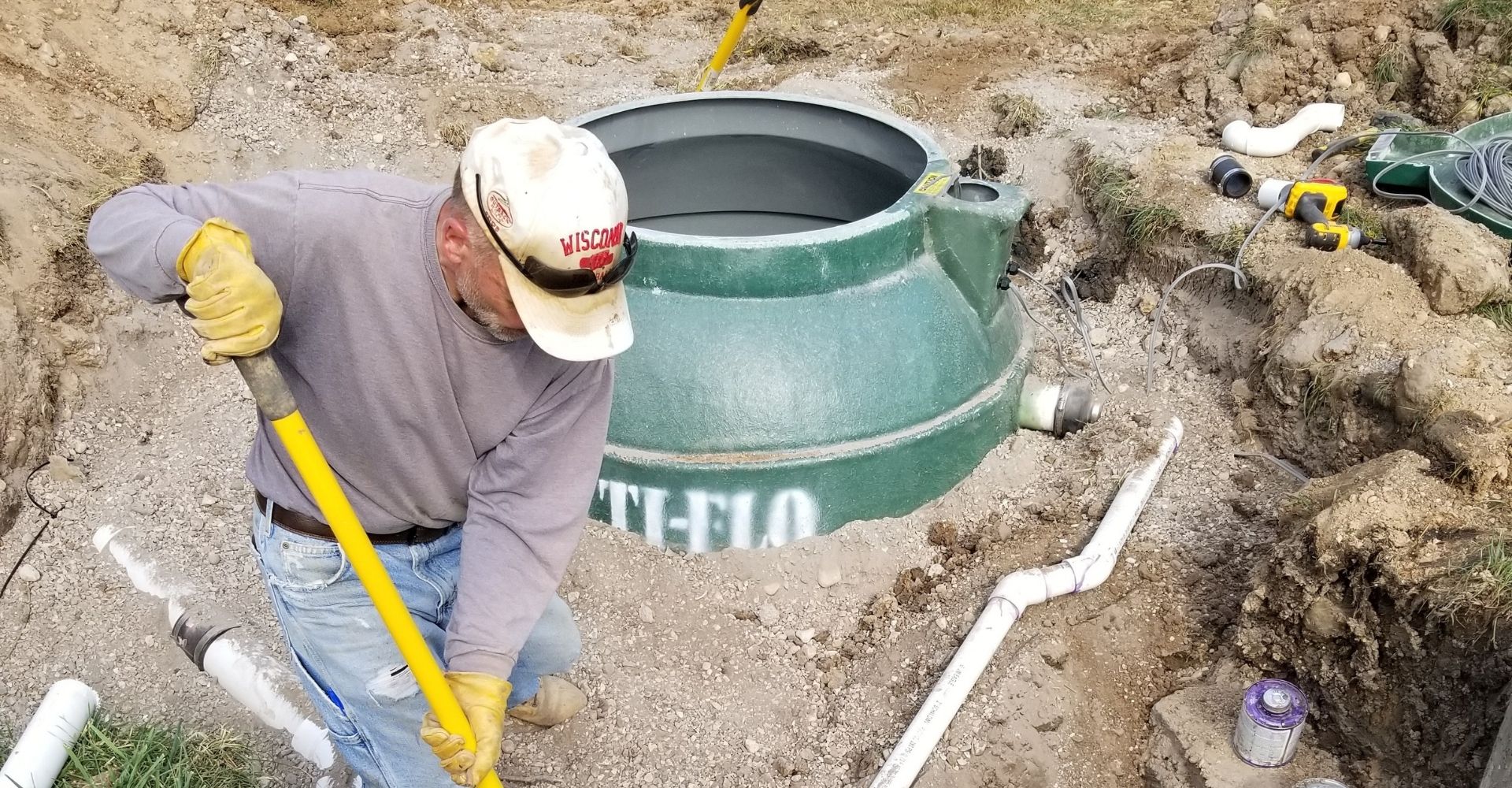
In the serene suburbs of Cleveland, maintaining a septic system demands diligence and awareness. Cleveland plumbers recognize the unique challenges homeowners face in preserving these vital systems. From the relentless Ohio weather to the peculiar soil compositions, effective maintenance is crucial. This post unveils essential practices to uphold septic system health amidst Cleveland’s distinct conditions.
Challenges of Septic System Maintenance in Cleveland
1. Soil Composition
Cleveland’s soil, characterized by its clay-heavy nature, hampers proper drainage, increasing the risk of septic system inefficiency. Compacted clay soils restrict water flow, potentially leading to backups or slow drainage issues within the system. Homeowners may need to consider soil amendments or alternative drainage solutions to improve system performance in such conditions.
2. Weather Factors
The city’s erratic climate, spanning freezing winters to humid summers, exerts considerable stress on septic systems. Freezing temperatures can cause water in the system to freeze, leading to blockages and potential damage. In summer, heavy rainfall may oversaturate the soil, compromising the system’s ability to absorb wastewater effectively. Implementing protective measures, such as insulating pipes and tanks against freezing and managing surface water runoff, is crucial for mitigating weather-related risks.
3. High Water Table
Cleveland’s proximity to Lake Erie contributes to a high water table, particularly in coastal areas. This elevates the risk of groundwater seepage into the septic system, increasing the likelihood of backups, flooding, and contamination. Homeowners must implement measures to mitigate this risk, such as proper insulation and maintenance of septic tank seals. Additionally, regular monitoring of groundwater levels and timely repairs of any leaks are essential to prevent water table-related issues.
4. Age of Infrastructure
Many homes in Cleveland feature aging septic systems, which are more susceptible to deterioration and malfunction. Over time, components such as pipes, tanks, and leach fields may degrade, leading to leaks, clogs, or complete system failure. Regular inspections, timely repairs, and upgrades are essential to ensure the continued functionality and longevity of older septic systems. Homeowners should also consider investing in modernization efforts, such as retrofitting systems with advanced treatment technologies, to improve performance and environmental impact.
Seasonal Maintenance Checklist for Homeowners
1. Spring
As the weather warms, schedule a professional inspection from Plunger Plumber to assess any winter damage and pump the tank if necessary. Check for signs of leaks or odors, and address any issues promptly to prevent further damage or contamination of the surrounding area.
2. Summer
Monitor water usage closely, especially during periods of heavy rainfall, to prevent overloading the system. Inspect the drain field for any signs of saturation, such as standing water or foul odors, which may indicate drainage issues that need attention.
3. Fall
With the changing foliage, remove any leaves or debris from the vicinity of the septic system to prevent clogs and ensure proper airflow. Consider adding a layer of insulation to protect against freezing temperatures, particularly in colder climates, to prevent damage to pipes and the septic tank.
4. Winter
As temperatures drop, insulate exposed pipes and the septic tank to prevent freezing, which can lead to costly repairs and system downtime. Additionally, minimize water usage during the winter months to reduce the strain on the system and prevent overloading, especially during periods of heavy snowfall or freezing conditions.
Tips for Preserving Septic System Health
1. Regular Pumping
Schedule routine pumping every 3-5 years to prevent buildup of solids and maintain optimal functioning. Over time, organic matter accumulates in the septic tank, leading to decreased capacity and potential blockages. Regular pumping ensures efficient waste decomposition and reduces the risk of system failure or backups.
2. Water Conservation
Install low-flow fixtures and appliances to reduce water usage, easing the workload on the septic system. Excessive water usage can overwhelm the system, leading to hydraulic overloading and decreased treatment efficiency. By conserving water, homeowners not only reduce strain on the septic system but also save on utility bills and contribute to environmental sustainability.
3. Proper Disposal
Avoid flushing non-biodegradable items or harsh chemicals down the drains to prevent clogs and damage to the system. Items such as feminine hygiene products, paper towels, grease, and chemical cleaners can obstruct pipes and disrupt the natural biological processes in the septic tank. Proper disposal of waste ensures smooth operation and prolongs the lifespan of the system.
4. Regular Inspections
Schedule annual inspections by qualified professionals, such as Plunger Plumber, to catch any potential issues early and prevent costly repairs. Professional inspections involve a thorough evaluation of the entire septic system, including tanks, pipes, and drain fields, to identify signs of damage, leaks, or deterioration. Early detection allows for timely intervention and proactive maintenance, preserving the integrity and functionality of the septic system for years to come.
Conclusion
In the heart of Cleveland, preserving the health of septic systems is a shared responsibility. By adhering to proactive maintenance practices and seeking guidance from experienced plumbers in Cleveland Ohio, homeowners can safeguard their investments and ensure the longevity of their septic systems amidst the city’s unique challenges. Remember, a well-maintained septic system not only protects your property but also contributes to the environmental health of the community. Trust in the expertise of local plumbers in Cleveland Ohio, such as Plunger Plumber, to guide you towards a seamless and sustainable maintenance routine.
