

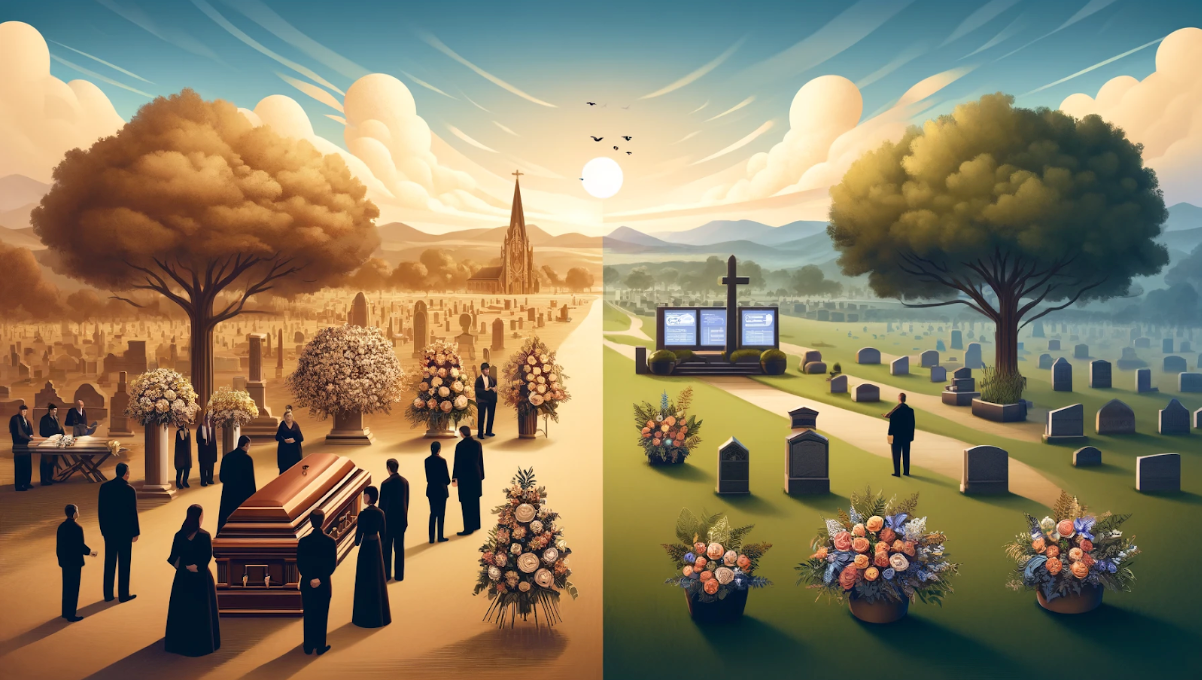
When it comes to saying a final farewell to a loved one, families face many decisions, many of which revolve around the type of funeral service to choose. The choice between traditional and modern funeral options can be challenging, as each has its own customs, expenses, and emotional impacts. Understanding these differences can help you make an informed decision that aligns with the deceased’s values and wishes.
This blog will explore the critical aspects of traditional and modern funeral options to help you navigate this vital choice.
Traditional Funeral Options
1. Ceremonial Practices
Traditional funerals typically involve ceremonial practices rooted in cultural and religious traditions. These often include a wake or viewing, a formal service at a place of worship or funeral home, and a graveside ceremony. The structured nature of traditional funerals provides a familiar framework for mourning and allows for communal support.
2. Formal Attire and Etiquette
Attending a traditional funeral usually entails adhering to specific dress codes, such as wearing formal, dark clothing. There are also established protocols for behavior and participation during the service. These customs can offer a sense of solemnity and respect, creating a fitting atmosphere for honoring the deceased.
3. Burial and Memorialization
Burial is the most common method of interment in traditional funerals. This involves placing the deceased in a casket buried in a cemetery. Families often purchase headstones or other memorial markers to commemorate the life of their loved one. These physical memorials provide a permanent place for remembrance and reflection.
Modern Funeral Options
1. Flexibility and Personalization
Modern funerals offer a high degree of flexibility and personalization, allowing families to create a service that truly reflects the personality and wishes of the deceased. This can include unique venues, such as gardens, beaches, or even homes, and incorporate elements like music playlists, video tributes, and personalized eulogies.
2. Green and Eco-Friendly Funerals
As environmental awareness grows, many are opting for green funerals. These eco-friendly alternatives minimize the environmental impact by using biodegradable materials for caskets, opting for natural burials without embalming, and choosing cremation with environmentally-friendly urns. This approach aligns with the values of sustainability and conservation.
3. Digital and Virtual Services
In the digital age, funerals have also evolved to include virtual and hybrid services. Live streaming allows friends and family worldwide to participate in the ceremony in real time, fostering a sense of connection despite physical distances. Online memorials and social media tribute pages offer additional platforms for sharing memories and condolences.
Choosing between traditional and modern funeral options involves considering various factors, including cultural traditions, personal values, and environmental impact. Both approaches offer unique benefits and can be tailored to honor the memory of your loved one in meaningful ways. Whether you opt for a time-honored ceremony or a personalized, eco-friendly service, understanding your funeral options is essential in making the best decision for your family. Additionally, incorporating elements like custom engraved urns can add a personal touch to the memorial, ensuring a lasting tribute to the departed.
