

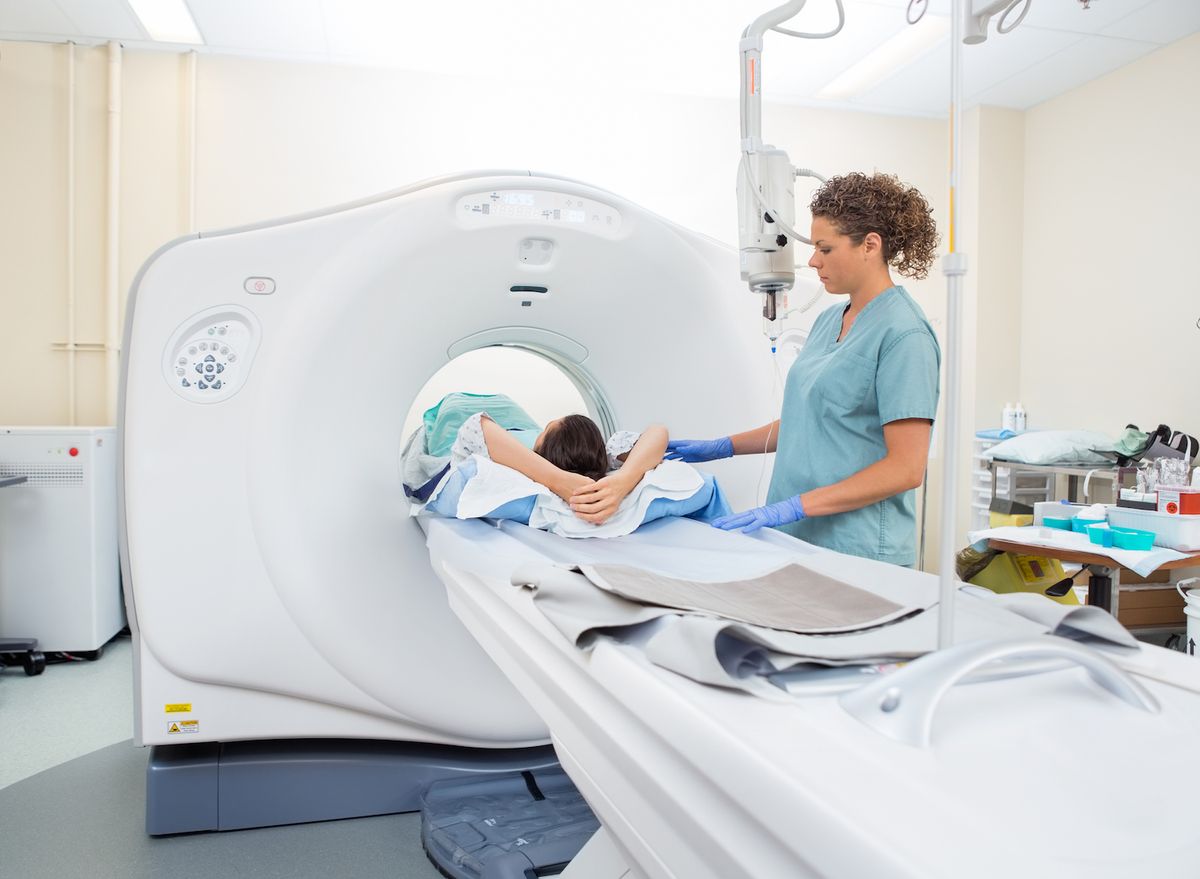
Pregnancy is a very delicate period for the new mother and the unborn child. A fetus is more vulnerable to potential adverse radiation effects than adults; therefore, any form of medication, treatment, or diagnostic tests are forbidden unless recommended by your doctor. A CT scan is especially not recommended during pregnancy because the scan potentially increases risk of exposure to radiation at levels comparatively higher than normal X-rays. Unless the benefit of an accurate diagnosis outweighs the risk associated with radiation exposure, such scans or tests should be avoided at all costs. Search for the best CT scan center near me and get your test done from safe diagnostic labs, especially when you are pregnant.
When do You Need a CT scan – Why?
In case of illness during pregnancy, you and your unborn child are considered patients. Prior to initiating any treatment, your physician must assess your medical requirements and identify any health conditions that may impact both you and your baby. If you exhibit symptoms requiring treatment or if there are examination results requiring clarification that cannot wait until after childbirth, your doctor may prescribe a computed tomography (CT) exam.
While understanding the risks and benefits of undergoing a CT scan during pregnancy is important, it’s equally crucial to be aware of all available healthcare options concerning pregnancy decisions. For those seeking further information or support regarding these sensitive choices, Learn More about the services and guidance available from dedicated healthcare professionals.
There are various reasons why a CT exam might be necessary, and your doctor can elucidate the specific information they are seeking through this examination. It is advisable to discuss your doctor’s concerns and the rationale behind the recommended medical imaging exam.
Medical imaging exams, such as CT scans, are employed to visualize the internal structures of the body and ascertain the presence of any medical issues. Given that CT employs X-ray radiation, its use is reserved for situations where it is deemed essential.
Unless a CT scan during pregnancy is not an option, there are other tests considered safe alternatives to determine your condition.
When imaging both the fetus and the expectant mother, alternative imaging methods like ultrasound or magnetic resonance imaging (MRI), which do not utilize X-rays, may be employed if they offer the required information.
If neither ultrasound nor MRI yields the necessary information, or if a swift response is imperative, the use of CT may be the most suitable imaging choice. You and your doctor should collaboratively make this decision.
CT Scan During Pregnancy – Potential Risks and Side-Effects
There are potential CT scan pregnancy risks, which should not be undermined for the health and safety of the newborn. However, the side effects vary depending on the area being scanned.
For example, when a CT scan focuses on the abdomen or pelvis region, there could be a minimal risk to the unborn baby. An unborn child exposed to CT during pregnancy might face about one in 1,000 higher likelihoods of developing cancer in childhood.
However, some reports say that the level of risk is not proven and possibly non-existent. According to the American College of Radiology, a developing embryo or fetus is not at risk of experiencing adverse effects from the radiation dose in any individual diagnostic x-ray.
Typically, CT scan pregnancy side effects include undesirable responses to the contrast dye utilized in CT scans, manifesting as symptoms like itching, hives, nausea, or rapid breathing. However, instances of severe reactions, such as difficulty breathing, are infrequent.
A fetal CT scan with a low dose provides an enhanced three-dimensional perspective of the fetus, offering superior detail of the fetal bones. CT scans during pregnancy’s second and third trimesters are recommended once fetal organs have formed and matured. Doctors will never suggest such scans in the initial trimester when the fetus is most susceptible to radiation.
Look for a CT scan center near me and undergo the procedure only when your doctor recommends it.
Benefits of CT Scan During Pregnancy
It is generally advisable to avoid non-essential medical procedures, including CT scans, during pregnancy, especially at the first trimester when the fetus is most vulnerable to radiation. However, in certain cases where the benefits outweigh the risks, a healthcare provider may recommend a CT scan. Here are some potential benefits:
Accurate Diagnosis: CT scans provide detailed images that can aid in the accurate diagnosis of various medical conditions. In some situations, the benefits of obtaining a precise diagnosis may outweigh the potential risks to the fetus.
Emergency Situations: In emergency situations where timely and accurate information is crucial for the health of the mother or the unborn child, a CT scan might be necessary. In these cases, the immediate benefits of obtaining critical information may outweigh the potential risks.
Monitoring and Treatment Planning: If a pregnant woman has a pre-existing medical condition that requires ongoing monitoring or treatment planning, a CT scan may be necessary. The healthcare team will carefully weigh the risks and benefits to ensure the well-being of both the mother and the baby.
Alternate Screening Options to CT Scan During Pregnancy
It’s essential for pregnant individuals to discuss the potential risks and benefits with their healthcare provider and radiologist before undergoing any imaging procedures. Alternative imaging methods that do not use ionizing radiation may be considered when feasible and appropriate during pregnancy.
Here are some alternate screening options:
Ultrasound: Ultrasound is a widely used imaging technique during pregnancy. It uses sound waves to create images of the fetus, providing valuable information about fetal development, organ structure, and overall well-being. Ultrasound is considered safe and does not involve ionizing radiation.
Magnetic Resonance Imaging (MRI): MRI uses a strong magnetic field and radio waves to create detailed images of the internal structures of the body. It is considered safe during pregnancy, especially for imaging soft tissues and organs. However, certain factors, such as the use of contrast agents, should be discussed with healthcare providers.
Doppler Ultrasound: Doppler ultrasound measures blood flow and can be used to assess the health of the fetus and the placenta. It is commonly employed to monitor blood circulation in various parts of the body.
Non-Radiation-based Tests: Some diagnostic tests, such as blood tests and genetic screenings, do not involve any form of radiation. These Ovulation tests can provide valuable information about the health of the mother and the developing fetus.
It’s crucial for healthcare providers to carefully consider the specific circumstances of each pregnancy and determine the most appropriate and safest screening method. The decision should involve a thorough discussion with the pregnant individual to ensure they are well-informed and comfortable with the chosen screening approach.
Look for a CT scan center near me and get your pregnancy screened only when your doctor suggests.
The Final Takeaway
Suffering from an illness is never pleasant, and a substantial illness during pregnancy can be particularly worrisome. Nevertheless, the well-being of the baby relies on the mother’s health and the successful completion of her pregnancy. If conducting a CT exam is necessary to aid the mother in recovering and maintaining her health during pregnancy, it will also contribute positively to the baby’s well-being. So if your doctor recommends the same, then search for a ‘CT scan center near me’ on the Internet and get yourself screened for a safe pregnancy.
