

When it comes to printing technology, businesses often find themselves at a crossroads, particularly when deciding between direct-to-garment (DTG) and ultraviolet (UV) printing. Both methods offer unique advantages and are suited for different applications, so understanding their strengths and weaknesses is essential for making an informed decision. Let’s explore how these two technologies stack up against each other, helping you choose the right fit for your business needs.
What is DTG Printing?
Direct-to-garment printing has gained popularity in recent years, especially for custom apparel. Utilizing specialized inkjet technology, an Epson direct to garment printer directly applies ink onto fabric, allowing for highly detailed designs and vibrant colors. This method is particularly appealing for businesses that require short runs or one-off prints, as it eliminates the need for screens or plates, reducing setup time and costs.
Strengths of DTG Printing
- High Detail and Color Range: DTG printing excels in producing intricate designs with a wide spectrum of colors. The quality is often comparable to that of photographic prints, making it ideal for detailed graphics and images.
- Eco-Friendly Options: Many DTG printers use water-based inks, which are less harmful to the environment than some traditional inks. This aspect can appeal to businesses aiming to adopt sustainable practices.
- Customization: DTG is perfect for on-demand printing. If your business thrives on custom orders, this technology allows for quick turnaround times without sacrificing quality.
- Soft Hand Feel: The ink penetrates the fabric, resulting in prints that feel soft to the touch, which is often preferred by customers.
Weaknesses of DTG Printing
- Limited Fabric Compatibility: DTG works best on 100% cotton or cotton-blend fabrics. This limits the range of products you can print on, especially if you’re looking to diversify into materials like polyester or nylon.
- Speed: While setup times are low, DTG printing can be slower than other methods, especially for larger batches. Each garment is printed individually, which can be time-consuming.
- Initial Costs: The investment in a quality Epson direct to garment printer can be substantial. Although it pays off for businesses focusing on small batches or custom orders, larger operations might find it less economical.
What is UV Printing?
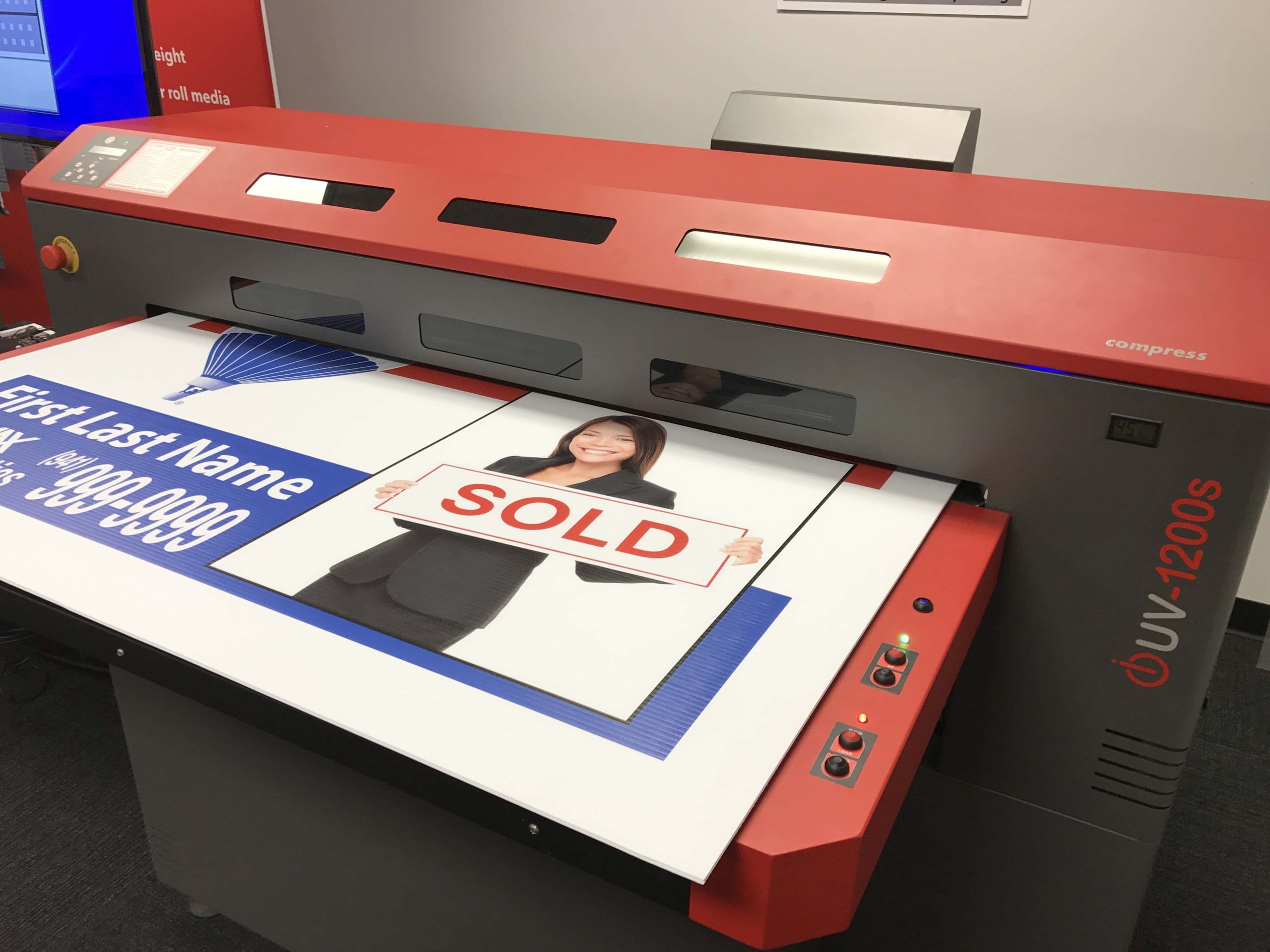
Ultraviolet printing is another innovative technology that uses UV light to cure inks as they are printed. This method can be used on a variety of substrates, from paper to plastic, and even metal and glass. UV printers have become increasingly versatile and are popular for businesses looking to create vibrant prints on various materials.
Strengths of UV Printing
- Versatility: One of the most significant advantages of UV printing is its ability to print on a wide range of materials. If your business requires printing on different substrates, a UV printer can adapt to various products.
- Durability: UV-cured inks are typically more resistant to scratches, chemicals, and UV light than traditional inks. This makes UV printing ideal for outdoor signage, promotional materials, and items that require a longer lifespan.
- Quick Drying Times: The curing process occurs immediately with UV printing, allowing for faster production speeds. This means you can handle prints almost instantly after production, improving overall efficiency.
- Vibrant Colors and Glossy Finish: UV printing produces stunning colors with a glossy finish, enhancing the visual appeal of printed materials. This feature is especially beneficial for businesses focusing on aesthetic quality.
Weaknesses of UV Printing
- Higher Initial Investment: Similar to DTG, high-quality Epson UV printer requires a significant upfront investment. However, the long-term benefits can outweigh the initial costs for many businesses.
- Limited Ink Flexibility: While UV inks are durable, they may not be as flexible as other inks, which can result in cracking on certain flexible substrates.
- Not Ideal for Textiles: While UV printers can print on fabrics, the results may not be as soft or breathable as those produced by DTG printing. This makes UV less suitable for apparel, particularly when comfort is a priority.
Choosing the Right Technology for Your Business
When it comes to deciding between DTG and UV printing, consider your specific business needs:
- For Apparel Customization: If your focus is on high-quality, detailed designs for garments, especially in small batches, an Epson direct to garment printer is likely the better choice. This method allows for a level of customization that DTG is known for.
- For Diverse Products: If your business prints on a variety of substrates beyond clothing—like promotional items, signage, or even industrial applications—UV printing is the way to go. Its versatility makes it an excellent investment for businesses looking to expand their offerings.
- For Speed and Durability: If your operation demands quick turnaround times and durable prints, UV technology’s fast drying and robust inks provide an edge. This is particularly useful for businesses in the signage or promotional product sectors.
Conclusion
In conclusion, both DTG and UV printing have their unique advantages and are suitable for different applications. Understanding the strengths and weaknesses of each technology will empower you to make an informed decision that aligns with your business goals. Whether you opt for the precision and detail of an Epson direct to garment printer or the versatility and durability of UV printing, the right choice can help elevate your business and meet customer demands effectively.
