

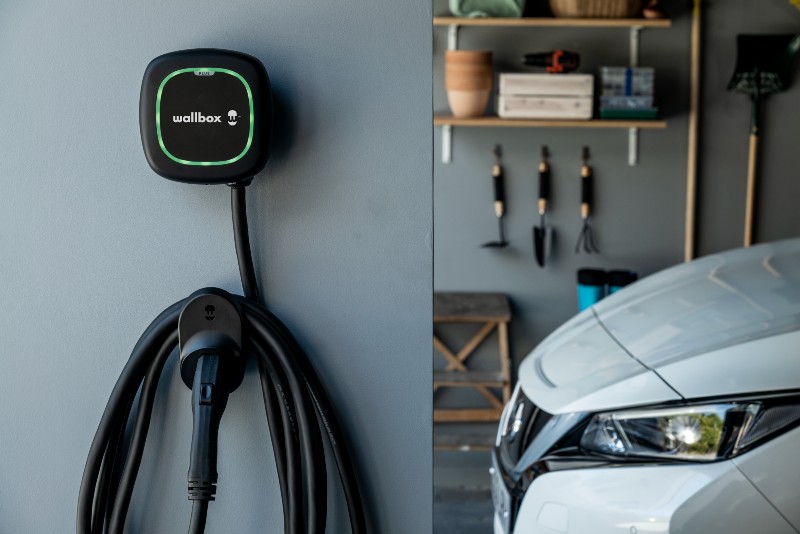
A growing number of homeowners are opting to build home EV charging stations to cater to the growing demand for electric cars (EVs) and make charging more convenient and efficient. However, ensuring that these charging stations are installed and maintained safely is crucial for protecting your home and family. When planning your installation, it’s wise to consult a qualified electrician Tampa to guarantee that all safety standards and regulations are met. A professional, like someone from Lightning Bay Electric, can help ensure that your setup is both functional and secure, allowing you to enjoy the benefits of your home charging station with peace of mind.
Key Considerations for Safe and Code-Compliant EV Charger Installation
1. Hire a Licensed Electrician
Engage a licensed electrician to ensure your EV charging station installation adheres to the latest electrical codes and standards. Licensed professionals have the expertise to handle complex wiring, meet safety regulations, and provide proper documentation, reducing the risk of electrical faults and ensuring reliable performance.
2. Circuit Requirements
EV charging stations often need a dedicated circuit to manage the high current they draw. A licensed electrician will assess your existing electrical system to determine if it can support the new load or if a dedicated circuit is required. As a result, the system remains stable and overloading is prevented.
3. Inspect Electrical Panel
Prior to installation, have your electrical panel inspected for capacity and condition. An old or overloaded panel may not handle the increased load from an EV charger, leading to potential safety issues. Upgrading the panel can improve safety, and reliability, and ensure compliance with electrical codes.
4. Grounding and Bonding
If you care about electrical safety, you must ensure proper grounding and bonding. Ensure that your EV charging station is properly grounded to divert electrical faults away from users and prevent shock hazards. Bonding connects various conductive parts to maintain a safe electrical environment and prevent fire risks from electrical faults.
Fire Safety Tips: Ensuring Proper Installation of Your Charger
1. Choose an Optimal Location
Select a location for your charging station where there is ample space around it to ensure proper airflow. Avoid placing the charger near walls, furniture, or other obstructions that could restrict airflow and trap heat. This practice is crucial to minimize the risk of overheating and potential electrical fires.
2. Check Ventilation
For indoor installations, ensure the area around the charger is well-ventilated, with access to fresh air to help dissipate heat. Install the charger in a room with good air circulation or near a window. For outdoor setups, position the charger away from direct sunlight and ensure it’s under a covered area to protect it from rain while allowing air to circulate.
3. Regular Maintenance
Regularly inspect the charging station for any signs of overheating, such as discoloration or a burnt smell. Ensure the charger is clean and free from dust and debris, and that its vents are unobstructed. Performing these checks helps maintain optimal airflow and reduces the risk of overheating and potential fire hazards.
Maximizing Durability: Key Tips for Installing Outdoor Charging Stations
1. Select a Weather-Resistant Model
Choose a charging station with a minimum IP65 rating, which means it’s resistant to dust and can withstand water jets from any direction. This rating is essential for outdoor environments where exposure to rain and dust is common, ensuring durability and reliable performance.
2. Proper Sealing and Placement
For installation, apply weatherproof gaskets, sealants, and waterproof connectors to all joints and entry points. This meticulous sealing process prevents water ingress, which can lead to rust, corrosion, or electrical issues. Regular maintenance checks can further enhance the unit’s protection and longevity.
3. Elevated Position
Install the charging station at least 12 inches above the ground. This elevation prevents water and snow from contacting the unit directly, reducing the risk of moisture damage. Ensuring proper elevation also protects the unit from debris and facilitates easier maintenance and cleaning.
Ensuring Safe Charging Station Use for Children and Pets
1. Secure Placement
Install the charging station in a high, secure location that’s inaccessible to children and pets. This prevents accidental tampering and reduces the risk of electrical injuries. Opt for wall-mounted or elevated placements to keep the unit safely out of reach and avoid potential hazards.
2. Use Enclosures
Utilize robust enclosures or protective covers designed to shield the charging station. These barriers are particularly effective in garages or outdoor spaces where children or pets might accidentally interact with the equipment. Choose covers with secure locking mechanisms to enhance safety further.
3. Education and Supervision
Teach family members, especially children, about the risks associated with tampering with charging equipment. Regularly supervise areas where the charging station is located to ensure that neither children nor pets have access. Reinforce the importance of safety to foster a secure environment.
Conclusion
Ensuring the safety of your home EV charging station involves careful planning and adherence to safety guidelines. By addressing electrical, fire, water, and safety concerns, you can create a secure and efficient charging setup. Collaborate with a qualified electrician to handle the technical aspects of your home EV charging station installation and maintenance, ensuring that your home EV charging station meets all safety standards. Proper installation and regular checks will help you enjoy the benefits of your EV charging station while keeping your home and family safe.
