

Mosaic murals, with their elaborate designs and vibrant colors, have been a medium of artistic expression for millennia. These masterpieces of tesserae (small pieces of glass, stone or other materials) have decorated walls, floors, and ceilings. From ancient civilizations to modern urban landscapes, they tell stories and immortalize moments in history. Travel with us as we explore five of the most famous mosaic murals from around the world.
1. Ravenna, Italy: Basilica di San Vitale
The mosaics in the Basilica di San Vitale in Italy, are some of the most exquisite illustrations of early Byzantine art. Dating back to the 6th century, these mosaics are recognized for their stunning detail and rich, vibrant colors. The most famous mosaic is located in the most sacred part of the church, the apse. It depicts Emperor Justinian I and Empress Theodora with their attendants, displaying the political and spiritual power of the Byzantine Empire. The intricate details and use of gold tesserae create a mesmerizing effect, making these mosaics a notable legacy of Christian art.
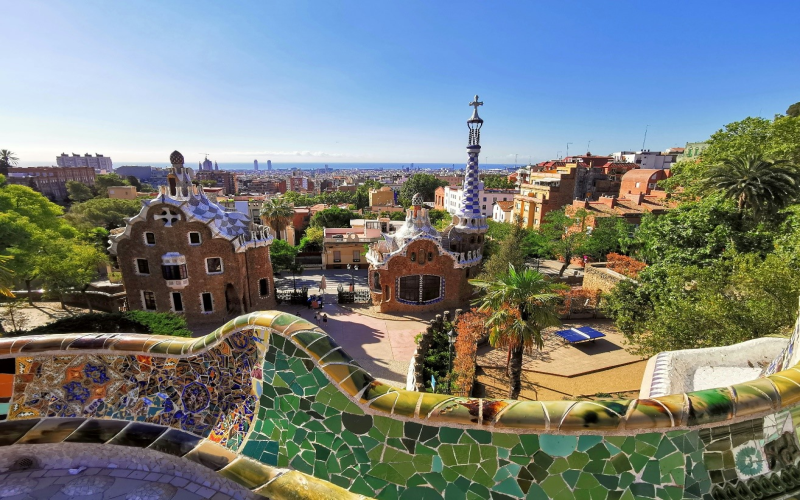
2. Barcelona, Spain: Park Güell
Park Güell in Barcelona, designed by the renowned architect Antoni Gaudí, features some of the most whimsical and colorful mosaic work in the world. The park, built between 1900 and 1914, includes a variety of mosaics, the most famous being the serpentine bench that winds around the terrace. Gaudí’s use of trencadís, a technique using broken ceramic tiles, creates dynamic and natural forms that perfectly blend with the surroundings. The Dragon Stairway, with its famed mosaic dragon fountain, is another highlight, attracting millions of visitors each year.
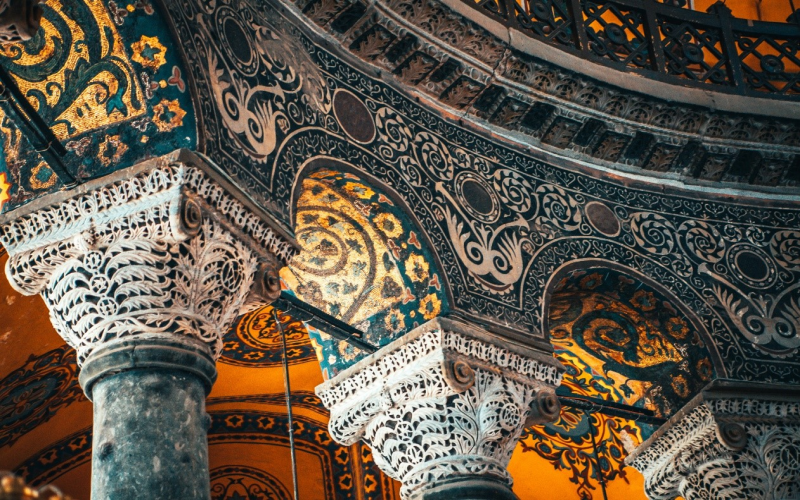
3. Istanbul, Turkey: Hagia Sophia
The Hagia Sophia in Istanbul is a true masterpiece of Byzantine architecture and is well-known for its stunning mosaics. Originally built as a cathedral in the 6th century, it was later converted into a mosque and is now a museum. The mosaics in the upper galleries depict religious scenes and figures, including the famous Deesis mosaic, which shows Christ with the Virgin Mary and John the Baptist. Celebrated for their artistic and historical value, these mosaics reflect the merging of Christian and Islamic traditions.
4. Mexico City, Mexico: UNAM Central Library
The Central Library of the National Autonomous University of Mexico (UNAM) in Mexico City houses one of the largest and most impressive mosaic murals in the world. Designed by artist Juan O’Gorman in the 1950s, the mural covers all four sides of the library building. Its patterns and pictures tell the story of Mexican history from pre-Columbian times to the modern era. O’Gorman created a vivid narrative using natural stones of different colors that is both educational and visually striking. The mural has become a famous symbol of Mexican culture and identity.
5. Philadelphia, USA: The Philadelphia Magic Gardens
The Philadelphia Magic Gardens is a remarkable mosaic art environment created by artist Isaiah Zagar. Located on South Street, this immersive space features Zagar’s distinct style, combining hand-made tiles, bottles, bicycle wheels and other uncovered objects to create an eclectic and lively mosaic landscape in the indoor and outdoor spaces. The depictions reflect Zagar’s influences from Mexican and Peruvian folk art. The Magic Gardens have transformed the area into a cultural landmark, attracting art enthusiasts and tourists from around the world.
Mosaic murals are not just decorative art; they are historical narratives, cultural symbols and masterpieces of craftsmanship. Each piece tells a story, preserving the cultures and history of its time and place. Mosaic murals are a stunning testament to the rich artistic heritage of ancient civilizations, portraying a timeless art form beloved and admired worldwide.
