

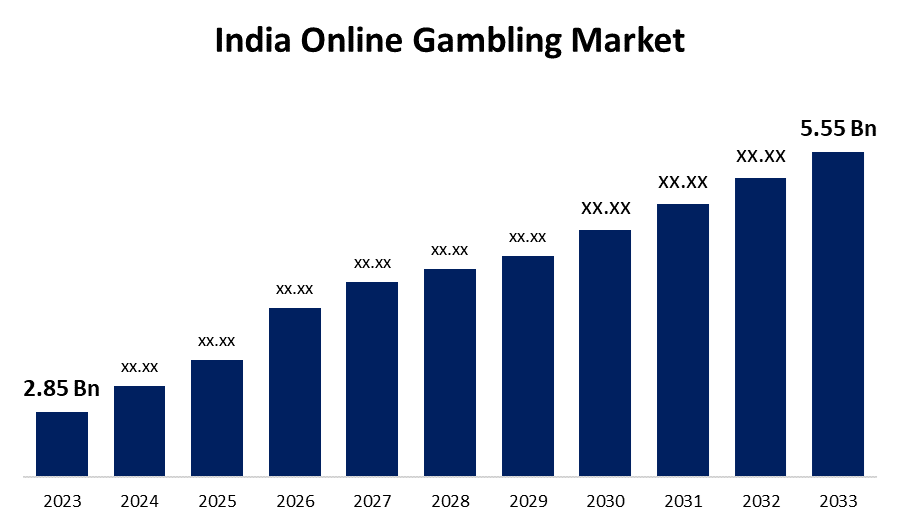
Technology in the gambling industry in India is transforming, owing to innovative software solutions’ ability to address the nuances of this massive and dynamic market. Given the ever-changing regulatory landscape of gambling and the deepening penetration of the internet, the role of gambling software in molding the future of this industry can not be overstated. Here, we have explored the essential trends that will probably dictate the Indian gambling software market in 2025.
1. The Mobile-First Platforms dominate.
With over 700 million smartphone users, India is a mobile-first market with fast and steadily increasing access to affordable internet. To keep up with this audience, gambling software providers optimize their products for a mobile experience. With lightweight apps, progressive web apps (PWAs), and responsive design becoming the norm, gamers have gotten what they wanted: a seamless experience that extends from low-end devices to top-of-the-line smartphones.
Real-time game streaming and adaptive user interfaces in regional languages are key enhancements to the personalization that users receive based on their demographics across India.
2. Focus on Localization
The success of India’s gambling software depends on sound localization. Regional languages, culturally relevant themes, and traditional games such as Teen Patti and Rummy are finding a place in the providers’ offerings. Moreover, localized payment solutions in UPI, Paytm, and Rupay are embedded into the platform to make transactions easier for Indian customers.
3. Artificiality, Intelligence, and Learning Machinery.
AI and ML are emerging as key technologies with growing roles in improving user experiences and meeting compliance. AI-driven algorithms for personalized game recommendations, dynamic odds adjustments, fraud detection, and responsible gambling alerts are turning out to be the real thing for gambling platforms. The continued use of predictive analytics also allows operators to understand player behavior better, resulting in better customer retention and engagement.
4. How Blockchain Can Bring Transparency to Integration Tools
With trust and transparency at the top of mind in online gambling, blockchain technology is slowly but steadily catching on. The forthcoming trends are fair play, secure transactions, and decentralized platforms powered by cryptocurrency payments. Cryptocurrency adoption in India is saddled with regulatory issues, and it is looking into blockchain-based solutions outside the purview of tokens to boost credibility and trust.
5. Improving esports Betting and Fantasy Sports Growth
The rise of esports and fantasy sports has also created new areas for gambling software in India. Platforms now offer advanced sports like live esports betting, fantasy cricket leagues, and sports. With APIs for real-time data feeds and advanced analytics, APIs are now integrated seamlessly to create immersive user experiences.
Fantasy sports remain buoyant, especially as India’s love affair with cricket continues, while more and more people gobble up other sports like football and korfball. Gambling software providers are innovating to fill this demand for intuitive, full-featured platforms.
6. Responsible Gambling and Compliance
Compliance contractors have a tough battle ahead, given a patchwork of regulations across the states in India. Gambling software suppliers are investing in features that ensure compliance with local laws and encourage responsible gambling. They increasingly integrate age verification, spending limits, and self-exclusion options.
Additionally, regulatory tech (RegTech) solutions are being drafted to automate compliance processes, free operators from operational burdens, and enhance transparency and accountability.
7. Virtual Reality (VR) and augmented reality (AR)
AR and VR are yet to begin shaking up India’s gambling industry, but according to predictions, they will do so by 2025. Virtual casinos and augmented reality card games may change how users engage with gambling platforms, such as virtual casinos and card games that make it feel like you’re playing right there. If the hardware costs are reduced and the adoption increases, these technologies could be game changers.
8. Social and Gamified Gambling
As younger audiences have become a lot harder to attract consistently, gambling software is now built using increasingly social and gamified elements. Leaderboards, tournaments, and social sharing features are helping to create a community for these players. Elements of gamification such as achievements, badges, and daily challenges keep users hooked and enticed to return.
The Indian gambling market is in the upcoming years and is developing using new software solutions that especially answer the unique issues and chances of the area. The trends of 2025 are trends of technology – from localization and mobile-first platforms to AI-driven personalization and band blockchain transparency – all fueled by the expectations and regulations of users.
As gambling software continues to be updated, operators and developer operators and developers and operators mus,t therefore be authorized to innovate to guarantee that they hold the advantage over time in this industry dynamic and quickly developing.
