

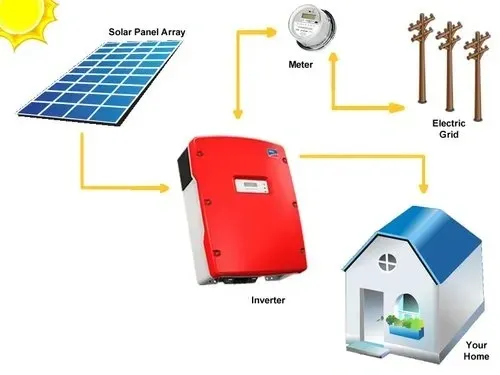
When people think about solar power, they usually focus on the panels shining on the roof. What many do not realise is that the inverter is the heart of the entire setup. A solar panel cannot run your home on its own. It needs an inverter to turn sunlight into usable electricity. This is where most homeowners get confused. There are many types of inverters. There are also many types of solar panels. Each combination works differently. Some match well. Some need extra checks. Many people in India search for clear and simple guidance before choosing. This blog explains how solar inverters work and how they pair with different solar panels in a way that feels easy to understand.
Solar inverters play a crucial role in converting the direct current (DC) generated by solar panels into alternating current (AC) that can be used by household appliances. Different types of solar panels, such as monocrystalline, polycrystalline, and thin-film, have unique characteristics that affect their compatibility with various inverters. For those looking to optimize their solar energy systems, https://greenwavesolar.com/ offers insights into selecting the right inverter for your specific panel type. By understanding the nuances of each panel and inverter combination, homeowners can maximize efficiency and ensure a seamless integration into their existing electrical systems, ultimately leading to more sustainable energy consumption.
How Solar Inverters Work
A solar inverter changes the electricity produced by your panels into power that your home appliances can use. The panels produce direct current. Your home runs on alternating current. The inverter performs this conversion every second while also managing safety and system performance.
- It converts DC power from the panels into AC power
- It adjusts the voltage for safe home use
- It keeps track of how much power the system produces
- It protects the system from faults and fluctuations
- It ensures a smooth connection with the grid
Once you understand this role, you can see why choosing the right inverter matters so much for long-term performance.
Different Types of Solar Inverters
India has three major types of solar inverters used in homes. Each one works differently and suits different needs:
Types of Solar Panels and How They Pair With Solar Inverters
Solar panels also come in different forms. The most common ones are monocrystalline, polycrystalline, half-cut monocrystalline, bifacial panels, and thin film (rare for homes). Their compatibility with inverters depends on voltage range, efficiency, and design.
1. Polycrystalline Panels
These are common in older rooftop systems. They cost less but produce lower efficiency.
- Work well with on-grid inverters
- Also work with off-grid and hybrid inverters
- Need more roof area for the same power output
- Voltage range suits most Indian inverters
Good for budget systems and homes with ample roof space.
2. Monocrystalline Panels
These panels offer higher efficiency and better performance in low light.
- Easily compatible with on-grid, hybrid, and off-grid inverters
- Best output when paired with high-quality MPPT inverters
- Often used in homes with limited roof area
- Seen widely across India due to its efficiency
A balanced choice for long-term savings and strong performance.
3. Half Cut Monocrystalline Panels
These panels give higher efficiency and reduced heat loss.
- Work best with MPPT-based inverters
- Typically paired with string inverters in on-grid systems
- Suitable for hybrid systems with good battery support
Ideal for homeowners who want high output without expanding roof area.
4. Bifacial Panels
These panels generate power from both sides. They need open mounting to capture reflected light.
- Work well with string inverters
- Need careful voltage matching
- Popular in homes with open terraces
- Higher output requires quality cables and an inverter
They offer extra power but need proper installation space.
5. Thin Film Panels
Not common for homes, but still important to understand.
- Work better in high temperature zones
- Often used in commercial projects
- Need specialised inverters
- Not ideal for small rooftops
Mostly avoided in home setups due to size and mounting limitations.
Matching Inverters With Panels: What You Must Check
Many homeowners in India think that any inverter can work with any panel. This is not always true. You need to check a few important points:
- Check the voltage range of the panel and the inverter
- Ensure total panel wattage matches inverter capacity
- High-efficiency panels usually pair best with MPPT inverters
- Bifacial panels work better with stronger inverters
- Thin film panels need special compatibility checks
- On-grid systems need accurate sizing for net metering
- Hybrid systems need correct battery sizing
- A correct match creates higher output, fewer faults, and lower long-term cost.
Practical Tips Before Choosing an Inverter
Choosing an inverter becomes simpler when you follow these basic steps:
- See your total monthly electricity consumption
- Decide whether you need backup or not
- Choose panel type based on your roof size
- Ask the installer for voltage-matching details
- Confirm warranty for both panels and the inverter
- Look for service support in your city
- Check if your system will qualify for a subsidy
- Ask for a full load calculation before final selection
These steps save you from mismatch issues and unexpected future expenses.
Installation Tips For Better Performance
The way your system is installed plays a major role in performance:
- Keep the inverter in a cool and shaded area
- Use proper thickness cables
- Avoid water exposure near the inverter
- Ensure correct earthing
- Keep panels at the right tilt for your region
- Avoid wiring bends that cause energy loss
- Ask for all safety devices, such as DC isolators and SPD units
Conclusion
A solar inverter works quietly every day, but its role is essential in turning sunlight into stable power for your home. When matched with the right type of solar panels, it produces strong output and reduces your electricity cost for many years. Understanding how different panels and inverters work together gives you confidence while making a choice. With the right combination and a good installation, your system stays reliable and efficient. Solar becomes a long-term support system that adds comfort, savings, and steady performance to your home.
