

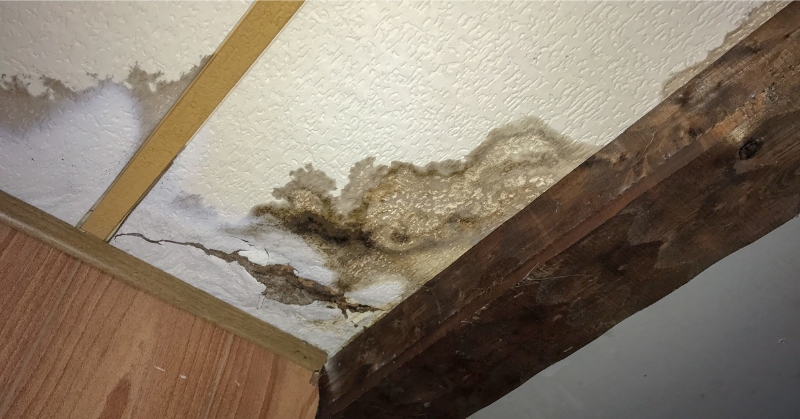
Water damage is a common yet serious problem that can affect both residential and commercial properties. Whether caused by a leaky pipe, a heavy storm, or an overflowing appliance, water damage can lead to costly repairs, health hazards, and long-term structural damage if not addressed promptly. This guide offers practical steps to handle water damage effectively and reduce the risk of further complications.
Step 1: Identify the Source of Water Damage
Before taking any action, it’s crucial to determine the source of the water damage. Common causes include:
- Leaking or Burst Pipes: These can occur due to age, freezing temperatures, or poor maintenance.
- Flooding or Heavy Rainfall: Natural disasters like hurricanes, thunderstorms, or flash floods can lead to severe water damage.
- Roof Leaks: Damaged shingles, clogged gutters, or an old roof can cause water to seep into the home.
- Sewage Backup: This occurs when wastewater is pushed back into the property due to blockages or overloaded municipal systems.
Identifying the source will help you know whether the damage is covered by insurance and how to prioritize your restoration efforts. Once the source is determined, take immediate steps to stop the water flow. For example, if it’s a pipe leak, shut off the water supply.
Step 2: Assess the Extent of Damage
Once the water source is under control, it’s time to assess the level of damage. Key areas to inspect include:
- Walls and Ceilings: Look for discoloration, sagging, or cracks, which indicate water absorption.
- Flooring: Carpets, hardwood floors, and tiles can retain water, leading to mold and structural issues.
- Furniture and Belongings: Water-soaked furniture can develop mold, mildew, and bad odors.
- Electrical Systems: If water has reached your electrical outlets or appliances, there’s a risk of electrocution. Make sure to shut off the electricity if necessary.
Document the damage by taking photos and videos, as this will be useful for insurance claims and when discussing restoration options with professionals.
Step 3: Remove Standing Water
Water removal should begin immediately to prevent further damage. For minor water damage, you can use:
- Buckets and Mops: For small areas of standing water.
- Wet-Dry Vacuums: Ideal for quickly removing water from carpets and floors.
- Dehumidifiers and Fans: These help speed up the drying process and reduce the risk of mold growth.
If the water damage is extensive, it’s best to contact a professional water damage restoration service. They use specialized equipment like industrial-grade pumps, vacuums, and dehumidifiers to handle large volumes of water efficiently.
Step 4: Dry the Affected Area
Even after removing standing water, moisture may still be present in walls, floors, and other materials. Proper drying is essential to prevent mold and mildew, which can begin to grow within 24 to 48 hours. Here’s how to dry the affected areas:
- Ventilate the Area: Open windows and doors to promote airflow.
- Use Fans: High-powered fans help circulate air and speed up the drying process.
- Dehumidifiers: These remove moisture from the air and help dry out your space.
- Remove Damaged Materials: Water-soaked drywall, insulation, and carpeting may need to be replaced to avoid mold growth.
For more extensive damage, you may need the assistance of professional water damage restoration experts who have the proper tools and knowledge to completely dry your home or business.
Step 5: Clean and Sanitize
After the area is dry, cleaning and sanitizing is critical, especially if the water was contaminated by sewage or came from an unsanitary source. Contaminated water can introduce harmful bacteria, viruses, and parasites into your home. Follow these steps to clean the affected area:
- Disinfect All Surfaces: Use a strong disinfectant to clean walls, floors, and any items that came into contact with the water.
- Dispose of Unsalvageable Items: Any porous materials like carpets, mattresses, and upholstered furniture may need to be discarded if they cannot be properly sanitized.
- Address Mold Growth: Mold can grow quickly after water damage. If you notice mold, use a mixture of water and bleach to clean it, or contact professionals for a thorough mold remediation service.
Professionals at Water Damage Restoration can ensure your space is properly sanitized and free from harmful contaminants.
Step 6: Repair and Restore the Damaged Area
Once your home or business is dry and clean, it’s time to focus on repairing and restoring the affected areas. Depending on the extent of the damage, this could involve:
- Replacing Drywall and Insulation: Damaged walls and ceilings may need to be cut out and replaced.
- Flooring Replacement: If the flooring is severely water-damaged, it may need to be replaced to prevent mold growth and structural issues.
- Painting: Stained walls and ceilings can be repainted to restore their original look.
- Plumbing and Electrical Repairs: If the water damage impacted your plumbing or electrical systems, professional repairs may be needed.
Working with a professional water damage restoration service can ensure the repairs are done correctly, preventing future issues.
Step 7: Prevent Future Water Damage
Taking steps to prevent future water damage is essential to protect your property and avoid costly repairs. Here are some tips to safeguard your home or business:
- Inspect Your Roof Regularly: Make sure your roof is in good condition and free of damage that could cause leaks.
- Maintain Your Plumbing: Regularly check for leaks and drips in your pipes and faucets.
- Clear Your Gutters: Ensure your gutters and downspouts are clear of debris to prevent water from backing up and causing leaks.
- Install Water Alarms: Water alarms can alert you to leaks or flooding before the problem worsens.
- Seal Windows and Doors: Check the seals around your windows and doors to prevent water from seeping in during storms.
By staying proactive, you can minimize the risk of water damage and keep your property safe.
Why Choose Water Damage Pros Raleigh NC?
At Water Damage Pros Raleigh, we understand how stressful dealing with water damage can be. That’s why we offer comprehensive water damage restoration services to help get your home or business back to normal as quickly as possible. Our team is:
- Available 24/7: We respond to emergencies at any time, day or night.
- IICRC Certified: Our technicians are fully trained and certified to handle water damage restoration, mold remediation, and sewage cleanup.
- Fast Response Time: We can be on-site within an hour of your call to assess the damage and begin the restoration process.
- Insurance Assistance: We help you file your insurance claim and work with your provider to ensure your repairs are covered.
- Customer-Focused: We prioritize excellent customer service and high-quality workmanship in everything we do.
For a fast response and professional water damage restoration services, contact Water Damage Pros Raleigh NC at 984-205-1439 or visit our website for more information.
Water damage is not something to take lightly, and the sooner you address it, the better. By following this quick guide, you can effectively manage water damage and minimize the impact on your property. If you ever find yourself facing a water damage emergency, don’t hesitate to call in the experts to ensure your property is restored quickly and safely.
