

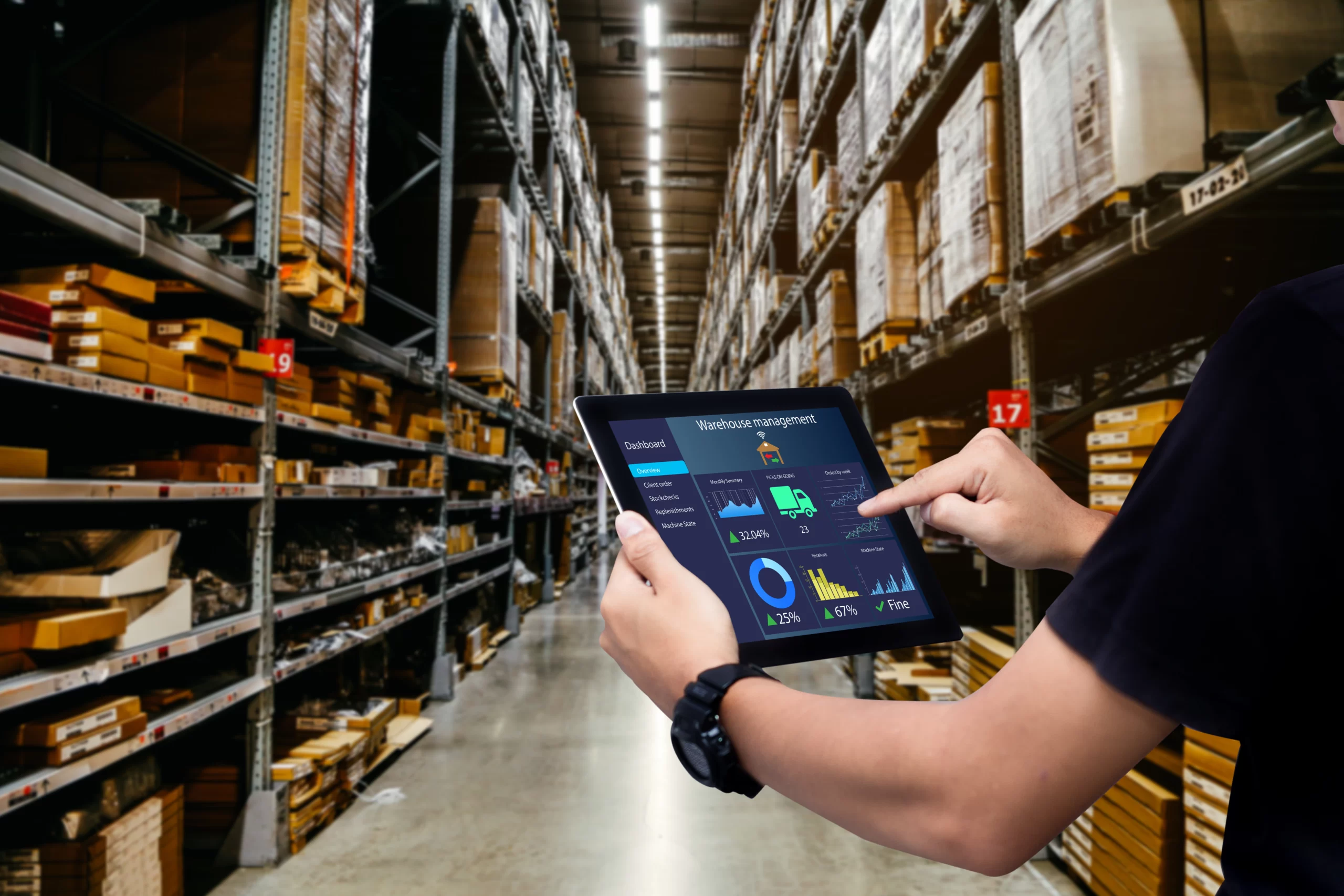
The growth of e-commerce has significantly altered the retail landscape, marking a shift towards more online shopping and changing consumer expectations. One vital cog in the e-commerce machine is efficient order fulfilment – a process which can either propel a business forward or hamper its growth. For many online retailers, the key to optimising this process is the utilisation of a fulfilment warehouse. This article explores the benefits retailers can reap from deploying third-party logistics (3PL) to handle their fulfilment needs.
Enhanced Efficiency
Efficiency is paramount in e-commerce, and working with a fulfilment warehouse can enhance the speed and accuracy of getting products to customers. Fulfilment warehouses are designed to streamline the order picking, packing, and shipping processes. These facilities use sophisticated technology and systems that can rapidly identify, process, and fulfil orders. This efficiency reduces the time from order to delivery, resulting in a better customer experience.
Cost Reduction
A significant advantage of using a fulfilment warehouse is the potential for cost savings. Outsourcing logistics to a specialised provider allows businesses to avoid substantial upfront investments in storage facilities and logistics management systems. What’s more, 3PL services often benefit from economies of scale by serving multiple clients, enabling smaller e-commerce players to enjoy lower shipping rates and other associated costs.
Scalability
E-commerce businesses can experience variable demand, with peak seasons or special promotions leading to transient surges in orders. Fulfilment warehouses offer the flexibility to scale operations quickly, accommodating fluctuations without the financial risk of maintaining underutilised resources during quieter periods. This scalability supports business growth without comparable increases in overheads.
Focus on Core Competencies
By outsourcing the intricacies of fulfilment to a dedicated warehouse, e-commerce businesses can focus on their core competencies such as product development, marketing, and customer service. With less time spent on logistical details, more resources can be devoted to areas that drive revenue and build brand loyalty.
Access to Expertise
Fulfilment warehouses come with teams of experts who understand the latest in logistics practices and regulations. This expertise is particularly valuable for businesses looking to expand globally, as the warehouse provider can navigate the intricacies of international shipping, customs, and compliance issues.
Improved Customer Satisfaction
Today’s consumers have high expectations for rapid delivery and flawless order accuracy, which a professional fulfilment service is more equipped to meet consistently. By leveraging a fulfilment warehouse, businesses ensure that products reach their customers promptly and in perfect condition, which is pivotal in maintaining a positive brand reputation and customer satisfaction.
Enhanced Flexibility in Product Offerings
Having a robust fulfilment strategy allows businesses to offer a wider variety of products without concern for storage limitations. The ability to stock and efficiently dispatch a diverse inventory means companies can cater to niche markets and test new products with minimal risk.
Inventory Management and Transparency
Modern fulfilment warehouses utilise advanced inventory management systems that provide businesses with real-time visibility into their stock levels. This transparency enables them to make informed decisions on inventory purchases, reducing the likelihood of both stock-outs and excess inventory.
Reduced Risk and Liability
Outsourcing order fulfilment reduces the physical and financial risks associated with handling products. Fulfilment warehouses are equipped to safely store inventory and are often insured against damage or loss, shifting the risk away from the e-commerce company’s shoulders.
Geographic Advantage
Fulfilment warehouses often have strategic locations that enable faster shipping times to major markets. This geographic advantage not only cuts down on delivery times but also reduces shipping costs, providing a competitive edge for businesses that can promise and deliver quick delivery times.
Eco-friendly Operations
As consumers become increasingly eco-conscious, the ability to boast sustainable operations can be an asset for any business. Fulfilment warehouses can significantly reduce carbon footprints by optimising shipping routes and consolidating orders to minimise transportation emissions.
Conclusion
The use of a fulfilment warehouse equates to empowering e-commerce businesses to improve their operational capabilities. The benefits range from financial savings to customer satisfaction, from streamlined processes to enhanced scalability. But beyond these obvious advantages, employing a fulfilment warehouse nurtures a brand’s ability to adapt to market changes, embrace growth opportunities, and maintain a keen focus on the creation and promotion of products that resonate with their audience.
For online retailers looking to remain competitive in a bustling e-commerce environment, collaboration with a fulfilment warehouse isn’t simply a logistical choice; it’s a strategic move towards sustainability and longevity. As consumer demands evolve and the marketplace becomes even more congested, the ability to deliver products efficiently and effectively will continue to separate successful e-commerce operations from the rest. Although the initial steps towards a partnership with a fulfilment warehouse may require thorough vetting and adjustment, the long-term gains are well worth the commitment.
