

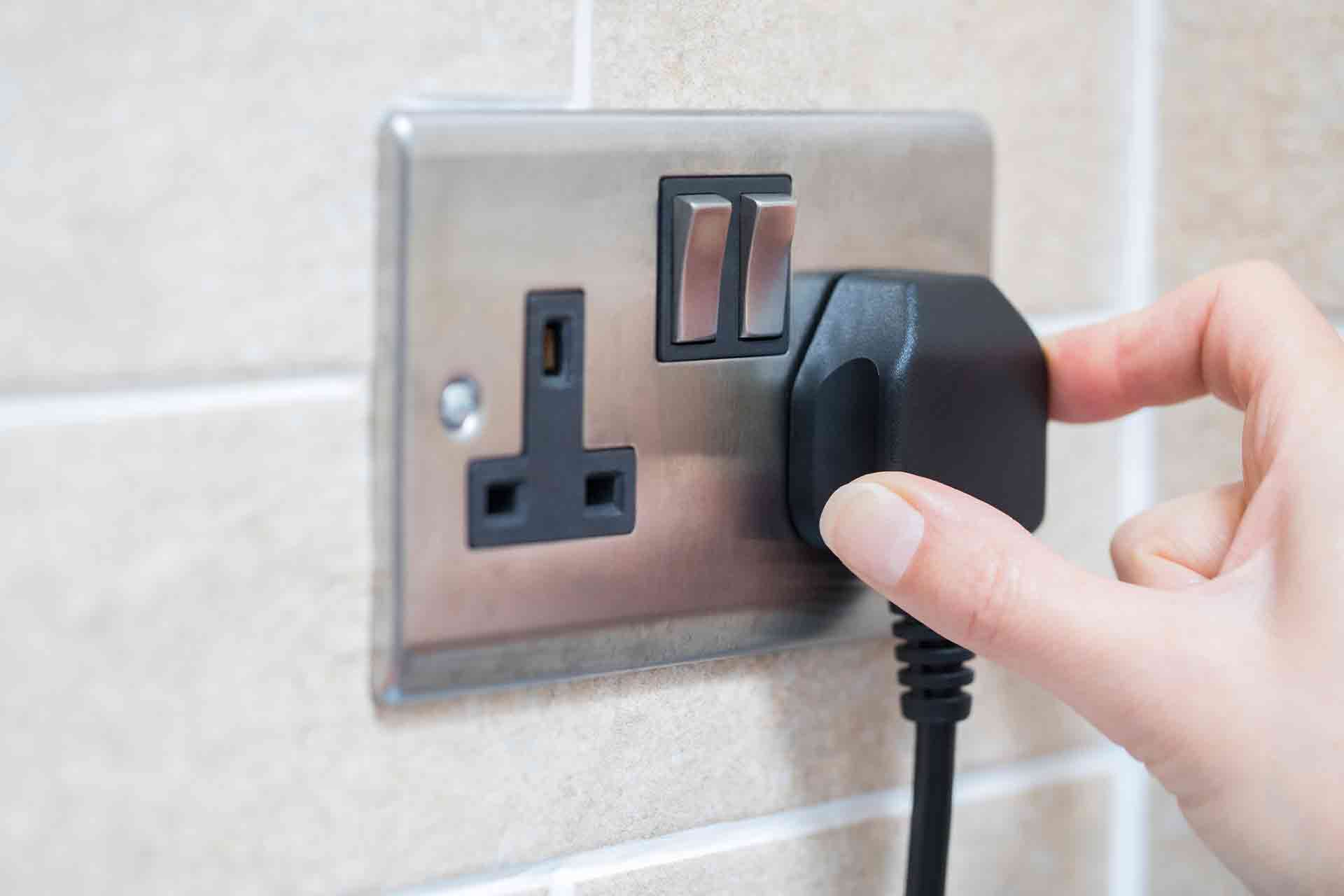
Over time, homes’ wiring and sockets become outdated or damaged. Rewiring projects allow improving safety and functionality by replacing old outlets with convenient modern options. Beyond mandatory general lighting and appliance sockets, consider adding specialized sockets suiting current needs.
The Dangers of Outdated Electrical Systems
Old wiring and sockets pose major fire and electrocution risks that can be life threatening. Faulty connections lead to shorts, arching and sparks within wall cavities that turn homes into tinderboxes. Brittle cracked sockets also expose users to electric shocks upon plug insertions. Periodic upgrades prevent avoidable tragedy especially in aging homes with degraded materials.
Prioritizing Necessary Maintenance
Signs like frequently tripped breakers, flickering lights, buzzing switches or outlets and burning plastic smells indicate upgrade urgency. Also replace visibly damaged, melted or charred components immediately before catastrophic failures arise. As panels age over 30 years, full rewiring often makes sense to renew safety margins.
Blanking Plates
Blanking plates cover unused outlets cleanly after removing old sockets no longer necessary. Streamlining sockets declutters walls while updating wiring capacity behind panels. Concentrate sockets where devices now concentrate to reduce trailing extension cords.
Advantages of Blanking Plates
Installing blanking plates enhances safety by fully insulating inactive wires within wall boxes that could arc or short if left casually exposed. A clean cover also prevents curious fingers from reaching into empty sockets to touch dangerous live circuitry. Simplifying home outlet footprints stops outdated electrics from getting overwhelmed powering too many modern high wattage gadgets as well.
Double Sockets
Double sockets fuse two power points together, allowing simultaneously connecting two plugs. They minimize blocking neighboring outlets in cramped spaces. Common placements include behind beds (for lamp/phone charging) or above kitchen countertops grouping appliances.
Helpful Double Socket Applications
Double sockets prevent blessed power strips or extension cords when you need to plug several items in one location. Mounting vertically or horizontally expands your plugging capability. Consider handy double sockets anywhere limited space causes outlet contention – behind nightstands, home office desks, entertainment consoles or bathroom sinks.
Fused Spur Sockets
Fused spur sockets split supply from one outlet to power two devices separately. Built-in fuses protect circuits if overloaded. Useful applications include freezers/fridges or bathroom split outlets for razors/toothbrushes.
Fused Spur Socket Benefits
Integrated fuses within fused spur sockets add localized current overload protection on top ensuring home’s primary breaker won’t trip and cut power to unrelated areas unnecessarily. They also let you independently switch separate devices off like freezer/fridge. For small bathrooms, install one fused spur socket splitting outlets between essential razor/toothbrush charging versus other optional grooming gadgets or hair appliances.
Shaver Sockets
Located near bathroom mirrors, water resistant shaver sockets safely allow using electronic razors. Special earth bonding protects users. Isolating bathroom personal gadget charging from other electrical outlets also adds safety.
Single Sockets
Single sockets providing one plug point suffice for most household lighting, fans or occasional gadget charging needs. Just ensure new outlets meet modern safety and grounding standards. Stick with plain white gloss for flexibility.
Telephone Sockets
Telephone or RJ45 network sockets enable connecting landline phones or hardwired Ethernet internet absent WiFi. Though decreasingly essential with wireless domination, some still prefer connecting desktop computers or smart hubs via cable.
TV Sockets
TV sockets safely locate television power connections and aerial or cable ports together in a tidy blanking plate. Position at standing eye level to keep wires hidden inside walls rather than dangling down from mounted screens.
Essential Back Boxes
Electrical back boxes house wiring behind sockets and switches providing safety and design flexibility for mounting or recessed plugs. Rewiring allows repositioning boxes to optimal heights and locations reflecting modern furniture configurations and device charging needs. It’s always helpful to refer to a guide to back boxes to ensure a safe understanding.
Surface Mounted vs Recessed Back Boxes
Surface mounted back boxes stick off walls enabling wiring access behind without cutting open plaster walls. Recessed boxes embed wiring seamlessly but involve creating a hole fitting box size for flush fittings. Customizing box placement now prevents future furniture blocking access.
Pattress Boxes
For connecting ceiling lights, pattress boxes mount wiring terminals securely. Pattress also refers to the often decorative round faceplate covering junctions. Updated recessed or surface pattresses blend better with modern downlighting or pendant fixtures.
Flexible Pattress Box Positioning
During rewires, reconsider centering ceiling electrical junction boxes based on updated interior layouts. Fixture style shifts like installing linear chandeliers or distinct grouped pendant lights work better starting electrical baseplates in aligned spots rather than just default middle positions. Check for sturdy rafter mounting across ceiling spans too.
Home rewiring projects enable modernizing sockets and layouts improving safety, efficiency and aesthetics. Evaluate current device usage patterns before installing upgraded outlet types. Concentrate convenient double sockets and splitter switches around high demand areas. Replace visibly damaged or outdated options first. Improving sockets simultaneously bolsters home environment enjoyment and property value for years ahead.
