



Clogged drains, when they occur, can be the most frustrating and inconvenient plumbing issues homeowners can face. You might not even realize it, but many of the things you use, toss down your sink, or flush down your toilet are silently causing clogs to form in your plumbing system. If not addressed with drain cleaning in Lakewood, NJ, these clogs can escalate into larger, costlier plumbing problems. Knowing what commonly causes these clogs can help you take preventive measures and save you from the headache of a backed-up drain.
Here, we discuss three common household items that are notorious for causing clogs in drains.
1. Grease and Cooking Oil: Silent Blockers
One of the most notorious culprits when it comes to clogged kitchen drains is grease. Many homeowners don’t realize that when they pour leftover cooking grease or oil down the sink, it doesn’t just wash away harmlessly. Grease and oil solidify as they cool down, sticking to the walls of your pipes like a thick layer of glue. Over time, this sticky buildup catches bits of food debris, soap scum, and other materials, which leads to slow drainage and, eventually, a total blockage.
The best way to prevent this issue is to avoid pouring grease or oil down the sink altogether. Instead, let it cool, pour it into a container, and dispose of it in the trash. While it might seem convenient to let a bit of oil slip down the drain, this seemingly small action could lead to a major blockage down the line. Experts recommend using strainers in your sink to catch any stray food particles that could mix with the grease and exacerbate the issue.
2. Hair: The Drain’s Worst Nightmare
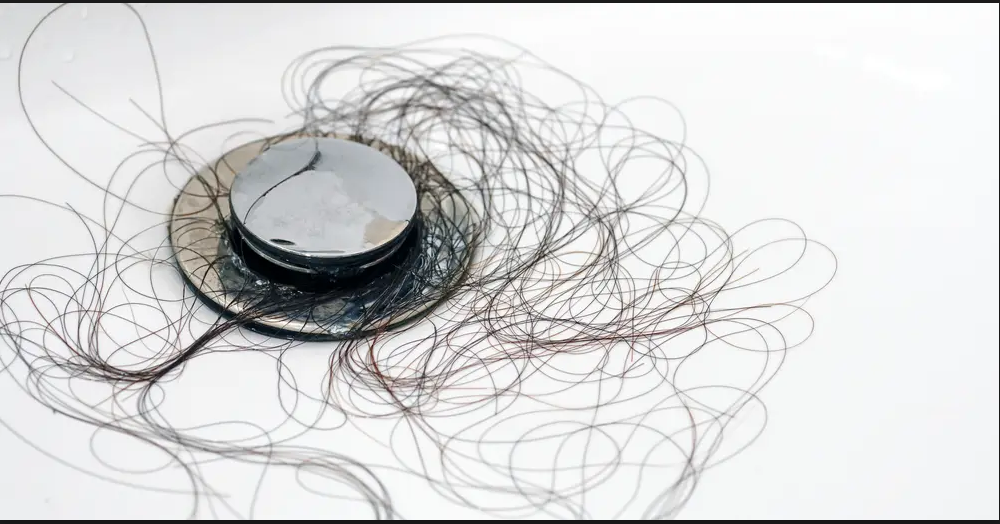
Hair clogs are one of the most common plumbing complaints, particularly in bathrooms. Every time you shower, strands of hair inevitably wash down the drain. And while a single strand might not seem like much, they don’t dissolve in water like other organic materials do. Over time, hair can form into dense clumps that get tangled with soap scum, dirt, and other debris, creating a blockage that can slow the flow of water through your drains or stop it altogether.
To combat this issue, use a drain cover or hair catcher to trap hair before it enters your pipes. It’s also a good idea to regularly clean these traps to prevent the hair from slipping through and causing a blockage further down the line. And remember, even with preventative tools in place, it’s a good idea to periodically inspect your drains for buildup that can be removed with methods such as drain snaking, to make sure they’re running smoothly.
In addition to being mindful of what goes down your drains, it’s crucial to address any plumbing issues promptly to prevent further complications. For residents in the Elizabeth area, seeking professional help can make a significant difference. Expert services like elizabeth plumbing can efficiently handle stubborn clogs and ensure your plumbing system runs smoothly. By relying on experienced professionals, you can avoid the hassle of recurring blockages and maintain a healthy drainage system. Remember, regular maintenance and timely intervention are key to preventing the common household items mentioned earlier from causing persistent problems in your home.
3. “Flushable” Wipes: The Misleading Menace
In recent years, flushable wipes have become a popular household product. Advertised as being safe for septic systems and plumbing, many homeowners trust that they can be flushed without any risk of clogging their pipes. However, the truth is that “flushable” wipes are one of the leading causes of serious sewer blockages. Unlike toilet paper, which is designed to break down quickly in water, wipes do not disintegrate as easily.
Despite their packaging claims, drain cleaning services such recommend avoiding flushing any type of wipe—even those labeled as flushable. Instead, throw them in the trash to prevent clogging your pipes. If you must use wipes, consider only using biodegradable ones that break down more efficiently and are truly septic-safe.
Preventing Clogs: A Few Simple Changes
Now that you know some of the most common household items that can clog your drains, it’s clear that many plumbing issues are preventable with just a few changes in how you dispose of waste. While clogs are sometimes unavoidable, being mindful of what you allow into your plumbing system can drastically reduce the likelihood of a major blockage.
Whether it’s being diligent about keeping grease out of the kitchen sink, using a drain cover in the shower, or being extra cautious with products labeled as flushable, you can protect your home’s plumbing and avoid the frustration that comes with clogged drains. Even better, regular maintenance and having your drains professionally cleaned via hydro jetting can help remove small blockages before they become bigger, costlier problems.
In the end, clogged drains are an unfortunate but common issue for many homeowners. However, understanding the leading causes combined with a little foresight can help minimize the chances of experiencing frustrating clogs.
If a stubborn blockage does occur, remember that expert help is only a phone call away. By seeking timely assistance from a rooter service, you can make sure that your plumbing is maintained, your pipes are clear, and your home remains clog-free.


