

You may have noticed yourself chewing on one side, skipping foods you used to enjoy, or taking longer to finish a meal because something in your mouth just does not feel right. That kind of change is easy to brush off at first. You tell yourself it is sensitivity, stress, or a rough patch that will pass. Then your eating starts to change in ways that are harder to ignore, and meals become something you manage instead of enjoy. If this sounds familiar, visiting a dentist in Westwood, NJ may help you understand what is causing the discomfort.
Many people do not connect eating problems with oral health right away. They think about the stomach, diet, or aging before they think about teeth and gums. The truth is that signs a dental issue may be affecting your eating habits often show up quietly. Pain, dry mouth, loose teeth, and sore gums can all change how, what, and how often you eat. A general dentist can help find the cause before those changes start affecting your comfort, nutrition, and daily routine.
Pain while chewing often points to a dental problem
If chewing hurts, your body adapts fast. You start avoiding crunchy foods, cold foods, or anything that takes effort. You may cut food into tiny pieces or swallow before you have chewed enough. That can leave you feeling unsatisfied after meals, and over time it can affect digestion and food choices.
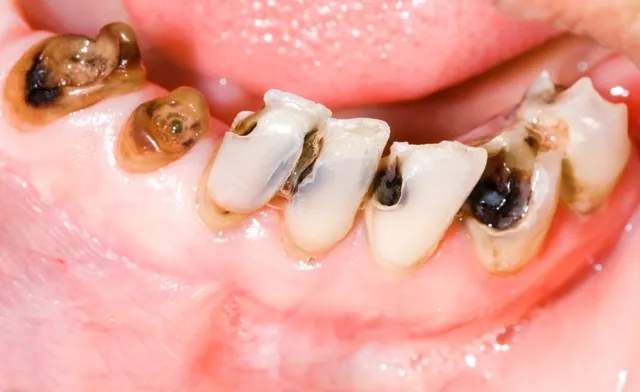
Tooth decay, cracked teeth, worn fillings, and gum infection are common reasons for chewing pain. Sometimes the pain is sharp and easy to notice. Sometimes it is a dull ache that only shows up when you bite down on one side. Either way, if eating has become uncomfortable, your mouth is telling you something is wrong.
This is one of the clearest dental signs affecting eating habits. Waiting often means the problem gets worse, and treatment usually becomes more involved once pain has been ignored for too long.
Dry mouth can make eating harder than people expect
A dry mouth does more than feel annoying. Saliva helps break down food, makes chewing and swallowing easier, and protects teeth from decay. When your mouth stays dry, food may stick to your tongue or cheeks, swallowing may feel awkward, and meals can become tiring.
Dry mouth can also increase the risk of cavities and mouth irritation. If you have started sipping water constantly during meals or avoiding dry foods like bread, crackers, or meat, that pattern matters. The National Institutes of Health explains how dry mouth affects oral health and daily comfort, and it is often more than a minor nuisance.
Medications, certain health conditions, tobacco use, and dehydration can all play a part. A dentist can look at the full picture and help you figure out whether the issue is temporary or part of a larger oral health problem.
Loose teeth or shifting bite can change what you eat
Sometimes the issue is not pain first. It is instability. A tooth feels slightly loose, your bite feels off, or foods that used to feel normal now feel awkward to chew. You may stop eating apples, nuts, raw vegetables, or tougher meats because they no longer feel safe or comfortable.
That can happen with gum disease, bone loss, untreated decay, or grinding that puts stress on the teeth. A shifting bite can also lead to jaw soreness and uneven chewing, which pushes you toward softer foods that may be easier to eat but not always as filling or balanced.
According to MedlinePlus information on loose teeth in adults, loose teeth are often a sign that the supporting structures around the tooth need attention. This is not something to watch casually for months.
Bleeding gums and mouth soreness can lead to food avoidance
If your gums bleed when you brush or your mouth feels sore during meals, you may start avoiding foods with texture, spice, or heat. You might not even realize how much you have adjusted until you look back and notice your diet has narrowed.
Gingivitis, periodontal disease, mouth sores, and poorly fitting dental work can all make eating unpleasant. When the mouth is irritated, even healthy foods can feel like a challenge. Citrus, toast, salad, and anything crunchy can suddenly feel like too much.
This is where people often get stuck. They try to work around the problem by changing their diet instead of treating the source. That may help for a few days, but it does not stop the inflammation or repair damage. Eating problems caused by dental issues tend to continue until the mouth itself improves.
Common eating changes and what they may signal
| Eating change | What you may notice | Possible dental cause |
| Chewing on one side | You avoid pressure on one area of the mouth | Cracked tooth, cavity, sore gum, bite problem |
| Choosing only soft foods | You skip raw vegetables, nuts, or meats | Tooth pain, loose teeth, gum disease |
| Taking frequent sips during meals | Food feels hard to swallow or sticks in the mouth | Dry mouth, salivary changes, oral irritation |
| Eating less overall | Meals feel tiring or unpleasant | Mouth pain, infection, sore dentures, jaw discomfort |
Small steps can help you protect your health now
Pay attention to patterns. Notice which foods bother you, where the discomfort is, and whether the problem shows up with chewing, swallowing, or temperature. Those details help a general dentist identify the cause faster.
Support your mouth while you wait. Choose foods that are easy to chew without giving up balanced meals. Stay hydrated, avoid tobacco, and keep up with gentle brushing and flossing. The National Institute on Aging offers practical guidance for taking care of your teeth and mouth, including simple habits that protect oral health every day.
Schedule a dental visit before the problem grows. If eating has changed because of pain, dryness, bleeding, or loose teeth, do not wait for it to become severe. Early care can be simpler, less stressful, and more affordable than delayed treatment.
Your eating habits can reveal more than you think
When food starts feeling like work, your mouth may be asking for help. Pain, dryness, shifting teeth, and sore gums all have a way of changing your routine one meal at a time. You do not need to keep adapting around the problem or guessing what is causing it. A visit with a general dentist can give you answers and a clear plan to make eating feel normal again.
