

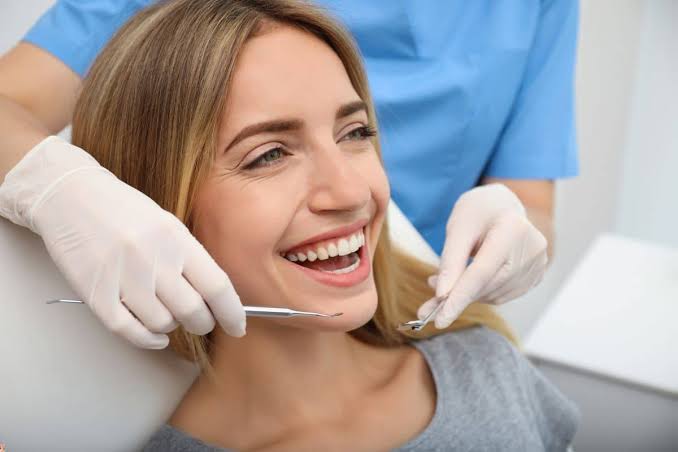
You might be feeling a little self conscious every time you catch your reflection. Maybe it is that one dark tooth in photos, the gap you always notice when you speak, or the way your teeth have slowly yellowed over the years. You are not imagining it. Even small changes in your smile can affect how you feel at work, on a date, or when you meet someone new. That is why choosing the right family dental care Palo Alto can make such a meaningful difference in your confidence and everyday life.
Because of this, you might be wondering if you need a specialist or a full smile makeover, and that can feel overwhelming and expensive. The truth is that many of the improvements you are hoping for can be done by a trusted family and cosmetic dentist using everyday cosmetic treatments. These are treatments that fit into normal life, respect your budget, and still make a real difference.
In simple terms, most people who want a nicer smile end up choosing one or more of five options. These include whitening, bonding, veneers, clear aligners, and modern crowns. Each one has a different purpose, price range, and level of commitment, and a general dentist who offers cosmetic care can guide you through them step by step.
Why does your smile bother you more than you expected?
It often starts small. You see yourself on a video call and notice your teeth look dull. A friend posts a group photo and you zoom in on the chip on your front tooth. You might tell yourself it is not a big deal, yet you still smile with your lips closed or avoid being in pictures at all.
That quiet frustration builds. You might try whitening toothpaste, strips from the store, or even filters on your phone. Sometimes they help a little. Other times they make your teeth feel sensitive or look patchy. You spend money, but you do not feel any more confident.
So where does that leave you. Often somewhere between “I do not want fake looking teeth” and “I cannot keep feeling this way.” That tension is exactly where general cosmetic dentistry can help. The goal is not a movie star smile. It is a healthy, natural looking smile that still feels like you, just refreshed.
What are the 5 everyday cosmetic treatments general dentists use?
Most family and cosmetic dentists use a small set of core treatments to improve everyday smiles. These are often combined or done in stages, based on your goals, budget, and timeline.
- Professional teeth whitening to lift stains
If your main concern is color, whitening is usually the gentlest starting point. A dentist can use stronger, safer whitening gels than store products and can protect your gums at the same time. Professional whitening often works better on deep stains from coffee, tea, red wine, or smoking. The American Dental Association explains how dentist supervised whitening works and what to expect in terms of safety and results. You can read more in their overview of professional teeth whitening options.
- Tooth bonding to fix chips, gaps, and uneven edges
Bonding uses tooth colored resin to reshape or repair a tooth. Your dentist matches the shade, applies the material, then smooths and polishes it so it blends in. Bonding can close small gaps, repair chips, lengthen short teeth, or cover stubborn spots that did not respond to whitening. It is usually quicker and more affordable than veneers, and it often does not require numbing.
- Porcelain veneers for more dramatic smile changes
If you want to change the color, shape, or alignment of several front teeth at once, veneers may be recommended. Veneers are thin shells of porcelain or ceramic that cover the front surfaces of teeth. They can brighten dark teeth, create a more even line, and make teeth look straighter without braces in some cases. Because veneers use dental materials similar to those used in crowns and other indirect restorations, your dentist will choose from a range of modern ceramics. The ADA describes these options in its guide to materials used for indirect restorations.
- Clear aligner orthodontics to gently straighten teeth
Many general dentists offer clear aligner systems for mild to moderate crowding or spacing. These are removable trays that gradually move teeth into better positions. Clear aligners can improve both appearance and function, making it easier to clean between teeth and balance your bite. Treatment usually takes several months to a couple of years, depending on how complex your case is.
- Modern crowns to restore damaged or misshapen teeth
A tooth that is cracked, heavily filled, or badly worn might need more than bonding. In those cases a crown can both protect the tooth and improve its appearance. Modern crowns are often made from tooth colored ceramics that look very natural. A single well designed crown on a front tooth can transform your smile in photos and in person. General dentists use crowns often because they sit at the intersection of health and appearance.
How do you weigh comfort, cost, and confidence?
Even when you know your options, questions remain. Will it hurt. Will it look natural. How long will it last. And of course, how much will it cost. These are not just cosmetic questions. They are emotional and financial ones too.
You might worry about being pressured into more treatment than you want. Or you might be afraid of ending up with a smile that looks artificial or “too perfect.” A thoughtful family and cosmetic dentist will slow the process down, show you examples, and talk honestly about what each option can and cannot do. The California Dental Association has a helpful patient guide that explains common cosmetic treatments, realistic expectations, and how to talk to your dentist about your goals. You can explore their cosmetic dentistry patient resource before you commit to anything.
So how do these common cosmetic treatments compare when you put them side by side.
Which everyday cosmetic option fits your situation best?
The table below gives a simple comparison of the five cosmetic treatments general dentists often use to enhance everyday smiles. It is not a quote or a promise, but it can help you start thinking about what feels realistic for you.
| Treatment | Main Purpose | Typical Longevity | Comfort Level | Relative Cost |
|---|---|---|---|---|
| Professional Whitening | Lighten overall tooth color | 1 to 3 years with touch ups | Mild temporary sensitivity for some people | $$ (lower to mid range) |
| Tooth Bonding | Fix chips, small gaps, uneven edges | 3 to 10 years depending on care | Usually very comfortable, often no numbing | $$ (per tooth, often moderate) |
| Porcelain Veneers | Change color and shape of front teeth | 10 to 15 years or more with care | Requires some tooth preparation, numbing used | $$$$ (higher, cosmetic investment) |
| Clear Aligners | Straighten crowded or spaced teeth | Results can be long lasting with retainers | Gentle pressure, some soreness during changes | $$$ to $$$$ (depends on case length) |
| Ceramic Crowns | Restore and beautify damaged teeth | 10 to 15 years or longer | Numbing used, mild soreness after | $$$ (per tooth, often medically necessary) |
Seeing options like this can make the idea of a smile enhancement with your general dentist feel more manageable. You can address one concern at a time, starting with what bothers you most.
What can you do right now to move toward a smile you like?
- Get clear on what actually bothers you
Stand in front of a mirror in good light and smile naturally. Then smile wider. Notice what you do not like. Is it color, shape, alignment, or specific damaged teeth. Write down your top three concerns. This simple step helps you and your dentist focus on the changes that will matter most to you, instead of chasing perfection.
- Schedule a cosmetic focused checkup with a family and cosmetic dentist
Look for a dentist who provides both family care and cosmetic services. That way, they will see the full picture of your oral health, not just the surface. At your visit, share your list, ask about different options from whitening to veneers to clear aligners, and be honest about your budget. A good dentist will walk you through a cosmetic dentistry treatment plan that can be done in steps if needed.
- Ask about a simple, staged plan instead of a full makeover
You do not have to do everything at once. You might start with cleaning and whitening, then add bonding on a chipped tooth, and consider veneers or aligners later if you still feel bothered by your smile. When you ask for a staged plan, you give yourself room to adjust, pause, or stop when you are satisfied.
Where does this leave you today?
You do not need to love every part of your smile to deserve care, and you do not have to choose between doing nothing and a complete makeover. Everyday family and cosmetic dentistry is about meeting you where you are and using practical treatments to help you feel more at ease when you laugh, talk, and show up in your life.
You can start small. Learn about whitening. Ask about bonding. See if clear aligners or a single crown would help. The most important step is the first conversation with a dentist you trust, who takes your concerns seriously and works with you, not on you.
Your smile is with you every day. You are allowed to want it to feel like something you are comfortable sharing.
