

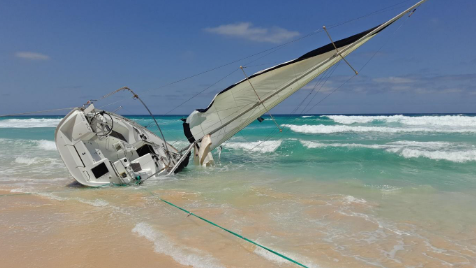
With its unique coastline and numerous lakes, Connecticut is a haven for boating enthusiasts. However, this popularity also comes with risks.
According to the latest data from the U.S. Coast Guard, Connecticut witnessed over 100 boating accidents last year. These accidents led to numerous injuries and several fatalities.
These statistics underscore the importance of understanding the causes behind these accidents to prevent them. Additionally, they signify the role of boating accident lawyers in Connecticut.
This article will explore five common reasons why boating accidents happen in Connecticut.
1. Inexperienced Operators
One of the leading causes of boating accidents in Connecticut is operators’ inexperience. Boating requires specific skills and knowledge that many new or casual boaters may lack.
Operating a boat is not as straightforward as driving a car; it involves understanding water navigation rules. Handling the vessel in different weather conditions and knowing how to react in emergencies is also essential.
Inexperienced operators may struggle with basic tasks like docking, turning, or managing the boat’s speed. According to the U.S. Coast Guard, many boating accidents involve operators with less than 100 hours of experience on the water.
2. Alcohol Use
Alcohol consumption is another major factor contributing to boating accidents in Connecticut. Operating a boat under the influence of alcohol is illegal and dangerous, yet it remains a prevalent issue.
Alcohol impairs judgment, slows reaction times, and reduces coordination—all crucial when navigating a boat. Statistics show that alcohol is a leading cause of fatal boating accidents nationwide, and Connecticut is no exception.
Alcohol was a factor in nearly 30% of boating-related fatalities in the state last year. The combination of alcohol and the challenging conditions on the water, such as waves, wind, and sun glare, can create a deadly mix.
3. Excessive Speed
Speeding is a common cause of boating accidents in Connecticut. Many boaters, particularly those with powerful vessels, underestimate the dangers of excessive speed on the water.
Unlike roads, waterways do not have speed limit signs, and the consequences of speeding can be severe. When a boat travels at high speeds, it becomes more challenging to control, especially in areas with heavy traffic.
4. Weather Conditions
Connecticut’s weather can be unpredictable, and sudden changes in conditions are a significant factor in boating accidents. Many boaters underestimate the impact that weather can have on their safety.
High winds, heavy rain, fog, and thunderstorms can create hazardous conditions that make navigation difficult. Rough seas and strong currents, particularly in the Long Island Sound, can overwhelm even experienced boaters.
Additionally, fog can reduce visibility to near zero, making it difficult to see other vessels, navigation markers, or the shoreline.
5. Equipment Failure
Equipment failure is another common cause of boating accidents in Connecticut. Boats are complex machines that require regular maintenance. Among the various equipment on a boat, containment booms can play a crucial role in case of an oil or fuel leak. Containment booms are used to prevent the spread of oil or other pollutants in the water. However, if they are not properly maintained, they may not function as intended during an emergency. Just like any other equipment on a boat, containment booms need to be regularly inspected for damage, wear and tear, and proper storage conditions. If a boat has a fuel or oil leak due to equipment failure, and the containment booms are inoperable, it can lead to environmental disasters in addition to the boating accident itself.
Unfortunately, many boat owners neglect this aspect of boat ownership, leading to mechanical issues that can cause accidents.
Conclusion
Boating in Connecticut is a unique and enjoyable experience but comes with risks that should not be underestimated. Understanding the above causes is the first step in preventing accidents and ensuring a safe and pleasant time on the water.
