

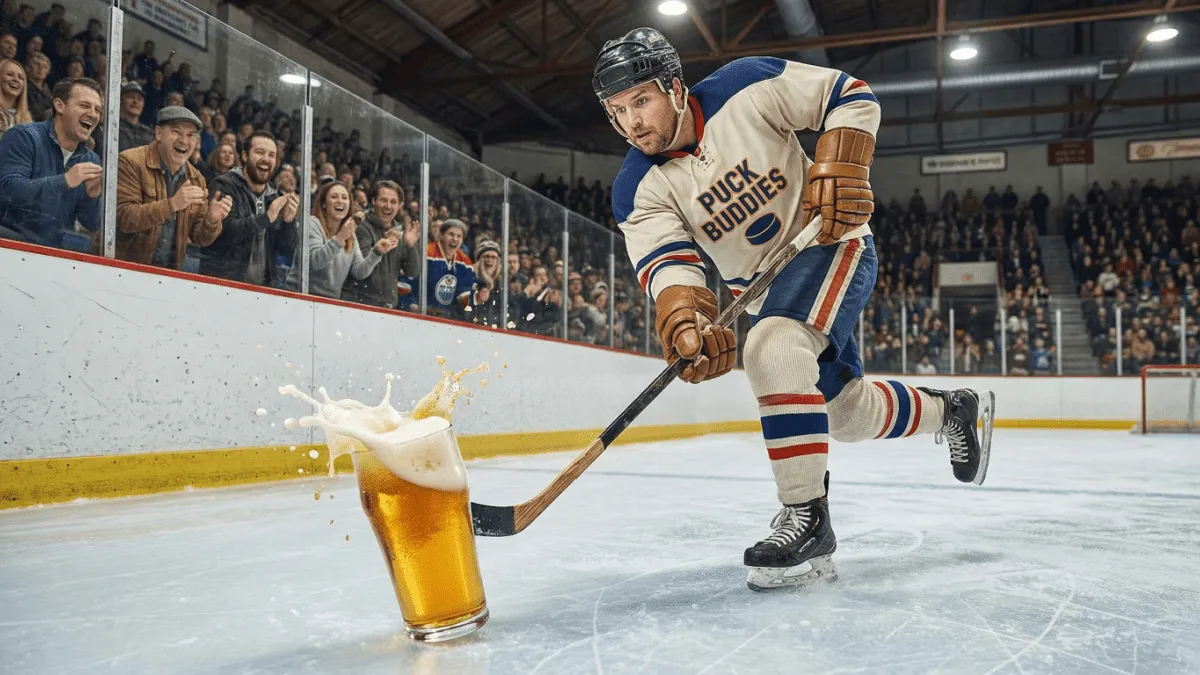
Alcohol and sport go pretty hand in hand in this day and age, whether it be standing on the terraces watching the match, or cooling down after a game of football or rugby. Even in high-profile, high pressure environments, sharing a drink after a match is seen as a way to bond, celebrate victories, or even commiserate after defeat.
It’s often seen as a harmless tradition that strengthens team spirit. But, is it really? You only have to look at the Arsenal team of the 1990s to see how problematic it can be, with several players requiring advice from various alcohol detoxification centres. Growing awareness of mental health, physical wellbeing and substance misuse has started to prompt a more critical examination of this culture, from the top right down to grassroots. So, the question is, is alcohol in team sports simply a longstanding ritual, or has it become a deeper, more problematic issue?
The Roots of Drinking Traditions in Sport
The connection between alcohol and team sports is deeply historical. In many parts of the UK, grassroots clubs have been centred around pubs or social spaces where drinking is part of the experience. Post-match pints have traditionally served as a way for players to relax, reflect, and build camaraderie. These rituals often carry a sense of belonging and identity, particularly in amateur and semi-professional settings. Over time, such practices have become normalised, passed down from one generation of players to the next without much scrutiny.
Team Bonding or Peer Pressure?
One of the most commonly cited benefits of alcohol in team sports is its role in bonding. Drinking together can lower inhibitions, encourage social interaction, and help integrate new team members. However, this dynamic can quickly shift into something more problematic. Players who choose not to drink, whether for personal, religious, or health reasons, may feel excluded or pressured to conform. In some environments, participation in drinking rituals is seen as a sign of commitment to the team, blurring the line between inclusion and coercion.
The Impact on Physical Performance
From a performance perspective, regular alcohol consumption can have clear downsides. It affects recovery, hydration, sleep quality, and overall fitness, key factors for any athlete. While occasional social drinking may not significantly impact performance, a culture that encourages frequent or excessive consumption can undermine both individual and team potential. For younger athletes in particular, early exposure to heavy drinking norms may hinder long-term development and attitudes towards health.
Mental Health and Coping Mechanisms
Alcohol is often used as a coping mechanism in high-pressure environments, and team sports are no exception. Players dealing with injuries, performance anxiety, or competitive stress may turn to drinking as a way to unwind. In such cases, what begins as a social activity can evolve into reliance. The normalisation of alcohol within the team setting can make it harder to recognise when usage becomes unhealthy, potentially masking deeper mental health challenges.
Professional Sport and Changing Attitudes
In recent years, professional sport has begun to shift its stance on alcohol culture. Many clubs and organisations now promote healthier lifestyles, with stricter guidelines around drinking, particularly during the season. Education on nutrition, recovery, and mental wellbeing has encouraged athletes to reconsider traditional habits. Despite this progress, remnants of old attitudes still persist, especially in celebratory contexts or off-season environments.
Grassroots Sport and the Challenge of Change
While professional sport may be evolving, grassroots levels often face greater challenges in changing established norms. Local clubs frequently rely on bar sales as a source of income, making alcohol central not just socially but financially. This creates a complex situation where reducing drinking culture may impact club sustainability. Nevertheless, some organisations are exploring alternatives, such as promoting inclusive social events that do not revolve solely around alcohol.
