

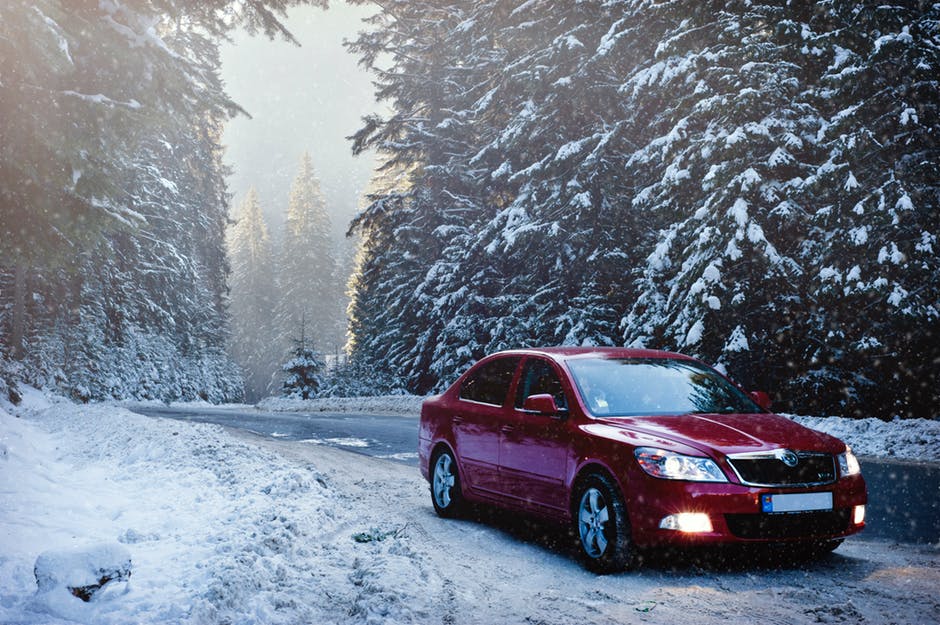
Driving in North Carolina’s unpredictable weather can be challenging, even for the most experienced drivers. Sudden downpours, icy roads, and thick fog can turn a routine drive into a stressful experience. Many accidents occur during poor weather conditions simply because drivers are unprepared or unaware of how to adjust their driving habits. When conditions change, so should the way you handle your vehicle.
Unfortunately, accidents still happen, even when drivers take extra precautions. If you or a loved one has been injured in a weather-related crash, seeking guidance from an experienced Charlotte car accident lawyer near me can make all the difference. The legal team at Rosensteel Fleishman Car Accident & Injury Lawyers in Charlotte has helped countless individuals navigate the complexities of personal injury claims, ensuring they receive the compensation they deserve.
Whether you’re facing heavy rain, sleet, or black ice, it’s crucial to understand how to adjust your driving habits to minimize risks. Here are five essential tips for staying safe on North Carolina’s roads when the weather takes a turn for the worse.
Adjust Your Speed to Match Road Conditions
Many drivers assume that as long as they’re following the speed limit, they’re driving safely. However, speed limits are set for ideal conditions, not for heavy rain, fog, or icy roads. When the weather deteriorates, slowing down is one of the most effective ways to prevent accidents.
Driving too fast in bad weather increases the chances of hydroplaning, skidding, or losing control of your vehicle. Even if the road doesn’t appear slick, wet pavement can reduce traction significantly. Reduce your speed, maintain extra following distance, and avoid sudden acceleration or braking.
Why Slower Speeds Matter in Bad Weather
Wet and icy roads lengthen stopping distances, sometimes doubling or tripling the space needed to come to a full stop. A vehicle traveling at 60 mph in dry conditions may need only 120 feet to stop. However, that distance can increase dramatically on wet or icy roads. By reducing your speed, you give yourself more time to react to sudden stops, obstacles, or other drivers who may lose control.
If another driver’s reckless speed in poor weather causes a collision, speaking with a Charlotte personal injury lawyer can help you determine the next steps in protecting your rights.
Increase Your Following Distance
Tailgating is dangerous in any weather, but when roads are slick, it can be even more hazardous. Many rear-end accidents happen because drivers don’t allow enough space between their vehicle and the one in front of them. A safe following distance in dry conditions is typically three to four seconds. However, in rain, fog, or icy weather, that distance should be increased to at least six seconds.
How to Measure a Safe Following Distance
To check if you’re maintaining a safe gap, choose a stationary object on the side of the road, like a road sign or a tree. When the car in front of you passes it, count the seconds until your car reaches the same point. If you reach it in less than six seconds in wet or icy conditions, you need to slow down and increase your distance.
If a careless driver rear-ends you in bad weather, it’s essential to consult with a car accident attorney in Charlotte, NC who understands how to build a strong case based on weather-related road hazards.
Keep Your Headlights On, Even During the Day
Many drivers assume headlights are only necessary at night, but visibility is often just as compromised during heavy rain, snow, or fog. Turning on your headlights, even during the day, ensures that other drivers can see you and helps prevent accidents caused by low visibility.
When to Use Low Beams vs. High Beams
In foggy or rainy conditions, use low beams rather than high beams. High beams can reflect off moisture in the air, creating glare that makes it even harder to see. If visibility is severely limited, pull over in a safe location rather than continuing to drive.
Accidents in low-visibility conditions are common, and insurance companies may try to deny claims by blaming poor weather rather than driver negligence. A personal injury lawyer in Charlotte can help prove the real cause of an accident and hold the responsible driver accountable.
Avoid Sudden Movements and Hard Braking
Smooth and steady driving is essential when the weather is bad. Sudden acceleration, sharp turns, or hard braking can cause a vehicle to lose traction, leading to skidding or hydroplaning.
If you start to skid, resist the urge to slam on the brakes. Instead, gently steer in the direction you want the car to go while easing off the accelerator. If your car begins to hydroplane, do not panic—gradually lift your foot off the gas and steer straight until you regain control.
How Black Ice Increases the Danger
One of the most dangerous winter hazards is black ice, a thin, transparent layer of ice that forms on the road. Because it’s nearly invisible, many drivers don’t realize they’ve hit black ice until it’s too late. If you encounter a patch of ice, avoid sudden movements and let your vehicle pass over it smoothly.
Weather-related accidents involving black ice can be difficult to navigate legally, as insurance companies may argue that the conditions were unavoidable. Speaking with a personal injury law firm that understands North Carolina’s liability laws can help you fight for fair compensation.
Know When to Stay Off the Road
Sometimes, the safest choice is to avoid driving altogether. If weather forecasts predict extreme conditions, such as heavy snowfall, freezing rain, or severe storms, consider postponing your trip. No destination is worth risking your safety.
What to Do If You Must Drive in Severe Weather
If driving is unavoidable, prepare by checking road conditions and planning a safer route. Ensure your car is equipped with emergency supplies, including a flashlight, blankets, and a charged phone.
Even the most cautious drivers can find themselves in accidents caused by someone else’s negligence. If you’ve been injured due to another driver’s carelessness in inclement weather, seeking legal help from a Charlotte lawyer can protect your rights.
Why Choosing a Local Law Firm Matters
After an accident, working with a personal injury attorney in Charlotte who understands North Carolina’s traffic laws and liability regulations can make a significant difference in your case. Rosensteel Fleishman Car Accident & Injury Lawyers have extensive experience handling weather-related accidents and helping clients recover damages for medical bills, lost wages, and other losses.
Our Law Firm’s Charlotte Office Location
Their team is dedicated to providing personalized, compassionate legal support. “We understand how overwhelming it can be to deal with insurance companies after an accident,” says Corey Rosensteel. “Our goal is to take the legal burden off your shoulders so you can focus on healing.”
Contact Rosensteel Fleishman for a Free Consultation
If you or a loved one has been injured in a weather-related accident, you don’t have to handle it alone. The legal team at Rosensteel Fleishman is ready to help you understand your options and fight for the compensation you deserve. Call 1-704-714-1450 today for a free consultation with an experienced car accident attorney in Charlotte, NC.
