

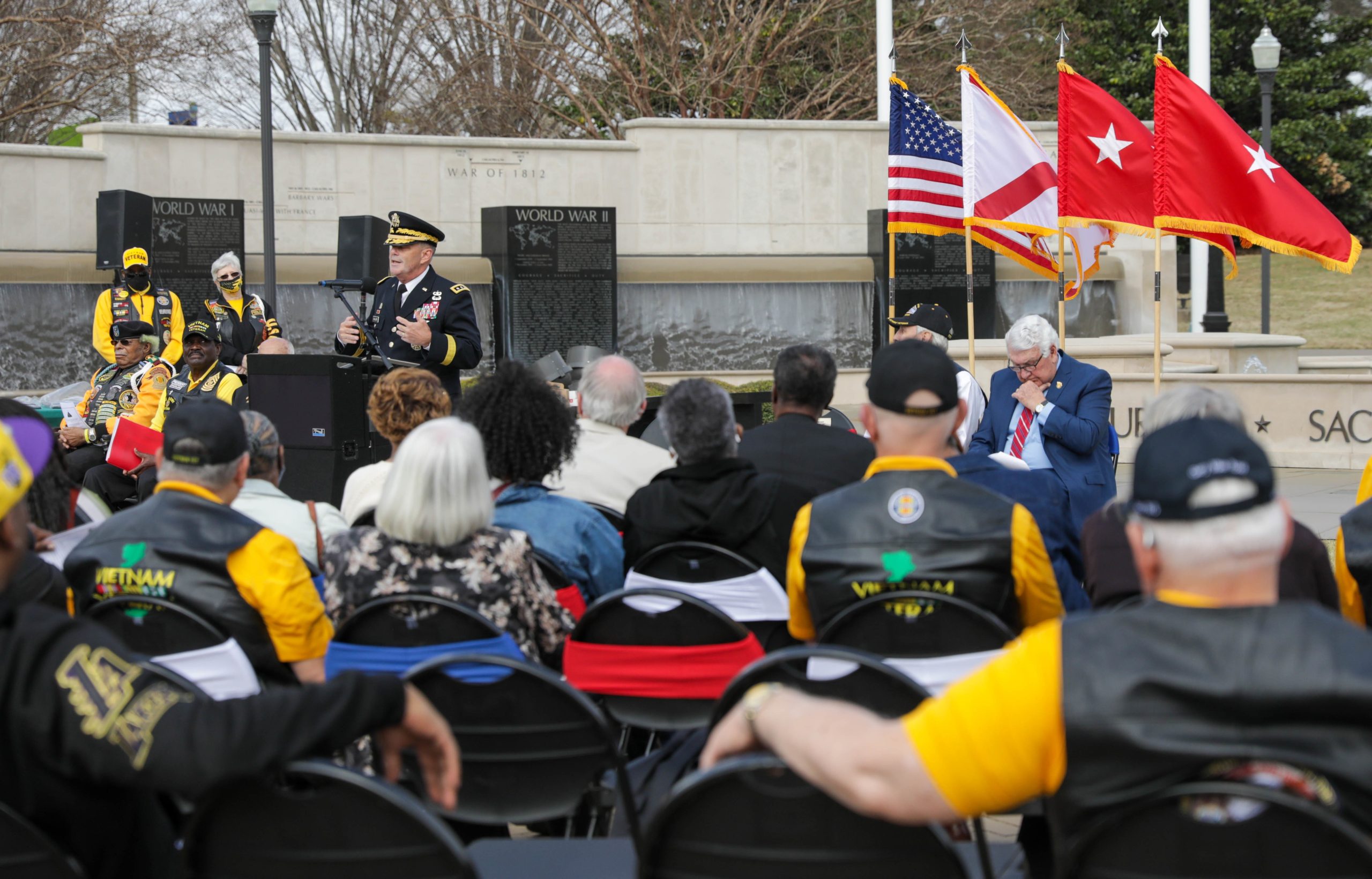
Vietnam Veterans Day, observed each year on March 29, honors the service and sacrifice of those who served during the Vietnam War. The day marks the anniversary of the withdrawal of U.S. combat troops from Vietnam in 1973 and recognizes the contributions of veterans who returned home to a complex and often challenging reception.
Today, communities commemorate the day through education, ceremonies, and visible signs of respect, such as patriotic shirts, helping ensure that Vietnam veterans’ experiences are remembered and understood. The stories behind this observance highlight courage, commitment, and resilience in the face of extraordinary circumstances.
1. Dr. Mary Edwards Walker and the Vietnam Army Nurse Corps
While combat roles often dominate discussions of the Vietnam War, the experiences of medical personnel reveal a different form of courage. Army nurses serving in Vietnam worked under constant pressure, treating severe injuries in field hospitals often located near active combat zones.
One such group was the Vietnam-era Army Nurse Corps, whose members provided lifesaving care despite limited resources and frequent danger. Their work required long hours, emotional endurance, and rapid decision-making, underscoring the critical role medical professionals played in supporting service members during the conflict.
2. Specialist Five Dwight Birdwell at the Battle of Tan Son Nhut
Dwight Birdwell, a member of the U.S. Army, demonstrated extraordinary commitment during the Tet Offensive in 1968. Stationed at Tan Son Nhut Air Base, Birdwell volunteered to operate a tank after its crew was incapacitated. He repeatedly drove into hostile areas to rescue wounded soldiers, even after being injured himself.
His actions under sustained enemy fire resulted in the saving of multiple lives. Birdwell later received the Medal of Honor, and his story continues to represent selflessness and determination under extreme conditions.
3. Captain Humbert “Rocky” Versace and Resistance in Captivity
Captain Humbert “Rocky” Versace’s story highlights courage beyond the battlefield. Captured in 1963, Versace was held as a prisoner of war in Vietnam. During captivity, he resisted enemy propaganda efforts and upheld military conduct despite harsh treatment.
His refusal to cooperate and his efforts to maintain morale among fellow prisoners reflected a deep commitment to duty and values. Versace was posthumously awarded the Medal of Honor, and his legacy illustrates the strength required to endure captivity with integrity.
4. The 1st Cavalry Division at Ia Drang
The Battle of Ia Drang in 1965 marked one of the first major engagements between U.S. forces and North Vietnamese troops. Soldiers of the 1st Cavalry Division faced intense combat conditions, relying on coordination and discipline to hold their positions.
Despite being outnumbered, the unit maintained operational effectiveness over several days of fighting. The collective actions of the division demonstrated how commitment and teamwork played a critical role in early Vietnam War operations, shaping military strategy for years to come.
5. Medal of Honor Recipient Sammy L. Davis
Sammy L. Davis, a U.S. Army artilleryman, was recognized for his actions during a prolonged attack on his fire support base in 1967. After being wounded, Davis continued to assist fellow soldiers and defend the position against repeated assaults.
His refusal to leave the battlefield until others were safe exemplified a deep sense of responsibility and resolve. Davis later used his platform to advocate for veterans’ recognition, extending his commitment beyond active service.
6. Vietnam Veterans of America and Collective Advocacy
Beyond individual stories, organized veteran groups have played an important role in preserving the legacy of Vietnam service members. Vietnam Veterans of America was founded to address issues related to recognition, healthcare, and public awareness.
The organization has worked to make sure veterans’ experiences are accurately represented and that long-term challenges are addressed. This collective commitment highlights how service continues long after military duty ends and reinforces the importance of community and advocacy.
The Importance of Sharing Vietnam Veterans’ Stories
Real stories from Vietnam veterans help provide context to a complex chapter in history. These accounts offer insight into both combat and non-combat experiences, illustrating the diverse ways service members contributed.
Sharing these narratives supports education and fosters a more complete understanding of the war’s impact on individuals and communities. Public recognition encourages respectful dialogue and helps bridge generational gaps in historical knowledge.
Remembering Service Through Enduring Stories
Vietnam Veterans Day recognizes the inspiring individuals and groups whose courage and commitment shaped their service and lives beyond the war.
By sharing real stories of Vietnam veterans, veterans and their communities can rest assured that their experiences remain visible and valued in modern American society. These narratives reinforce the importance of remembrance, respect, and continued acknowledgment of those who served during a defining period in American history and whose families carry their stories into future generations.
