



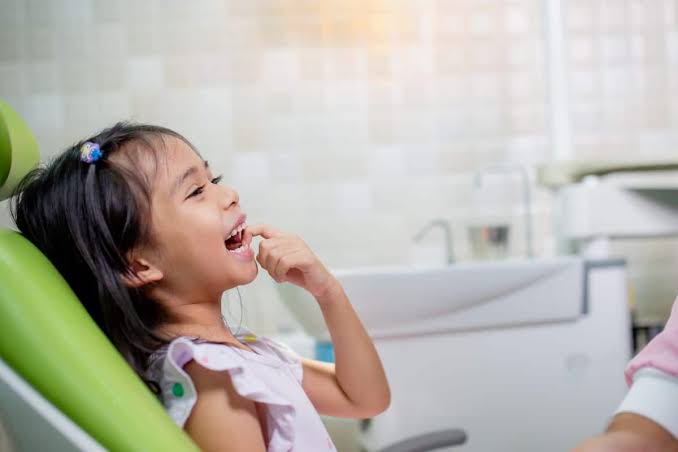
You might be feeling a familiar knot in your stomach every time you think about taking your child to the dentist. Maybe you remember your own childhood visits, the bright lights, the strange sounds, the smell of antiseptic, and you worry your child will feel the same fear. Or maybe you have already tried one dental office in Abilene, your child melted down in the waiting room, and now you are wondering if it has to be this hard every single time.end
Because of this tension, you might be asking yourself a simple question. Is there such a thing as a truly child friendly family dentist, or is that just a phrase people put on websites. The short answer is yes, there absolutely are practices that design everything around children. When a family dentistry office is intentional, it can turn a stressful appointment into a calm, sometimes even positive, experience for your child and for you.
This guide walks through six specific ways a child friendly family dental practice creates that safer, softer environment. You will see what to look for, why these details matter, and how to tell if a dentist is genuinely prepared for kids, including those with special health care needs. By the end, you will know what questions to ask and how to choose a place where your child can feel understood, not pressured.
Why do kids fear the dentist, and what can a family dentist do differently?
Many children are not afraid of teeth cleaning or fillings. They are afraid of the unknown. New faces, unfamiliar tools, odd chair positions, and the expectation to “be good” all at once can easily overwhelm a child, especially if they are anxious, sensitive to sound, or have had a bad medical experience before.
When this fear is not handled well, it can snowball. A rushed or dismissive interaction can turn manageable nervousness into long term dental anxiety. That affects oral health, because a child who refuses to go to the dentist often becomes an adult who avoids care until pain is severe and costly.
So where does that leave you. It means the environment and behavior of the dental team matter just as much as the treatment itself. The American Academy of Pediatric Dentistry (AAPD) even publishes detailed guidance on behavior guidance for pediatric dental patients, which many family practices follow when they care for children.
Here are six ways truly child focused family dentistry offices put that guidance into action.
1. How does the waiting room set the tone for your child’s visit?
The experience starts before anyone looks in your child’s mouth. A child friendly office understands that the waiting room is where anxiety either builds or eases. Instead of hard chairs, loud TV, and old magazines, you might see a small play corner, books at child height, soft colors, and staff who greet your child by name, not just you.
Imagine you walk in and the receptionist bends down, smiles at your child, and says, “Hi, we are so glad you are here. Do you want to pick a sticker now or after your visit.” That one moment tells your child they matter. It also signals that the adults in this space expect children to be children, not quiet mini adults.
2. What does “kid friendly communication” look like in the chair?
Once your child is in the dental chair, language becomes the most powerful tool. A thoughtful family dentist will avoid technical jargon and scary words. They might say “sleepy juice” instead of “anesthetic injection” or “counting your teeth” instead of “examining your oral cavity.”
Many practices use a “tell show do” approach. They explain what will happen in simple terms, they show the mirror or suction on your child’s hand, then they gently perform the step. This method builds trust because your child is not surprised by a sudden sensation or noise. It also fits with evidence based behavior guidance methods recommended by pediatric dental experts.
3. How do family dentists handle fear, meltdowns, or special needs?
Even in the best setting, some children will cry, refuse to open their mouth, or become overwhelmed. This is especially true for children with autism, ADHD, sensory processing differences, or complex medical conditions. A child friendly family dental practice prepares for this, instead of reacting with frustration or pressure.
For children with special health care needs, good offices often follow the principles found in AAPD guidance on the management of dental patients with special health care needs. That might include longer appointments, quieter times of day, dimmed lights, or pre-visit tours. You should see patience in action. The team pauses, gives your child time to regulate, and adjusts the plan rather than forcing them through a rigid schedule.
When a practice is not prepared, the opposite happens. Staff may seem annoyed, rush through treatment, or suggest heavy sedation as the first option. That is not behavior you have to accept.
4. What role do rewards, routines, and choices play in a child friendly visit?
Children respond strongly to structure and positive reinforcement. Many family dentists create simple routines. For example, every visit might follow the same pattern. Say hello, choose a toothbrush color, count teeth, clean teeth, then pick a prize. Over time, that predictability lowers fear because your child knows what comes next.
Small choices also help your child feel some control. Choosing a flavor of toothpaste, a cartoon on the ceiling screen, or whether they sit on your lap for the first part of the visit can make a big difference. When a dentist invites these choices, your child feels less like something is being “done to them” and more like they are part of the process.
Rewards are not just toys at the end. Genuine praise for brave behavior, even tiny steps like “You opened your mouth for three seconds, that was strong,” can slowly reshape how your child sees dental visits.
5. How do safety and training support a truly child centered practice?
Behind the scenes, the safest family dentistry for children relies on training and clear protocols. The AAPD outlines how dentists should gain and maintain privileges if they use advanced behavior guidance tools such as sedation. You can see this in their statement on the delineation of privileges for sedation and anesthesia.
While many routine visits never involve sedation, it is reassuring to know the practice respects these standards. You can ask how often the team refreshes their pediatric training, what emergency drills they run, and how they decide when to pause treatment instead of pushing a fearful child to continue. Thoughtful answers are a good sign that the office cares about long term trust, not just getting through today.
6. What visual and sensory details show that a dentist truly thought about kids?
Children notice everything. A truly kid centered family dentist thinks about sound, light, and sight. Handpieces might be quieter models. Lights may have covers that soften the brightness. Some offices offer noise cancelling headphones or a favorite show to distract from unfamiliar sounds.
The décor does not have to be a cartoon theme, although that can help. What matters more is that the space feels warm, not clinical. Wall art at child height, step stools in bathrooms, and small blankets for cold kids all send a message. “You belong here. We expected you.”
Comparing typical offices to child focused family dentistry
When you are choosing a practice, it can help to compare what you might see in a general office that occasionally sees children versus a truly child friendly family practice.
| Feature | General Dental Office | Child Friendly Family Dentistry |
|---|---|---|
| Waiting room | Adult seating, TV, limited child activities | Play area, children’s books, child height furniture, calm atmosphere |
| Staff interaction | Focus on parent, quick greetings to child | Direct eye contact with child, name used, simple explanations |
| Behavior guidance | “Please sit still” repeated, little adjustment to fear | Use of “tell show do,” breaks, positive reinforcement, flexible pacing |
| Special needs support | Limited experience, no clear plan for sensory or behavioral needs | Extra time scheduled, sensory adjustments, follows AAPD guidance |
| Sensory environment | Bright lights, louder tools, adult oriented décor | Softer lighting, distractions like screens or music, child aware décor |
What can you do right now to find the right family dentist for your child?
It is easy to feel stuck, especially if you have already had a hard experience, yet a few focused steps can move you forward.
- Call ahead and ask very specific questions
When you contact a potential office, ask how many children they see each week, what they do if a child refuses treatment, and how they support kids with anxiety or special needs. Notice not just the answers, but the tone. Do they sound rushed, or do they seem comfortable talking about children’s behavior and emotions.
- Request a non treatment visit first
Ask if you can bring your child for a quick “hello” visit. A short tour of the waiting room and a chance to sit in the chair without any procedure can dramatically lower fear. A child centered office will usually welcome this and may even suggest it themselves.
- Prepare your child with honest, simple stories
Before the appointment, talk about what will happen in plain language. You can read a children’s book about the dentist, role play at home, or practice opening wide in front of a mirror. Emphasize that you will be there, and that the dentist’s job is to keep their teeth strong, not to trick or punish them.
Feeling more prepared as you choose a child friendly family dentist
If you have read this far, you care deeply about how your child feels, not just about getting their teeth cleaned. That care is already shaping their future relationship with dental health. A truly child friendly family dentistry practice will meet you in that concern. It will offer patience instead of pressure, clear guidance instead of judgment, and an environment where your child can slowly build trust.
You do not have to accept rushed visits, shaming comments, or an office that “does not really do kids.” With the right questions and a clear picture of what to look for, you can find a family dentist who supports both your child’s mouth and their sense of safety.


