

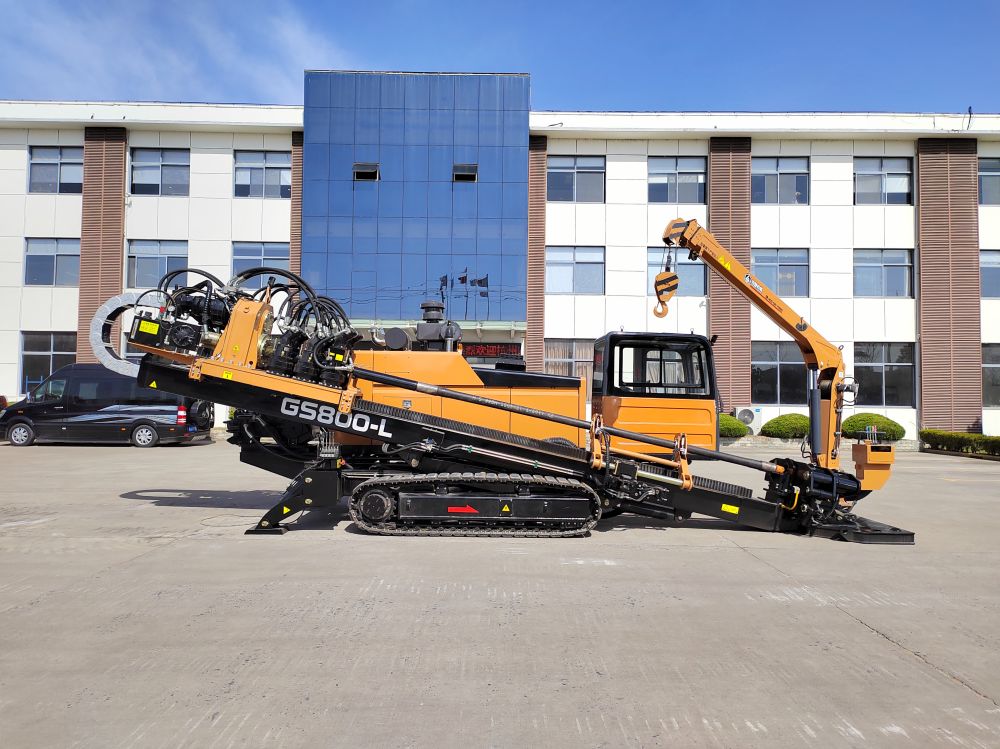
Durability is non-negotiable for underground infrastructure projects. This is especially true for using trenchless equipment for pipe repair, replacement, and installation. With these tools, it’s no longer necessary to tear up yards, streets, or sidewalks for pipe repair. Instead, trenchless tools offer a less invasive, faster, and more efficient method. But why have these tools become the standard of durability in the industry, and what should you consider when using them?
Here, we discuss the key aspects of trenchless tools and why they are the standard of durability.
Why Durability is Key in Trenchless Technology
Durability leads to more consistent results. Trenchless tools are designed to operate in harsh, underground environments—places where conditions are unpredictable and pressure is high. The pipes they repair or replace may need to last decades, which means the tools themselves must perform with both precision and endurance.
The long-term strength of trenchless technology is an undeniable talking point. Unlike traditional excavation methods, epoxy pipe lining products leave no room for error. You need equipment that can withstand tough environments while delivering consistent results. If the tools you use don’t hold up, it’s not just a failure of the project—it’s a failure of your reputation and bottom line.
Moreover, choosing the right tools enhances your ability to maintain quality, reduce costs in the long run, and avoid delays due to equipment failure. Trenchless technology is a forward-thinking solution built for today’s business climate, where efficiency and reliability rule. With the proper durable tools, you’re set to meet those standards.
How Trenchless Tools Achieve Durability
You might wonder: What makes trenchless pipe lining equipment so durable? It’s all about the materials, design, and testing involved in their creation. Manufacturers build these tools with strength in mind, using high-grade metals and other resilient materials to maintain longevity.
Key aspects of trenchless tools’ durability include:
- Materials: The metals and composites used in trenchless tools are chosen for their resistance to corrosion, wear, and tear. For instance, high-strength steel or advanced polymers can endure constant exposure to wet, underground environments without rusting or degrading.
- Precision Engineering: Trenchless tools are designed with precision. Each component is crafted to work seamlessly under pressure, whether drilling through soil or installing a new pipe. Their robustness means they can handle heavy workloads and demanding conditions.
- Testing and Quality Assurance: Before trenchless tools hit the market, they go through rigorous testing so that they can meet industry standards. These tests simulate the challenging conditions the tools will face, guaranteeing they are up to the task.
Trenchless tools are not only durable but are also designed to perform consistently, no matter the environment. This consistency is critical for maintaining the confidence of your clients and keeping your business running smoothly.
What If You Use Less-Durable Tools
Even the most durable trenchless tool requires upkeep to maintain durability. So, what happens if the durability of your tools fails?
- Project Delays: If your equipment breaks down mid-project, it leads to immediate delays. In a business where time is money, waiting for replacement parts or tools can quickly eat into your profit margin and damage your relationship with the client.
- Increased Costs: A failure in equipment can lead to costly repairs—not just for the tools themselves but also for the project. Imagine the impact on your budget if a burst pipe needs to be repaired using emergency measures because the trenchless tool didn’t do its job correctly.
- Reputation Damage: Durability isn’t just about tools lasting longer; it’s about making sure the project is completed successfully. If your tools fail, it reflects poorly on your business. Your clients expect reliability, and if you don’t meet those expectations, you could lose future contracts.
These potential setbacks underscore why durable tools are an essential investment for any company using trenchless technology. When you are on the fence about purchasing trenchless equipment for sale, remember they can safeguard the success of your projects.
Conclusion: Trenchless Tools as a Standard of Durability
Trenchless tools set the standards of durability for pipe lining systems. Their top-notch design and quality materials allow them to withstand the harsh conditions of underground environments, offering a reliable solution that gets the job done right the first time. For business owners, this means reduced costs, increased efficiency, and a safeguard for your reputation.
Choosing durable means setting your business up for success. Investing in reliability now can prevent headaches and costly failures. With durable tools, every project you take on is completed on time, within budget, and to the satisfaction of your clients.
