

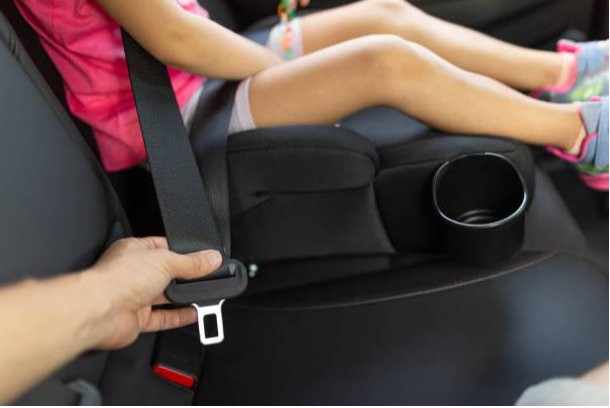
Child passenger safety matters long after an accident because the effects of a crash may continue even after a child leaves the hospital. Children can experience lasting physical injuries, emotional distress, and changes in their daily routines. Proper car seat use, medical follow-ups, and ongoing care can help protect their health and support their recovery.
Understanding Texas car seat laws 2026 can help parents and caregivers make informed decisions about child passenger safety. Following age-appropriate restraint requirements helps reduce the risk of serious injuries during a crash. However, legal compliance is only one part of keeping children safe. Parents must also understand how injuries can affect a child’s well-being over time.
After an accident, the focus often shifts to vehicle damage, insurance claims, and immediate medical treatment. Yet, a child’s safety needs do not end when the accident scene is cleared. Recognizing the long-term effects of a crash can help families take the right steps toward recovery and prevention.
Long-Term Physical Effects of a Car Accident
Children may experience injuries that require care for weeks, months, or even longer. Head injuries, fractures, neck pain, and soft tissue damage can affect their ability to play, attend school, or participate in regular activities. Some symptoms may also appear hours or days after a crash.
Parents should watch for changes in sleep, balance, appetite, behavior, or physical activity. Medical evaluations and follow-up appointments can help identify problems that may not be obvious immediately after the accident. Early attention can also help children receive the support they need.
Emotional and Behavioral Changes After a Crash
A car accident can be frightening for a child, even when physical injuries appear minor. Some children may develop a fear of traveling in vehicles, become anxious around traffic, or have trouble sleeping. Younger children may struggle to explain their feelings, while older children may avoid discussing the accident.
Parents can support recovery by maintaining familiar routines, listening without judgment, and reassuring children that their feelings are understandable. If fear or anxiety continues to affect everyday life, a qualified mental health professional may help.
The Role of Car Seats in Preventing Injuries
Car seats and booster seats are designed to protect children according to their size and developmental needs. Using the correct restraint and installing it properly can help reduce the risk of serious injury during a crash.
Parents should check that the seat fits the child, follows the manufacturer’s instructions, and is secured correctly. A child should not move to a seat belt alone simply because they seem tall enough or want to sit like an adult. They should also check the car seat manufacturer’s guidance after a crash, as some seats need replacement depending on the crash conditions and product instructions.
Why Follow-Up Care and Documentation Matter
Keeping medical records, treatment notes, and details about changes in a child’s behavior can help families track recovery. These records may also be useful when discussing treatment needs with healthcare providers or addressing an insurance claim.
Parents should report new or worsening symptoms to a healthcare professional rather than assuming they will resolve on their own. With consistent care, appropriate safety measures, and emotional support, families can better address the lasting effects of a crash and help children move forward with confidence.
Key Takeaways
- Child passenger safety remains important after an accident because injuries and emotional effects may appear later.
- Medical follow-ups help identify lasting injuries and support a child’s recovery.
- Parents should watch for changes in a child’s behavior, sleep, and physical activity after a crash.
- Correct car seat use and proper installation help reduce the risk of serious injuries.
- Keeping medical records and seeking timely care can help families manage recovery and document ongoing needs.
