

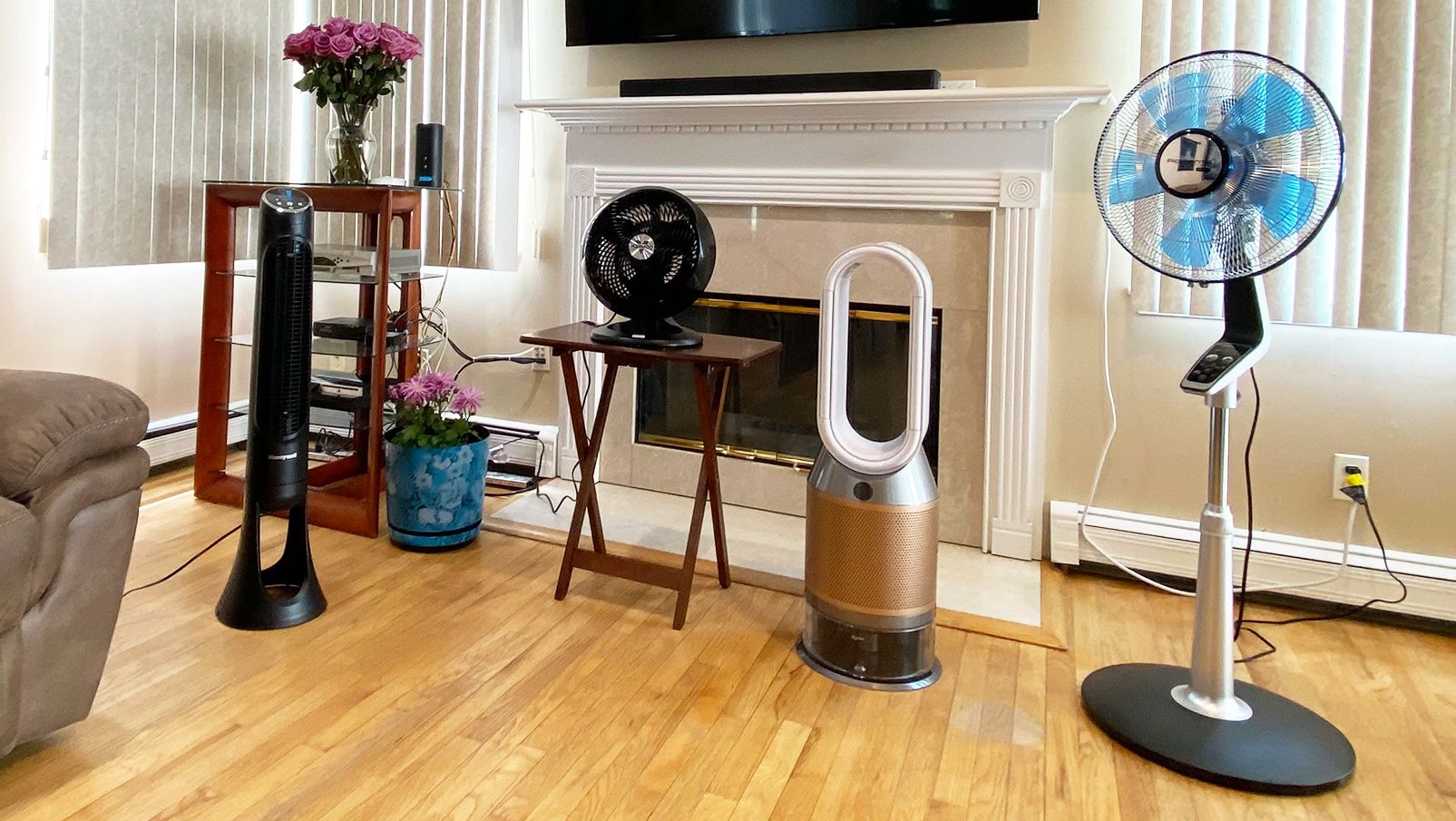
In an era where technology seamlessly integrates into every aspect of our lives, smart fans are redefining how we experience comfort at home and work. These innovative devices combine cutting-edge automation, energy efficiency, and sleek design to deliver personalized cooling solutions. Whether you’re upgrading a compact apartment, a bustling office, or a cozy bedroom, smart fans offer a futuristic approach to staying cool. Dive into this guide to discover how smart fans are transforming spaces in 2025.
Why Smart Ceiling Fans Are a Game-Changer
Gone are the days of basic cooling. Smart ceiling fans are engineered to optimize comfort while aligning with modern lifestyles. Here’s why they’re indispensable:
- Intelligent Energy Efficiency
Smart fans use AI-driven sensors and adaptive controls to adjust speed based on room temperature, occupancy, and humidity. This precision reduces energy waste, slashing power consumption by up to 65% compared to traditional fans. - Space-Smart Design
Compact yet powerful, these fans fit seamlessly into small rooms, kitchens, or home offices without overwhelming the space. Their minimalist aesthetics complement modern interiors. - Seamless Smart Integration
Control your fan via voice commands (Alexa, Google Assistant), smartphone apps, or automated schedules. Some models sync with smart thermostats to maintain your ideal climate. - Long-Term Savings
Though pricier upfront, smart fans pay off through lower electricity bills, extended lifespans, and reduced maintenance costs.
Smart Ceiling Fans vs. Traditional Table Fans: Which Wins?
While table fans offer portability, smart ceiling fans deliver unmatched convenience and efficiency. Here’s a breakdown:
| Feature | Smart Ceiling Fans | Table Fans |
| Energy Use | 10–50W (auto-adjusts based on needs) | 30–100W (fixed speeds, less efficient) |
| Cooling Range | Whole-room airflow with even distribution | Localized cooling (ideal for desks/beds) |
| Noise Level | Near-silent operation (BLDC motors + noise damping) | Often loud at higher speeds |
| Smart Features | Voice control, geofencing, climate sync, energy tracking | Basic controls (manual/remote) |
| Installation | Fixed to ceiling (requires setup) | Plug-and-play portability |
| Cost | Higher initial cost, long-term savings | Affordable upfront, higher energy costs |
Choose based on your needs:
- Whole-room comfort + automation: Smart ceiling fan.
- Portability + simplicity: Table fan (but expect fewer features).
Key Features to Look for in a Smart Fan
Not all smart fans are created equal. Prioritize these features for maximum value:
1. Adaptive Airflow & Sweep Size
Blade span (sweep size) still impacts airflow. Compact models suit tight spaces, while
larger sweeps enhance circulation in bigger rooms.
| Room Size | Ideal Sweep Size |
| <30 sq ft (bathrooms) | 24 inches (600mm) |
| 30–65 sq ft (bedrooms) | 35 inches (900mm) |
| 65–120 sq ft (offices) | 47 inches (1200mm) |
Pro Tip: For rooms over 200 sq ft, use multiple fans or pair with a smart AC for optimal cooling.
2. Energy-Saving Modes
Look for ENERGY STAR-certified models with modes like:
- Eco Mode: Slashes power use to 3–10W by optimizing speed.
- Sleep Mode: Gradually reduces speed overnight (5W) for silent cooling.
- Boost Mode: Temporary high-speed bursts (35W) for quick relief.
3. Smart Connectivity
- Voice/App Control: Adjust settings hands-free or from your phone.
- Geofencing: Fans turn on/off as you enter or leave home.
- Climate Sync: Integrates with thermostats to maintain set temperatures.
- Real-Time Monitoring: Track energy usage via app dashboards.
4. Noise Optimization
Advanced brushless DC (BLDC) motors and aerodynamic blades ensure noise levels below 30 decibels—perfect for bedrooms or workspaces.
5. Design & Durability
- Blade Materials: ABS plastic (lightweight, rust-proof) or wood (stylish but high-maintenance).
- Built-In Lighting: Smart LEDs with adjustable color temperatures replace standalone fixtures.
How to Choose the Perfect Smart Fan
Calculate your airflow needs using Cubic Feet per Minute (CFM)—the gold standard for measuring fan efficiency.
- Determine Room Volume:
Multiply length × width × height (e.g., 10ft × 12ft × 8ft = 960 cubic feet). - Set Air Exchange Rate:
Aim for 4–6 air changes per hour (960 × 4 = 3,840). - Calculate CFM:
Divide by 60 (minutes): 3,840 ÷ 60 = 64 CFM.
| Room Size | Recommended CFM | Smart Fan Size |
| <50 sq ft | 30–50 CFM | 24–30 inches |
| 50–100 sq ft | 50–100 CFM | 35–42 inches |
| 100–200 sq ft | 100–200 CFM | 47–55 inches |
| >200 sq ft | 200+ CFM | Multiple fans + zoning |
Bonus: Smart fans with motion sensors auto-adjust CFM based on room activity.
Installation Tips & Best Practices
Maximize performance and longevity with these steps:
- Optimal Mounting Height: Install 7–9 feet above the floor for balanced airflow.
- Stable Wi-Fi Network: Ensure strong connectivity for uninterrupted app/voice controls.
- Circuit Safety: Avoid overloading circuits when installing multiple units.
- Backup Battery: Choose models with battery support to retain settings during outages.
- Firmware Updates: Regularly update software for security patches and new features.
- Maintenance: Dust blades monthly and calibrate sensors quarterly.
Who Should Invest in Smart Fans?
- Tech Enthusiasts: Love automation, voice commands, and app-controlled ecosystems.
- Urban Dwellers: Need compact, high-performance cooling for apartments or small offices.
- Eco-Conscious Users: Prioritize energy savings and sustainable living.
- Busy Professionals: Benefit from “set-and-forget” schedules and geofencing.
The Future of Cooling: Smart Fans in 2025
In 2025, smart fans are no longer just appliances—they’re central to intelligent home ecosystems. Innovations like AI climate prediction, self-cleaning blades, and solar-powered operation are setting new standards. Brands are also prioritizing recyclable materials and carbon-neutral manufacturing, aligning with global sustainability goals.
Final Thoughts
Smart ceiling fans represent the pinnacle of modern cooling—blending efficiency, connectivity, and style. Whether you’re retrofitting a studio apartment or upgrading a corporate workspace, these devices offer a hassle-free path to year-round comfort. By 2025, they’re not just a luxury but a smart investment in a cooler, greener future.
Upgrade today and experience the perfect synergy of technology and comfort!
