

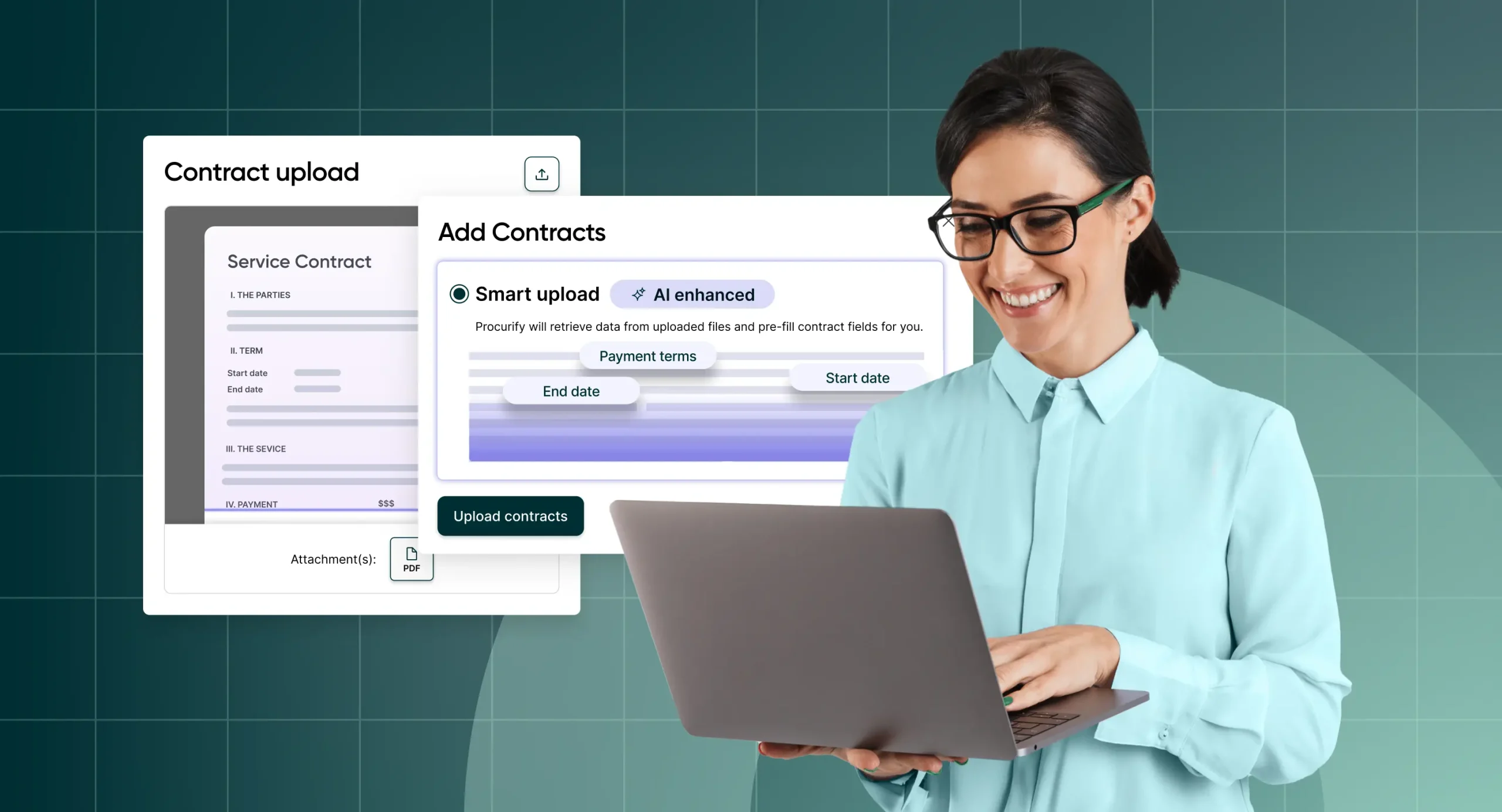
Keeping contracts in order is essential if organizations want compliance, lowered risks, and smooth operations. When organizations grow, they also grow the intricate web of contract management that spans many departments and jurisdictions. They’re so complex that tools of yesteryear, such as manual tracking methods on spreadsheets, for instance, just aren’t remotely capable of keeping up.
The leading platforms today do more than just store and retrieve information. The best contract management tool integrates well with other systems and presents information in a way that is much more accessible and useful. By focusing on these core capabilities, businesses can ensure that their chosen solution meets current demands and supports future growth.
Seamless Integration with Existing Systems
A contract management platform must fit snugly into the organization’s existing digital ecosystem. This means the tool works well with the customer relationship management (CRM) systems, enterprise resource planning (ERP) systems, and document management solutions that the organization already has in place.
When these systems communicate, the flow of data is much smoother, errors are much less likely, and the need to enter information more than once is virtually eliminated. The integration should be, so seamless that the user doesn’t have to think about it.
Robust Analytics for Strategic Insights
The best contract management tools do much more than perform basic functions like searching and filtering. They track and report metrics that matter, like how much revenue is at stake, how many contracts are about to expire, and whether those contracts are in compliance. By enabling data-driven decision-making, these analytics features elevate contract management from a back-office function to a strategic asset.
Real-Time Alerts and Notifications
Failing to meet a contract deadline or renewal date can lead to penalties that exact a financial toll, breach compliance, or cost your company lost business. Fortunately, advanced contract management solutions exist to help ensure that doesn’t happen.
They serve up automated alerts for key upcoming events in the contract life cycle, like expiration dates and renewal windows, and performance milestones of all kinds. Even better, you can customize the notifications so the right stakeholders get timely reminders of what’s coming up next.
Security and Compliance Capabilities
Because contracts must be kept confidential and secure, the best tools for them provide strong protection. This means role-based access control, encryption in transit and at rest, and compliance with the relevant regulations.
Beyond these basics, tools that offer a good audit trail and version control provide even more security and peace of mind. They make it easy to verify the document’s integrity and track any changes to it.
The Best Contract Management Tools Provide These and Many More Benefits
Choosing the optimal contract management solution means finding the right balance between usability, scalability, and advanced functionality. Seamless integration guarantees smooth data transfer between you and your many business systems, and contract analytics make sure that all your contracts are working to deliver maximum value to your organization.
Alerts are also a tremendous help in avoiding human errors that could lead to big costs down the road. And, of course, security is Job One, in terms of both information and compliance.
