

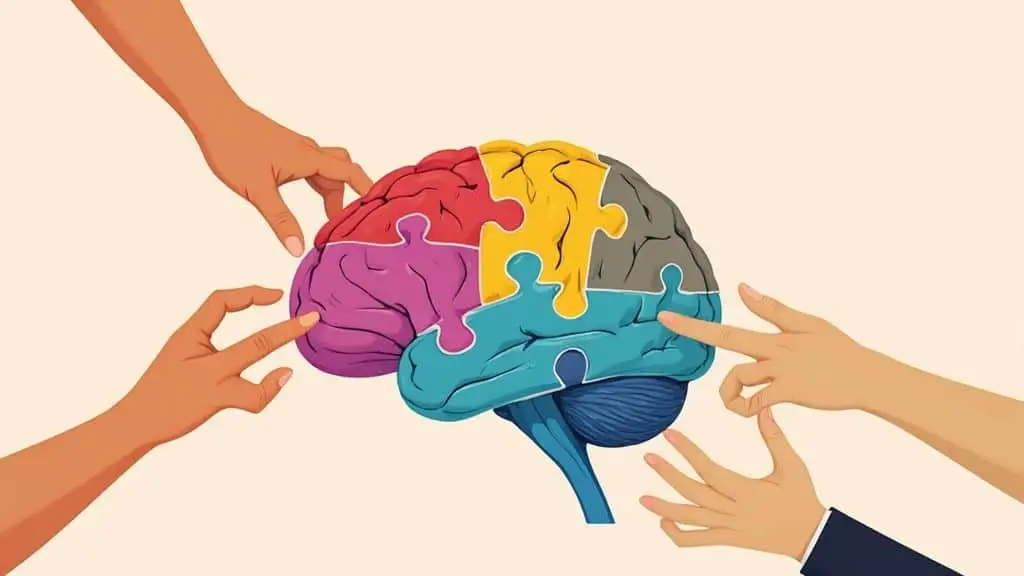
Conversations about health often focus on the heart, weight, or blood pressure. The brain, surprisingly, does not always get the same everyday attention, even though it shapes how we think, work, and connect with other people. When something feels off, memory lapses, mood swings, or lingering stress, it can affect every part of life in ways that are hard to explain.
That is where modern brain care steps in. Clinics, specialists, and community programs are working together to treat cognitive, emotional, and neurological concerns with a more complete approach. Today, brain health services in Atlanta reflect this shift, combining medical expertise with counseling, lifestyle support, and preventative care so people are not just surviving, but truly functioning at their best.
Why Brain Health Has Become a Priority for So Many People
Not long ago, most people sought help only when symptoms became severe. A major injury, a clear diagnosis, or a crisis would push someone to call a specialist. Now, there is a growing understanding that brain health exists on a spectrum, just like physical fitness.
People are asking different questions. They want to know how to stay sharp at work, how to manage anxiety, or how to help aging parents maintain independence. This proactive mindset has created demand for services that focus on early support rather than late intervention.
At the same time, daily life has become more mentally demanding. Constant notifications, long work hours, and social pressures can quietly wear people down. Brain health services respond to these stressors with tools that are practical and realistic, not just clinical.
Shifting From Crisis Care to Preventative Support
Prevention is now a central theme in brain care. Instead of waiting for memory loss or burnout to become overwhelming, many providers encourage regular check ins and screenings. These early steps help spot patterns that might otherwise go unnoticed.
This approach feels less intimidating for patients. A routine evaluation or wellness plan sounds far more approachable than a hospital visit. Over time, these small actions can prevent larger problems and reduce the need for intensive treatment.
Understanding the Mind Body Connection
Another reason brain health has gained attention is the growing awareness that the mind and body are closely linked. Poor sleep, chronic pain, or nutritional gaps can affect concentration and mood. Likewise, anxiety or depression can show up as physical fatigue or headaches.
Modern services recognize this connection. Instead of treating symptoms in isolation, providers look at the whole person. This broader perspective often leads to more effective, lasting solutions.
What Brain Health Services Actually Include
Many people assume brain care means only neurology or psychiatric treatment. In reality, the field is much wider and more collaborative. Services range from cognitive testing and therapy to lifestyle coaching and rehabilitation.
This variety allows individuals to find support that fits their needs. Someone recovering from a concussion may need different care than a young professional struggling with stress. The best programs are flexible enough to handle both situations without making anyone feel out of place.
A typical center might bring together neurologists, psychologists, therapists, and wellness specialists under one roof. Working as a team helps ensure that no piece of the puzzle gets overlooked.
Diagnostic Evaluations and Testing
A strong starting point is accurate information. Diagnostic assessments measure memory, attention, language skills, and other cognitive functions. These tests create a baseline that helps providers understand what is normal for each person.
For patients, this clarity can be a relief. Instead of guessing why something feels wrong, they receive concrete feedback. That information guides the next steps, whether it is therapy, medication, or simple lifestyle adjustments.
Therapy and Counseling Options
Counseling remains one of the most accessible and effective tools for brain health. Talk therapy helps people process stress, trauma, or long standing habits that affect daily life. It provides a safe space to slow down and reflect.
Different approaches suit different personalities. Some people prefer structured methods like cognitive behavioral therapy, while others benefit from more open conversations. Good providers tailor their style to the individual rather than using a one size fits all method.
Who Seeks Brain Health Support Today
Brain health services are no longer limited to a specific age group or diagnosis. The people walking through the door represent nearly every stage of life. From teenagers to retirees, everyone faces mental and cognitive challenges at some point.
This diversity has changed how centers design their programs. They must be welcoming, adaptable, and culturally aware. A college student dealing with anxiety should feel just as comfortable as an older adult seeking memory care.
Families are also more involved than before. Loved ones often attend sessions, learn coping strategies, or help track progress. That shared responsibility makes recovery and growth more sustainable.
Students and Young Professionals
Younger adults often seek help for focus issues, stress, or emotional burnout. Academic pressure and career expectations can pile up quickly. Without support, small struggles can snowball into bigger problems.
Brain health services offer tools for time management, emotional regulation, and resilience. These skills help people perform better and feel better at the same time. Many clients say they wish they had learned these strategies earlier in life.
Adults and Aging Populations
As people age, concerns often shift toward memory, attention, and overall cognitive sharpness. Forgetting names or misplacing items can be normal, but it can also cause worry. Having a professional evaluation provides reassurance or a clear plan.
For older adults, early support is especially valuable. Simple exercises, medication adjustments, or lifestyle changes can make a noticeable difference. Staying mentally active often means staying independent longer.
Technology’s Growing Role in Brain Care
Technology has changed nearly every part of healthcare, and brain services are no exception. Digital tools now support diagnosis, monitoring, and treatment in ways that were not possible before. This makes care more precise and accessible.
Telehealth has been one of the biggest shifts. Instead of traveling across town for every appointment, many patients can connect from home. This convenience removes barriers like traffic, mobility issues, or tight schedules.
Technology also helps providers collect better data. Wearables and apps can track sleep, activity, and mood patterns over time. These insights offer a fuller picture of what is happening between visits.
Telehealth and Remote Support
Virtual sessions have become surprisingly personal. With video calls, therapists and doctors can still build strong relationships with patients. For some people, talking from a familiar environment even feels more comfortable.
Remote care also expands reach. Individuals who might not have access to specialized clinics nearby can still receive expert guidance. This helps close gaps in care and makes support more equitable.
Cognitive Training and Digital Tools
Interactive programs and brain training exercises are another growing area. These tools challenge memory, attention, and problem solving skills in structured ways. They are often used alongside traditional therapy rather than replacing it.
While no app is a magic solution, these exercises can reinforce progress. They give patients something practical to work on between sessions. That sense of active participation often boosts motivation.
Choosing the Right Provider for Your Needs
With so many options available, finding the right fit can feel overwhelming. Not every clinic will match every person’s goals or personality. Taking time to research and ask questions makes a big difference.
Start by considering what you want help with. Are you looking for therapy, neurological testing, or general wellness support? Knowing your priorities helps narrow down the choices.
It also helps to pay attention to how a provider communicates. Clear explanations, patience, and respect go a long way. Feeling heard is just as important as receiving expert advice.
Questions Worth Asking
When contacting a center, ask about their team and specialties. Understanding who you will work with builds confidence. You can also ask how they measure progress and adjust treatment plans.
Practical details matter too. Scheduling flexibility, insurance coverage, and follow up support all affect your experience. A great program looks good on paper and works smoothly in real life.
Trusting Your Instincts
After gathering information, trust your instincts. If something feels rushed or impersonal, keep looking. Brain health is deeply personal, and you deserve a setting where you feel comfortable.
Many people describe a sense of relief when they find the right provider. It feels less like entering a clinic and more like gaining a partner. That relationship often becomes the foundation for real change.
Looking Ahead, Building a Culture That Values Brain Health
As awareness grows, brain health is slowly becoming part of everyday conversation. People talk more openly about therapy, stress, and cognitive wellness. This cultural shift reduces stigma and encourages earlier support.
Communities benefit when individuals are mentally and emotionally well. Workplaces see better productivity, families communicate more effectively, and schools notice improved focus. Investing in brain care has ripple effects far beyond the individual.
Services will likely continue to evolve. New research, better technology, and more integrated care models promise even stronger outcomes. What remains constant is the goal, helping people think clearly, feel balanced, and live fully.
In the end, brain health is not a luxury or an afterthought. It is central to how we experience life. With thoughtful care and accessible services, more people can protect and strengthen the part of themselves that guides everything else.
