

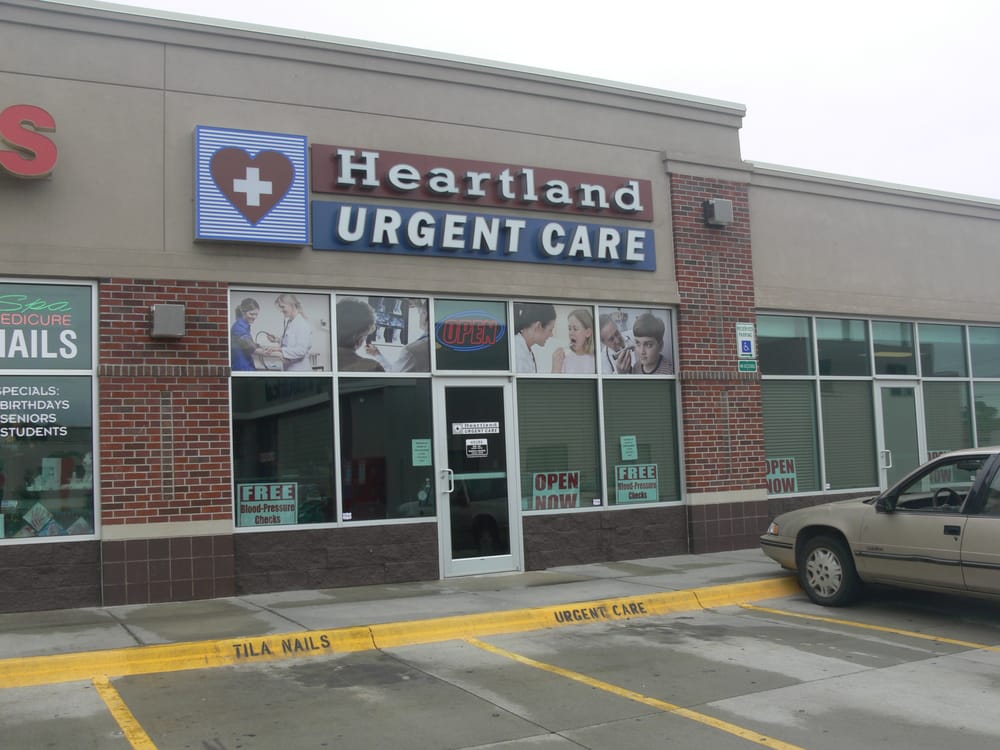
When a sudden illness or minor injury happens, most people want care that is fast, reliable, and easy to access. A child wakes up with a fever. A worker twists an ankle. A cough gets worse over the weekend. A cut needs attention, but it does not seem serious enough for the emergency room.
In these moments, urgent care can be a practical option.
For patients searching for the best urgent care center in Lincoln, NE, the goal is usually simple: find a place that offers timely medical attention, professional care, clear communication, and a smooth patient experience. Urgent care centers help bridge the gap between primary care offices and hospital emergency rooms, giving patients a place to go when they need same-day care for non-life-threatening concerns.
Choosing the right urgent care center can make a stressful situation easier. It helps patients get answers sooner, avoid unnecessary emergency room visits, and receive treatment in a setting designed for convenience.
Understanding the Role of Urgent Care
Urgent care centers are designed for medical problems that need prompt attention but are not severe enough for the emergency room. They are especially useful when a primary care provider is unavailable, fully booked, or closed after hours.
These centers often treat walk-in patients and may offer extended evening or weekend hours. This makes them helpful for families, students, workers, and anyone who needs care outside a traditional appointment schedule.
Urgent Care Is Not the Same as Emergency Care
One of the most important things to understand is the difference between urgent care and emergency care. Urgent care is appropriate for conditions that are uncomfortable, concerning, or time-sensitive but not immediately life-threatening.
Examples may include minor sprains, sore throats, ear infections, mild asthma symptoms, minor burns, small cuts, rashes, urinary tract infections, flu symptoms, and low-grade fevers.
Emergency rooms are meant for serious or life-threatening situations. Chest pain, trouble breathing, stroke symptoms, severe head injuries, major trauma, heavy bleeding, seizures, and sudden confusion should be treated as emergencies.
Knowing the difference helps patients choose the right level of care.
Why Urgent Care Has Become So Popular
Many patients use urgent care because it is convenient. Appointments may not be required, wait times may be shorter than emergency rooms, and locations are often easier to access.
Urgent care can also reduce pressure on emergency departments by treating non-emergency problems in a more appropriate setting.
For people with busy schedules, urgent care offers a practical way to receive medical attention without waiting days for an appointment.
Common Conditions Treated at Urgent Care Centers
Urgent care centers handle many everyday medical concerns. Services can vary by location, but most centers treat a wide range of illnesses and minor injuries.
Cold, Flu, and Respiratory Symptoms
Coughs, congestion, sore throats, fever, sinus pressure, and flu-like symptoms are common reasons people visit urgent care. Providers can evaluate symptoms, perform testing when appropriate, and recommend treatment.
This can be especially helpful during cold and flu season when primary care appointments may fill quickly.
Minor Injuries
Urgent care centers often treat sprains, strains, minor fractures, minor burns, cuts, bruises, and workplace injuries. Some centers offer X-rays, splinting, wound care, and basic injury evaluation.
For a twisted ankle or minor sports injury, urgent care may be a faster and more affordable option than the emergency room.
Infections
Many infections can be evaluated at urgent care. These may include ear infections, sinus infections, urinary tract infections, skin infections, pink eye, and strep throat.
Early treatment can help prevent symptoms from worsening and help patients return to normal routines sooner.
Allergic Reactions and Skin Concerns
Rashes, insect bites, mild allergic reactions, hives, and skin irritation can often be treated at urgent care. Providers can assess whether symptoms are mild or require a higher level of care.
Severe allergic reactions with swelling of the throat, trouble breathing, or dizziness should always be treated as emergencies.
Digestive Issues
Nausea, vomiting, diarrhea, stomach discomfort, and dehydration concerns may also bring patients to urgent care. Providers can assess symptoms and help determine whether additional testing or emergency care is needed.
What Makes an Urgent Care Center Stand Out?
Not all urgent care centers provide the same experience. When patients search for the best urgent care center in Lincoln, NE, they are usually looking for more than fast service. Quality, trust, communication, and convenience all matter.
Convenient Location and Hours
A good urgent care center should be easy to reach when care is needed. Location matters, especially when someone is sick, injured, or caring for a child.
Extended hours can also make a big difference. Evening and weekend availability helps patients get care when primary care offices are closed.
For many families, convenient access is one of the biggest reasons to choose urgent care.
Shorter Wait Times
Wait times are never guaranteed, but efficient urgent care centers usually have systems in place to move patients through the visit smoothly.
Online check-in, clear intake forms, organized triage, and well-trained staff can all improve the experience.
Patients want to feel that their time is respected, especially when they are already uncomfortable or worried.
Qualified Medical Providers
The quality of care depends heavily on the medical team. Urgent care centers may be staffed by physicians, nurse practitioners, physician assistants, nurses, and medical assistants.
Patients should feel confident that providers are trained to evaluate common urgent concerns, explain treatment options, and identify when a condition requires emergency care or specialist follow-up.
Clear Communication
Medical visits can feel stressful when symptoms are confusing or uncomfortable. Clear communication helps patients understand what is happening and what to do next.
A strong urgent care provider explains the likely diagnosis, treatment plan, medication instructions, warning signs, and follow-up steps in plain language.
This helps patients leave with more confidence and less uncertainty.
Services That Add Value for Patients
Some urgent care centers offer additional services that make care more complete and convenient.
On-Site Lab Testing
On-site testing can help providers make faster decisions. Common tests may include rapid strep tests, flu tests, COVID tests, urine tests, pregnancy tests, blood sugar checks, and other basic lab work.
When testing is available during the visit, patients can often receive answers sooner.
X-Ray Services
X-rays are useful for evaluating possible fractures, joint injuries, chest concerns, or certain other conditions. Not every urgent care center has imaging on-site, so it is helpful to check ahead if an injury may require X-rays.
Having X-ray access can save patients from being referred elsewhere for basic imaging.
Occupational Health Services
Some urgent care centers support local employers with occupational health services. These may include work injury care, physicals, drug testing, vaccinations, and return-to-work evaluations.
For businesses, this can help employees get prompt care and return safely when appropriate.
School and Sports Physicals
Families may also use urgent care for school physicals, sports physicals, camp forms, and other routine health requirements.
This can be helpful when deadlines are approaching and primary care appointments are unavailable.
Vaccinations and Preventive Services
Some urgent care centers offer vaccines, basic screenings, and preventive services. Availability varies, but these services can add convenience for patients who need quick access.
How to Know When Urgent Care Is the Right Choice
It can sometimes be hard to decide where to go for medical care. A helpful rule is to consider the severity of the symptoms.
Choose Urgent Care for Non-Life-Threatening Problems
Urgent care is often appropriate when symptoms need prompt attention but are not severe enough for emergency care.
This may include a painful sore throat, minor injury, mild fever, ear pain, suspected UTI, rash, minor cut, or ongoing cough.
Urgent care can also be useful when symptoms are not improving and a patient wants medical advice before things get worse.
Choose the Emergency Room for Serious Symptoms
The emergency room is the right choice for severe or life-threatening symptoms. These include chest pain, difficulty breathing, severe abdominal pain, stroke symptoms, major injuries, uncontrolled bleeding, severe allergic reactions, or loss of consciousness.
When in doubt about a serious symptom, emergency care is the safer choice.
Follow Up With Primary Care When Needed
Urgent care is helpful for immediate concerns, but it does not replace ongoing primary care. Patients with chronic conditions, recurring symptoms, medication management needs, or complex health histories should continue seeing their regular provider.
A good urgent care center may recommend follow-up care when needed.
Preparing for an Urgent Care Visit
A little preparation can make the visit easier and more efficient.
Bring Important Information
Patients should bring identification, insurance information, a list of medications, allergy details, and any relevant medical history.
For children, it may help to bring vaccination records or details about recent illnesses.
Share Symptoms Clearly
It helps to explain when symptoms started, what has changed, what makes them better or worse, and whether there have been related symptoms.
For example, instead of only saying “I have a cough,” it is helpful to mention how long it has been happening, whether there is fever, shortness of breath, chest pain, or recent exposure to illness.
Ask Questions Before Leaving
Patients should feel comfortable asking questions about diagnosis, medication, side effects, follow-up care, and warning signs.
Before leaving, it is helpful to understand what to expect over the next few days and when to seek additional care.
Urgent Care for Families in Lincoln
Families often need medical care at unexpected times. Children may develop fevers at night, get injured during sports, or complain of ear pain over the weekend.
For parents, urgent care can be a valuable resource.
Pediatric-Friendly Care
A good urgent care center should be comfortable treating children and communicating with parents. Staff should understand common childhood concerns and know when a child needs a higher level of care.
Parents appreciate providers who are patient, clear, and gentle with young patients.
Sports and Activity Injuries
Lincoln families with active children may need care for sprains, strains, falls, and minor injuries. Urgent care can help evaluate these injuries and recommend next steps.
If X-rays are available, this can be especially convenient.
Seasonal Illnesses
Cold and flu season can be hard on families. When multiple household members are sick or symptoms appear suddenly, urgent care can provide testing, guidance, and treatment when appropriate.
Urgent Care for Students and Working Adults
Lincoln is home to students, professionals, service workers, and busy families who may not have time to wait several days for an appointment.
Care That Fits Busy Schedules
Extended hours and walk-in access make urgent care useful for people balancing work, school, and family obligations.
A student with a sinus infection or a worker with a minor injury may need fast care that fits into a busy day.
Support for Minor Workplace Injuries
Workers may need medical attention for cuts, strains, burns, or other minor injuries. Urgent care can help provide evaluation and documentation when needed.
Employers may also rely on urgent care centers for occupational health support.
Choosing the Best Urgent Care Center in Lincoln, NE
Finding the right urgent care center involves more than choosing the nearest location. Patients should consider service quality, convenience, staff professionalism, and overall experience.
Check Available Services
Before visiting, it helps to check whether the center offers the services you may need. If you suspect a fracture, ask whether X-rays are available. If you need testing, check whether on-site lab services are offered.
This can save time and prevent extra trips.
Review Hours and Check-In Options
Hours can vary by location. Some centers offer online check-in or estimated wait times, which can make the visit smoother.
Checking ahead is especially helpful during evenings, weekends, holidays, or busy illness seasons.
Look at Patient Reviews Thoughtfully
Patient reviews can provide insight into wait times, staff friendliness, communication, billing, and care quality. It is best to look for patterns rather than rely on one review.
Consistent comments about kindness, efficiency, cleanliness, and clear explanations are good signs.
Consider Insurance and Payment Options
Before visiting, patients may want to confirm whether the center accepts their insurance. For those paying out of pocket, clear pricing information can help avoid surprises.
A good urgent care center should provide billing information in a straightforward way.
Final Thoughts on Finding Urgent Care in Lincoln
When illness or injury happens unexpectedly, having access to reliable care matters. Urgent care centers provide a practical option for non-life-threatening medical concerns that need prompt attention.
For anyone searching for the best urgent care center in Lincoln, NE, the most important qualities include convenient access, qualified providers, clear communication, useful services, and a patient-centered experience. The right center can help patients receive timely care without the stress of unnecessary emergency room visits.
Urgent care is not meant to replace a primary doctor or emergency department, but it plays an important role in everyday healthcare. For families, students, workers, and busy adults in Lincoln, it can offer reassurance when health concerns cannot wait.
