

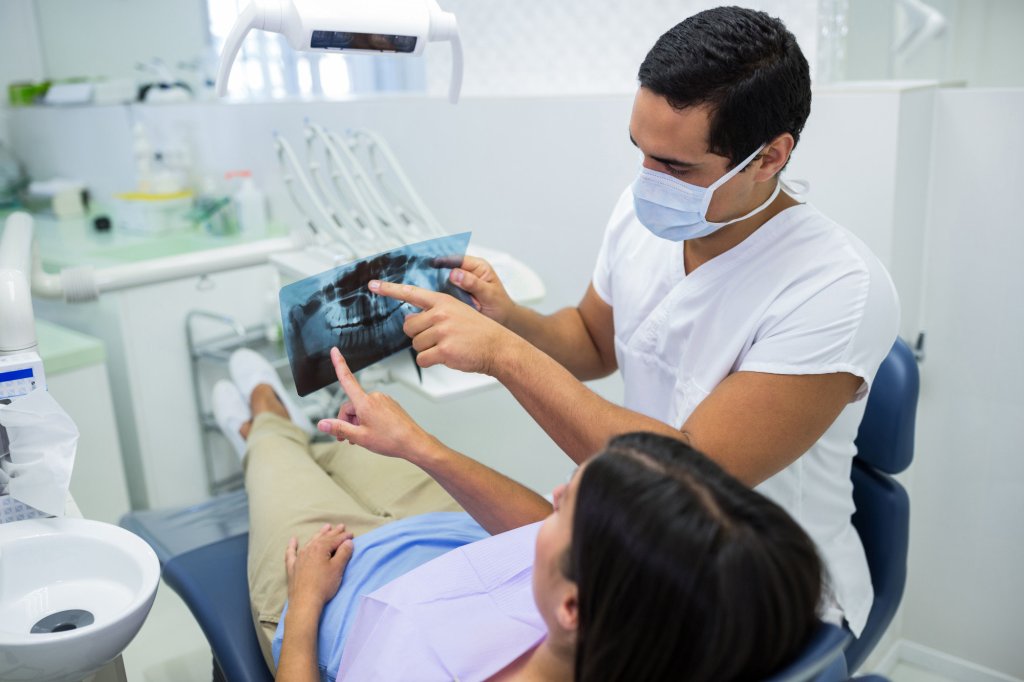
A perfectly straight smile in the mirror feels like proof that everything’s fine, and for a lot of people, it genuinely is. But plenty of patients who book a consultation for invisalign in Singapore aren’t chasing a cosmetic upgrade at all. They’re dealing with jaw discomfort, uneven wear, or trouble chewing that has nothing to do with how their front teeth look and everything to do with what’s happening behind the smile.
That disconnect confuses a lot of people at first. If the teeth look fine, why would a dentist suggest treatment? The answer comes down to the difference between how a smile appears from the front and how the entire bite actually functions, two things that don’t always line up the way most people assume.
Straight Front Teeth Don’t Tell the Whole Story
What “Straight” Actually Means
When people say their teeth look straight, they’re almost always describing the front six to eight teeth visible in a smile. That’s a narrow slice of what’s actually happening in the mouth. The back teeth, the ones doing most of the chewing work, can be rotated, tilted, or misaligned without ever showing up in a photo or a mirror check.
Bite vs Appearance
Your bite, or occlusion, refers to how your upper and lower teeth meet when your mouth closes. A bite can be misaligned in ways that are completely invisible from a frontal view while still causing real, ongoing problems underneath the surface. Dentists sometimes describe this as a smile that looks aligned but doesn’t actually fit together correctly.
Hidden Issues That Straight-Looking Teeth Can Mask
Overbites, Underbites, and Crossbites
These are all forms of malocclusion, meaning the upper and lower dental arches don’t come together properly. An overbite, underbite, or crossbite can exist even when the front teeth line up neatly, and each puts uneven pressure on specific teeth every time you bite down.
Crowded or Rotated Back Teeth
Front teeth can look perfectly even while molars and premolars further back sit crowded or twisted. Since these teeth are harder to see and harder to clean properly, this kind of hidden crowding also raises the risk of decay in spots a toothbrush struggles to reach.
A Narrow Palate or Airway Concerns
A palate that’s narrower than it should be can affect more than tooth position. In some cases, it contributes to how the tongue and jaw sit during sleep, which has been linked to breathing difficulties for a subset of patients.
Signs Worth Paying Attention To
A handful of physical signals tend to show up before anyone connects them back to bite alignment.
- Jaw pain, clicking, or soreness, particularly first thing in the morning
- Headaches that center around the temples without an obvious cause
- Noticeably uneven wear on certain teeth compared to others
- Difficulty chewing comfortably on one side of the mouth
- Frequent accidental biting of the cheek or tongue
Two or more of these showing up together is generally a strong enough signal to book an evaluation rather than waiting to see if it resolves on its own.
Why Ignoring a Hidden Bite Issue Costs More Later
Physical Wear and Tear
A misaligned bite puts uneven stress on specific teeth every time you eat, talk, or even rest your jaw. Over years, that uneven pressure contributes to premature wear, chips, and a higher risk of needing crowns or other restorative work down the line.
Jaw Strain and Grinding
Bite misalignment is a common contributor to teeth grinding and clenching, conditions that quietly damage enamel over time and often show up as jaw fatigue or soreness that people initially write off as stress-related tension.
What Straight Teeth vs a Healthy Bite Actually Compares
It helps to separate what looks fine from what functions fine, since they’re not always the same thing.
- Straight front teeth mean the visible smile line looks even and photo-ready
- A healthy bite means the upper and lower arches meet correctly with no excess pressure on any single tooth
- Straight front teeth can still coexist with crowded, rotated back molars
- A healthy bite reduces the risk of jaw strain, uneven wear, and chronic headaches
- Only a proper orthodontic exam, not a mirror check, can confirm which one you actually have
The Mental Side of an “Invisible” Problem
There’s a specific kind of frustration that comes with having a problem no one can see. Patients dealing with jaw pain or chronic headaches tied to bite issues often go years without a clear explanation, sometimes bouncing between general checkups that don’t catch the root cause. That uncertainty wears on people, especially when the discomfort is real but nothing in the mirror explains it. Getting an actual diagnosis, even if it means starting Invisalign for a smile that already looks fine, tends to bring genuine relief simply from finally understanding what’s been going on.
Clear aligners have become a popular route for correcting these hidden issues precisely because they work discreetly, without the visible hardware of traditional braces, while still addressing the underlying bite mechanics. Clinics that take the time to do a full orthodontic assessment rather than a quick visual check, an approach reflected at practices like Nuffield Dental, are better positioned to catch these issues before they progress into something more painful or expensive to fix.
Looking Past the Mirror
A straight smile is a nice thing to have, but it’s not the same as a healthy, well-functioning bite, and the two can exist independently of each other more often than people realize. If jaw discomfort, headaches, or uneven wear sound familiar, it’s worth getting an actual evaluation rather than assuming a straight-looking smile rules out orthodontic issues entirely. Sometimes the problem worth treating was never about how your teeth look at all.
