

You might be feeling a sharp twinge when you bite down, or a dull ache that will not quite go away, and you are stuck wondering if it is “just a cavity” or something more serious like a crack in your tooth. Maybe it started as occasional sensitivity to cold, and now you are avoiding one side of your mouth altogether. That mix of worry and not knowing what you are dealing with can be exhausting, and it may be time to consult a cosmetic dentist in Streamwood, Illinois.
So where does that leave you. In simple terms, a cavity is decay that slowly eats into your tooth, while a cracked tooth is a structural break. Both can cause pain, both can lead to bigger problems if you ignore them, and both are treatable when caught early. Dentists look at the type of pain, what triggers it, and what they see on the tooth to tell them apart. Understanding those differences can help you decide how urgent your situation is and what to expect when you finally sit in the dental chair.
Why does my tooth hurt, and is it a crack or a cavity?
To understand the tug of worry you feel, it helps to know what is actually happening inside your mouth. A cavity starts when bacteria feed on sugars and produce acids. Over time, those acids dissolve the hard outer enamel. You can read more about how decay develops in this overview of tooth decay causes and stages. At first, you might not feel anything. As the decay gets deeper, it reaches the sensitive inner layers, and that is when you notice pain.
A cracked tooth is different. Instead of a soft spot that grows, you have a fracture line. It might be tiny and hard to see, or it might be obvious. The crack can open slightly when you chew, which irritates the nerve inside. That movement is why pain from a crack is often sharp and sudden, especially when you bite or release pressure.
Because of this, you might notice some patterns. Cavity pain often starts as sensitivity to sweets, hot drinks, or cold air. It can linger for a bit after the trigger is gone. Pain from a crack is more likely to be a quick, stabbing shock when you bite on something in just the wrong way. Both can make your tooth sensitive, both can make you worry, and both deserve attention.
How do dentists actually tell cracked tooth pain and cavity pain apart?
When you walk into a dental office with tooth pain, the dentist is not guessing. They are running through a mental checklist. Where does it hurt. When does it hurt. What makes it better or worse. These details guide everything that follows.
With a cavity, the dentist often sees a visible brown or chalky spot, a hole, or an area that feels soft when they gently probe it. The pain pattern tends to match too. Maybe sweets set it off. Maybe warm tea brings a dull ache that hangs around. These are classic signs of decay.
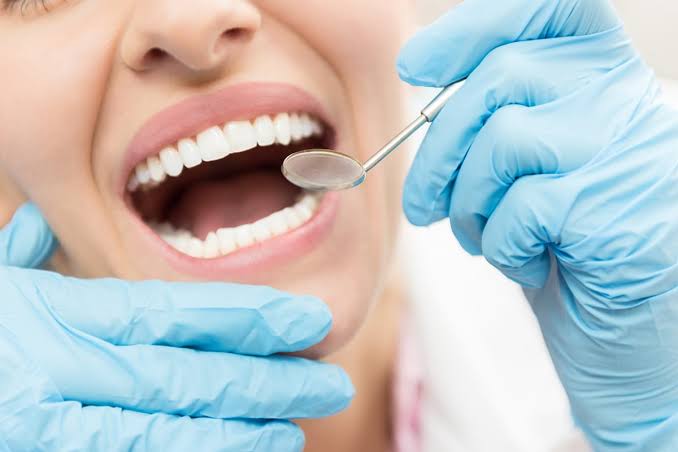
With a cracked tooth, the picture is more subtle. You might point to a general area, but not a specific tooth. The pain might come only when you chew something harder, like nuts or dense bread. Sometimes the tooth looks normal at first glance. The dentist might use a bright light, a special dye, or ask you to bite down on a small tool or cotton roll, tooth by tooth, to find the one that sends that familiar jolt.
There is also the emotional piece. You may worry that a cracked tooth means you will lose it, or that the treatment will be more expensive than fixing a cavity. That fear is understandable. The truth is that many cracks are treatable if found early, and even deeper problems have options. The key is not waiting until the pain is constant or unbearable.
So how does this guide what happens next. A shallow cavity might be fixed with a simple filling. A deeper one might need more extensive work. A small crack on the surface might be polished or bonded. A deeper crack that reaches the nerve might need a crown or root canal to stabilize the tooth. Dentists are not just looking for what hurts today. They are planning how to protect that tooth for the long term.
Comparing cracked tooth symptoms and cavity pain before your appointment
You cannot diagnose yourself at home, and you should not try to. Still, recognizing patterns can help you explain your symptoms clearly and understand why your dentist recommends one treatment over another. Here is a simple comparison of common features of cracked tooth vs. cavity pain.
| Feature | More Typical of a Cavity | More Typical of a Cracked Tooth
|
|---|---|---|
| Type of pain | Dull ache or mild to moderate throbbing | Sharp, stabbing, or electric shock type pain |
| Trigger | Sweets, hot drinks, cold foods, or cold air | Biting down or releasing pressure on a certain spot |
| Duration of pain | Often lingers for seconds to minutes after the trigger | Usually brief and stops when you stop biting |
| Visible signs | Dark spot, hole, or rough area on the tooth | May be no visible crack, or a fine line on the tooth |
| Sensitivity to temperature | Common, especially as decay gets deeper | Can happen, especially to cold, but often less specific |
| Response to biting test at the dentist | Less likely to cause a sudden “zing” when biting | Often reproduces the exact sharp pain on one cusp |
| Risk if untreated | Decay spreads, infection, larger fillings or root canal | Crack can deepen, tooth can split, may become non-restorable |
One more thing to keep in mind. Both cavities and cracks can lead to infection if bacteria reach the nerve inside the tooth. That is when you might notice swelling, a pimple on the gums, or severe pain that wakes you at night. At that point it is not just about comfort. It becomes a health issue that needs prompt care. MedlinePlus has a helpful summary of what to watch for and why you should not ignore tooth pain or swelling in their guide on when to call a dentist for tooth problems.
What can you do right now if you suspect a crack or a cavity?
Knowing the difference between cracked tooth pain and cavity pain is helpful, but it does not replace an exam. Still, there are practical steps you can take today to protect your tooth and prepare for a visit.
- Pay attention to patterns, then write them down
Notice when your tooth hurts. Is it with hot coffee, ice water, or something sweet. Is it only when you chew, and if so, on what. Does the pain linger or stop immediately. Jot down a few notes. This simple step can save time and help your dentist pinpoint whether you are dealing with decay, a crack, or both in the same tooth.
- Protect the tooth until you see a dentist
Try to chew on the opposite side if biting causes a sudden jolt. Avoid very hard foods like ice, unpopped popcorn kernels, or hard candy that can worsen a crack or stress a decayed tooth. Use over the counter pain relievers as directed if you need them, and skip extremely hot or cold drinks if they trigger pain. Temporary comfort is not a cure, but it can keep things from getting worse while you arrange care.
- Do not wait for “perfect timing” to seek professional help
Tooth pain rarely improves on its own. A cavity usually grows. A crack usually deepens. The longer you wait, the more complex and costly treatment can become. If your pain is sudden, severe, or wakes you at night, treat it like an urgent problem. If it is milder but persistent, schedule a general dental visit soon. Either way, you are not overreacting by wanting answers. You are protecting your health.
Moving forward with clarity instead of fear
Tooth pain has a way of taking over your day. It affects how you eat, how you sleep, and even how you focus at work or with your family. Understanding the difference between a cavity and a cracked tooth will not make the pain vanish, but it can replace some of the fear with clarity. You now know that the sharp jolt when you bite and the lingering ache with something sweet tell two different stories, and that dentists have specific ways to read those signals.
You do not need to decide on your own whether it is decay or a fracture. Your next step is simply to get it checked, share what you are feeling, and ask about the options to save and strengthen the tooth. A caring general and emergency dentist will focus on relief, then on long term stability, so you can get back to eating, talking, and smiling without that constant question in the back of your mind.
You have already done something important by trying to understand what is going on. The next move is to turn that knowledge into action and give your tooth the attention it has been asking for.
