

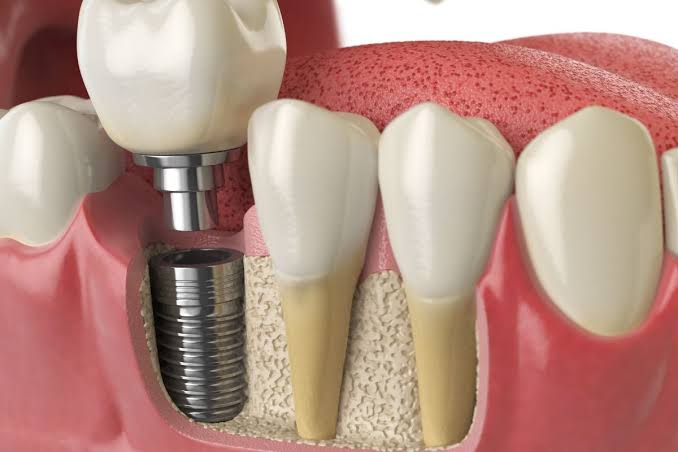
You might be feeling a mix of relief and worry right now. The implant surgery in Fresno is finally done, which is a big step, yet as the numbness fades you may be asking yourself, “What if I do something wrong and ruin it?” That fear is very common, especially when you have invested time, money, and trust in your oral surgeon and implant dentist.end
There is a clear “before” and “after” with dental implants. Before surgery, you were focused on getting through the procedure. After surgery, the focus shifts to healing, protecting your new implant, and keeping the rest of your mouth healthy. That shift can feel stressful, because the rules suddenly change. You need to think about what you eat, how you clean your mouth, and even how you sleep.
The good news is that maintaining oral health after implant surgery is not about perfection. It is about a few consistent habits that support healing and protect your gums and bone. In simple terms, you want to keep the area clean, avoid overloading the implant while it heals, control pain and swelling sensibly, and watch for warning signs early. Do that, and you give your implant the best chance to last for many years.
Why does caring for your mouth after implant surgery feel so overwhelming?
Part of the stress comes from not fully knowing what is “normal” and what is not. A little bleeding can be normal. Some swelling can be expected. Mild pain is common. Yet because this is surgery in your mouth, even small changes can feel dramatic and worrying.
Another part is the investment. Dental implants are not cheap, and the idea of something failing can stir up anxiety about money as well as health. You may think, “If this implant fails, do I have to pay for everything again?” or “Did I make a mistake choosing this treatment?” Those are heavy questions to sit with when you are also trying to recover physically.
There is also the emotional side. Missing teeth, trouble chewing, or feeling self conscious about your smile may have pushed you toward treatment in the first place. Now that you have taken a step toward fixing that, the thought of a setback can feel personal, not just medical.
So where does that leave you? It leaves you needing clear, calm guidance on what to do in the first days and weeks, and how to protect both your new implant and the rest of your mouth for the long term.
What can go wrong if oral health slips after implant surgery?
It can help to be honest about the risks, not to scare you, but to make your daily choices feel more meaningful. When people are unsure, they may either do too little, out of fear of disturbing the area, or too much, by scrubbing or poking around the implant site. Both extremes can cause problems.
Here are some “what if” scenarios that many patients face after surgery.
What if you do not clean well enough around the implant? Plaque can collect around the gum line, which can lead to inflammation and infection. Over time this can turn into peri implant disease, where the bone that holds the implant starts to break down. This is one of the main threats to long term implant success.
What if you chew hard foods too soon? Biting into crusty bread, nuts, or chewy meat before your surgeon says it is safe can overload the healing implant. In some cases this can disturb the bone as it tries to fuse to the implant, which increases the risk of movement or failure.
What if you ignore warning signs? Ongoing pain, bad taste, or swelling that gets worse instead of better can be early signs of infection. If you “wait and see” for too long, a situation that could have been treated early may become more serious.
At the same time, when you follow your surgeon’s instructions and lean on simple daily habits, dental implants have high success rates. Resources like the Veterans Health Library on dental implants and guidance from hospital specialists show that healing usually goes well when patients protect the area, manage pain wisely, and keep their mouths clean.
How do the benefits of good care compare to the risks of neglect?
You might be wondering how much difference your daily choices really make. Is it enough just to show up for checkups, or does home care truly change the outcome for your implant and your overall oral health after dental implant placement?
The comparison below can help you see how your habits influence both short term healing and long term results.
| Area | Consistent Care After Surgery | Neglected Care After Surgery |
|---|---|---|
| Healing in first 1 to 2 weeks | Swelling and discomfort usually decrease on schedule. Soft tissues close around the implant smoothly. | Prolonged swelling, more bleeding, or delayed healing of the gum tissue around the implant site. |
| Infection risk | Lower risk of infection thanks to gentle cleaning, mouth rinses, and following your surgeon’s instructions. | Higher chance of infection around the implant, with pain, bad taste, or discharge from the site. |
| Comfort when chewing | Gradual return to comfortable chewing on recommended foods, with improved function over time. | Ongoing tenderness, difficulty chewing, or the need to avoid certain foods for longer. |
| Implant stability over years | Better chance of long term success of your oral implant treatment, with stable bone and healthy gums. | Higher risk of bone loss around the implant, gum problems, and possible implant failure. |
| Overall mouth health | Healthier gums and teeth around the implant, less plaque, and fresher breath. | More plaque and tartar, higher risk of gum disease, and problems with nearby teeth. |
Specialist centers such as university oral surgery departments stress that the way you care for your mouth at home is just as important as the skill of your oral surgeon and implant dentist. You can see this reflected in advice from providers like the McGill oral and maxillofacial surgery service, which highlights cleaning, diet, and follow up visits as key parts of success.
6 practical tips for maintaining oral health after implant surgery
So, what can you actually do, starting today, to protect your healing implant and keep the rest of your mouth in good condition?
Here are six practical tips you can use right away.
- Follow your surgeon’s early day instructions exactly
The first 24 to 72 hours set the tone for healing. Use any gauze as directed to control bleeding. Avoid rinsing vigorously on day one, since that can disturb the blood clot. Stick to cool or lukewarm soft foods, and avoid hot drinks until your surgeon says they are safe.
If you have been given antibiotics or pain medicine, take them as prescribed. Do not wait until pain is severe before using approved pain relief. Hospital guidance, such as that from Guy’s and St Thomas’ dental implant aftercare information, often recommends simple measures like cold packs on the cheek in short intervals to manage swelling.
- Clean carefully, not aggressively
Good cleaning is essential for post implant oral hygiene, yet it needs to be gentle. Usually, you can brush the rest of your teeth as normal, avoiding the surgical area for the first day unless your surgeon says otherwise. From day two or three, you may be told to rinse with a saltwater solution or a special mouthwash.
Do not scrub the implant site. Instead, follow your provider’s timing for when you can start gently brushing near the area. Use a soft toothbrush and small circular motions. The goal is to keep plaque away from the gum line without irritating the healing tissues.
- Protect the implant from pressure and strain
Even if you feel “okay,” the bone around your implant needs time to bond with the metal. That process cannot be rushed. Avoid chewing on the side of your mouth where the implant is placed until your surgeon says it is safe. Stick to soft foods such as yogurt, eggs, mashed potatoes, or well cooked pasta.
If you grind your teeth at night, tell your provider. You may need a night guard later to protect both your implant and your natural teeth. Try not to press or poke the area with your tongue or fingers, even though it is tempting to “check” it.
- Watch for warning signs and act early
Some discomfort is expected. However, contact your dentist or surgeon promptly if you notice strong pain that gets worse after a few days, swelling that increases instead of decreases, continuous bleeding, or discharge with a bad taste or smell.
Changes such as a loose feeling in the implant, sudden difficulty chewing, or fever should never be ignored. Early review can often prevent small issues from turning into serious infections or implant failure.
- Keep your whole mouth healthy, not just the implant site
Your implant is part of a larger system. Gum disease or decay in nearby teeth can affect the tissues around the implant as well. Continue to brush twice daily and floss once a day, following any special tools or techniques your dentist recommends, such as interdental brushes or specific floss for implants.
Regular professional cleanings and checkups remain important. Your team may take X rays from time to time to check the bone around the implant, and they will look for early signs of gum inflammation so they can respond quickly.
- Be honest about habits like smoking and sugar intake
Smoking and uncontrolled diabetes are both linked with higher rates of implant problems. If you smoke, even reducing the number of cigarettes, especially during healing, can help your body recover better. Talk openly with your provider about support for cutting back or quitting.
Likewise, frequent sugary snacks or drinks feed the bacteria that cause gum disease. Try to keep sweet foods to mealtimes instead of constant grazing, and rinse with water after sugary items if you cannot brush right away.
Where do you go from here?
You have already taken a brave step by going through implant surgery. The next step is gentler but just as important. Your daily choices, from how you clean your mouth to how you respond to discomfort, can strongly influence how well your implant heals and how long it lasts.
You do not need to be perfect. You just need to be consistent, ask questions when you are unsure, and stay in close contact with your oral surgeon and implant dentist for follow up care. With steady attention to these six tips for maintaining oral health after implant surgery, you give yourself the best chance for a strong, comfortable bite and a confident smile for years to come.
