

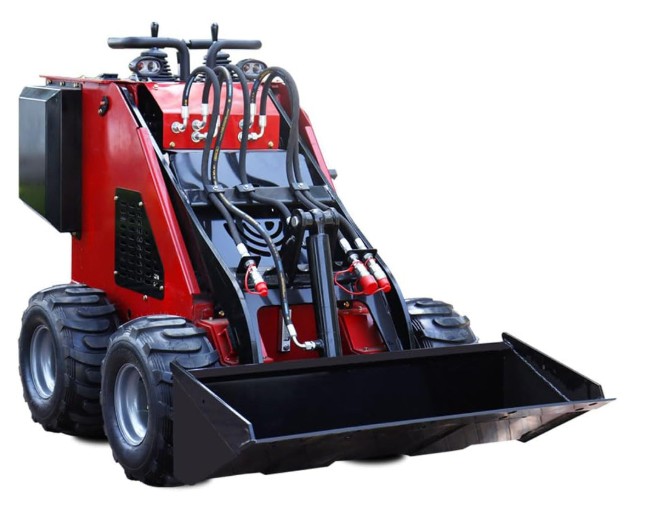
Residential renovations, urban landscaping, and facility maintenance share a common challenge: limited access that renders standard construction equipment useless. Narrow gates, established trees, underground utilities, and occupied buildings create constraints where traditional skid steers cannot maneuver. Contractors face the dilemma of either declining profitable work or resorting to manual labor that inflates costs and timelines. Mini skid steer loaders bridge this gap, delivering genuine machine productivity in spaces previously accessible only by hand tools. These compact units sacrifice some capacity compared to full-size machines but gain the ability to reach locations where competitors cannot operate equipment at all. The difference between completing a backyard pool excavation in three days versus three weeks often hinges on whether machinery can reach the work area. Understanding what these smaller machines can accomplish and where they excel helps contractors expand their service offerings without investing in fleets of specialized equipment.
Dimensional Advantages in Tight Spaces
Width specifications tell only part of the story when evaluating access capabilities. A mini skid steer loader measuring thirty-six inches wide fits through standard residential gates, but operators must also consider height for passing under tree branches or deck overhangs. Machines standing shorter than six feet clear most residential obstacles, while taller units require alternative routing or temporary removal of barriers. Overall length affects turning radius, and some compact designs achieve remarkably tight pivots despite their tracked or wheeled configurations. The ability to spin within the machine’s own footprint matters when working in courtyards, between buildings, or inside structures.
Ground pressure becomes critical when working on finished surfaces or over shallow utilities. Mini machines distribute weight across larger footprints relative to their mass, reducing pressure per square inch compared to heavier equipment on smaller footprints. This characteristic allows operation on established lawns, decorative pavers, and even indoor floors rated for moderate loads. Tracked models spread weight more evenly than wheeled versions, though wheels offer better maneuverability on hard surfaces and cause less turf damage during turns. Contractors working regularly on sensitive surfaces prioritize low ground pressure specifications alongside access dimensions.
Performance Expectations Versus Full-Size Units
Operating capacity defines how much useful work a machine accomplishes per hour. Mini skid steers typically rate between seven hundred and twelve hundred pounds, meaning they lift roughly half what standard units handle. This reduction impacts productivity on material-handling tasks, requiring more cycles to move equivalent volumes. A full-size machine might load a dump truck in twenty minutes, while a mini version needs forty. However, in confined areas where the alternative is wheelbarrows and manual labor, even reduced machine capacity represents dramatic productivity gains. MMS INDUSTRIAL engineers their compact models to maximize capacity within size constraints, optimizing hydraulics and structural strength without compromising accessibility.
Hydraulic flow limitations affect attachment performance more than operators initially expect. Standard auxiliary hydraulics on mini machines deliver eight to twelve gallons per minute, sufficient for buckets, forks, and simple grapples but inadequate for high-flow tools like brush cutters or planers. Contractors planning attachment-intensive work should verify flow specifications match their intended tools. Some manufacturers offer high-flow options that boost output to eighteen gallons per minute, bridging much of the gap with full-size machines. This upgrade expands attachment compatibility significantly, though at added cost and slight increases in fuel consumption.
Engine Power and Fuel Efficiency
Horsepower ratings between twenty and thirty-five characterize most mini skid steers, providing adequate power for typical tasks while maintaining compact engine compartments. These smaller powerplants burn less fuel than forty-five to seventy horsepower engines in standard machines, reducing operating costs on projects where maximum power proves unnecessary. Diesel engines dominate this size class due to their torque characteristics and efficiency, though some manufacturers offer gasoline options that cost less initially but consume more fuel per hour. Operators accustomed to full-size equipment notice slower travel speeds and longer cycle times, requiring adjustment to expectations and work planning.
Track Versus Wheel Configurations
Tracks provide superior traction and flotation on soft or uneven ground, distributing weight across the entire track length. This makes tracked mini skid steers preferable for grading work, operating on slopes, or working after rain when soil conditions deteriorate. The downside involves slower transport between job sites, increased maintenance around drive components, and higher purchase prices. Tracks also damage finished surfaces more readily during turns, requiring protective mats when crossing driveways or sidewalks. Rubber track technology reduces these concerns compared to steel tracks but still requires more care than wheeled machines on delicate surfaces.
Wheeled mini skid steers trade some traction for speed, maneuverability, and lower maintenance requirements. They excel on paved surfaces, indoor applications, and situations requiring frequent repositioning. Tire selection influences performance considerably, with turf tires minimizing lawn damage while industrial treads grip loose materials better. Pneumatic tires absorb impacts that would jar tracked machines, providing smoother operation on rough ground. The ability to rotate tires and replace them individually keeps maintenance costs lower than track systems, where worn components often require full replacement.
Attachment Compatibility
Universal quick-attach systems let mini skid steers use hundreds of attachment options, though operators must verify weight and hydraulic requirements. An attachment too heavy for the machine’s rated capacity creates dangerous instability, while underpowered hydraulics leave tools operating below capability. Buckets remain the most common attachment, with sizes ranging from thirty to forty-eight inches to match machine capacity and access requirements. Narrow buckets fit through tighter openings but require more passes to move material. Augers, trenchers, and breakers extend mini machine capabilities into specialized tasks, though at reduced performance compared to full-size equipment operating the same attachments.
Ideal Applications for Compact Equipment
Landscape contractors find mini skid steers indispensable for residential installations where access determines whether projects remain profitable. Moving boulders, placing pavers, grading planting beds, and spreading mulch all benefit from mechanical assistance without the footprint of standard machines. The ability to work alongside manual crews without overwhelming limited space improves coordination and reduces the need for staging areas outside work zones. Seasonal transitions between hardscaping and maintenance work favor compact equipment that adapts to changing demands through attachment swaps.
Property maintenance teams operating in urban settings rely on compact machines to address problems in alleys, parking structures, and between buildings. Snow removal, debris cleanup, and minor repairs happen year-round, requiring versatile equipment that stores in limited space and transports easily on trailers. The reduced intimidation factor of smaller machines also matters when working around occupied buildings, as residents express less concern about compact equipment than full-size construction machinery. This psychological advantage smooths project approvals and reduces complaints that complicate operations.
Interior Demolition and Renovation
Mini skid steers excel at interior demolition where doorways and hallways restrict equipment access. Breaking up concrete floors, removing tile, and clearing debris proceed faster with mechanical assistance than manual methods alone. Operators must account for dust control and ventilation, as enclosed spaces concentrate exhaust fumes from diesel engines. Some contractors specify electric-powered mini machines for indoor work, eliminating emissions while sacrificing some runtime between charges. The investment in electric models pays off through expanded project opportunities and compliance with increasingly strict indoor air quality regulations.
Operator Training and Safety Considerations
Compact dimensions create visibility challenges as operators sit closer to attachments and obstacles. Unlike full-size machines where the cab positions operators well above ground level, mini skid steers place vision at a lower angle that makes judging distances more difficult. Mirrors and cameras help compensate, though nothing replaces careful scanning and slow speeds near obstacles. New operators transitioning from larger equipment often underestimate how quickly mini machines accelerate and turn, leading to jerky movements that reduce precision and increase fatigue.
Stability characteristics differ from standard skid steers due to narrower wheelbases and lighter overall mass. Lifting loads high or extending them forward shifts the center of gravity more dramatically on compact machines, creating tipping risks that full-size units handle with less concern. Operators must understand load charts and avoid exceeding ratings even when the machine physically lifts an attachment. Side slopes require particular caution, as the narrow track width provides less lateral stability than wider machines. Many accidents occur when operators who learned on full-size equipment apply those habits to compact machines without adjusting for different dynamics.
Maintenance in High-Utilization Environments
Compact machines working in abrasive or dusty conditions require more frequent service than specifications suggest. Fine dust infiltrates seals and bearings, accelerating wear on components designed for cleaner environments. Daily cleaning prevents buildup that traps heat and restricts cooling airflow around engines and hydraulics. Operators should blow out debris using compressed air, paying particular attention to radiators, oil coolers, and air intake screens. Neglecting this basic maintenance leads to overheating that damages expensive components and causes unexpected downtime.
Economic Considerations for Small Contractors
Purchase prices for capable mini skid steers range from twenty-five to fifty thousand dollars depending on features and capacity. This positions them as accessible entry points for contractors expanding from manual operations into mechanized work. Lower fuel consumption and simpler maintenance compared to full-size machines reduce operating costs, though productivity differences mean direct hourly comparisons favor larger equipment on open sites. The economic advantage of mini machines manifests through winning projects competitors cannot access, not through outproducing standard equipment in unrestricted areas.
Trailer requirements influence total investment, as compact machines fit on lighter trailers than full-size equipment demands. A tandem-axle trailer rated for seven thousand pounds suffices for most mini skid steers, while standard machines need heavier-duty trailers that require larger tow vehicles. This transportation advantage matters for contractors operating pickup trucks rather than dedicated equipment haulers. The ability to tow with existing vehicles eliminates significant capital expenditure while improving fuel economy during transport between job sites.
Accessing Opportunity
Mini skid steer loaders open profitable work that remains out of reach for contractors limited to standard equipment or manual methods. These compact machines deliver genuine productivity in spaces where size restrictions previously forced expensive hand labor or project refusals. Understanding their capabilities and limitations helps contractors match equipment to appropriate applications rather than forcing undersized machines into roles better suited for full-size units. The sweet spot lies in residential, urban, and interior projects where access determines feasibility more than raw capacity. Contractors who recognize these opportunities and invest in properly specified compact equipment expand their service offerings while maintaining competitive pricing that manual-only operations cannot match.
